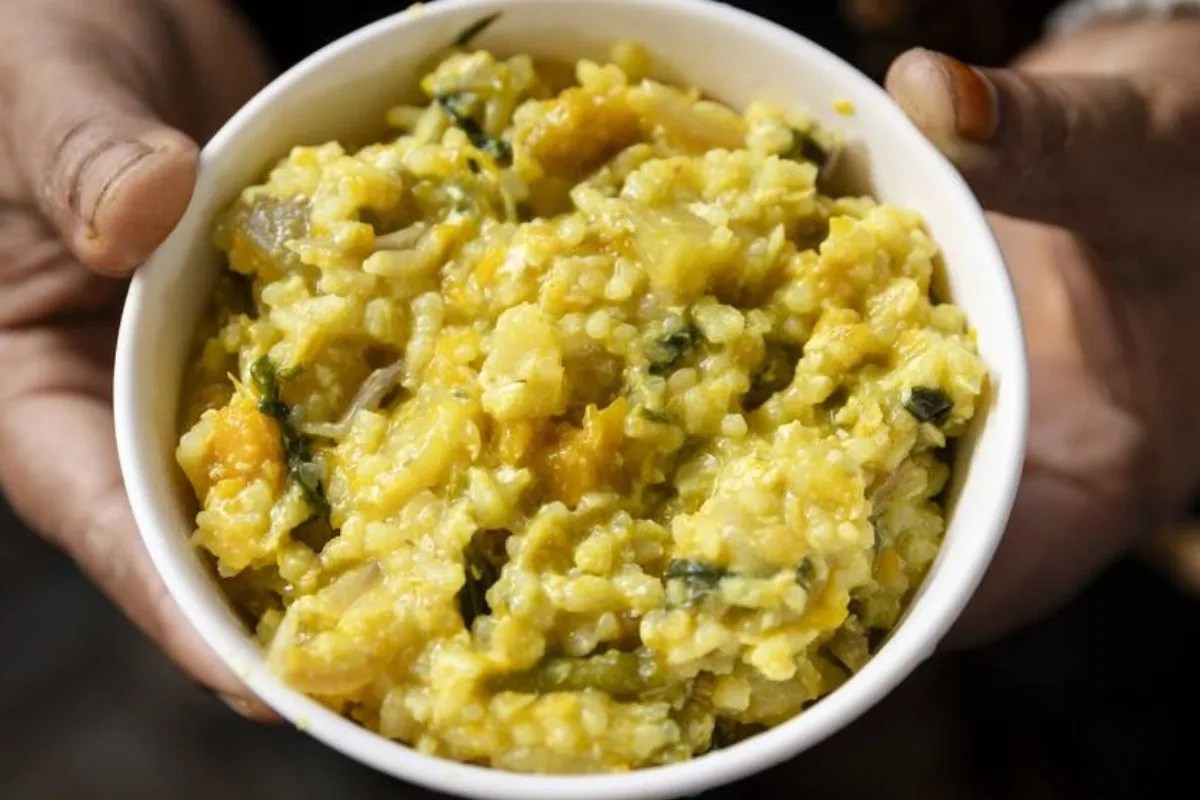
You sit down for dinner, look at your plate, and assume everything is perfectly fine. It's a normal human reflex. But the latest global data proves we're living in a state of dangerous denial.
A massive, multi-year analysis released by the World Health Organization (WHO) reveals that unsafe food causes roughly 866 million illnesses and 1.5 million deaths every year. If you break that annual figure down, it means more than 2.3 million people are getting sick from contaminated food every single day.
Let's look at India specifically. The intersection of rapid urbanization, extreme climate shifts, and a massive informal street food culture creates a perfect storm. We aren't just talking about a mild bout of stomach flu or an extra trip to the bathroom. This crisis is actively crippling public health and stalling the economy.
The Invisible Chemicals Killing Us
When people think of food poisoning, they think of bacteria. They think of rotten meat, stale street food, or expired dairy products. It's a fair assumption. Pathogens like Salmonella, E. coli, and Norovirus do drive the vast majority of infections, making up about 860 million illnesses annually.
But infections aren't what's killing the most people.
The WHO study published in The Lancet Global Health uncovered a terrifying reality. In 2021, chemical hazards accounted for a staggering 73% of all deaths linked to contaminated food. Most of these deaths were tied directly to inorganic arsenic and lead.
These toxins enter our food supply chain through industrial waste, polluted groundwater, and poorly managed agricultural runoff. Once heavy metals get into the soil and water, they infiltrate crops like rice and vegetables. You can't wash arsenic off. You can't boil lead out of your food. Over time, this chronic exposure triggers cardiovascular diseases, cognitive disabilities, and cancers.
India's Vulnerable Regions and Toxic Hotspots
Public health policy experts, including Dr. Suneela Garg, have long pointed out that food-borne illness burdens aren't distributed evenly across India. High population densities, intense monsoon seasons, and severe sanitation gaps put certain states at a much higher risk.
- High-Burden States: Uttar Pradesh, Bihar, Jharkhand, Madhya Pradesh, Odisha, and West Bengal historically face massive numbers of enteric infections and diarrhoeal diseases. Contaminated local water sources are almost always the root cause.
- The Urban Illusion: Think luxury high-rises or swanky metropolitan areas shield you? Think again. Mega-cities like Delhi, Mumbai, Kolkata, Chennai, and Bengaluru face constant battles with food adulteration, unhygienic local supply chains, and unsafe handling practices in busy commercial hubs.
The risk is highly generational too. Children under five make up just nine percent of the global population, yet they carry nearly a third of the entire foodborne disease burden. Their immune systems are still developing. When a young child eats food laced with lead or methylmercury, it doesn't just make them sick for a weekend. It permanently damages their developing brain, causing lifelong neurological setbacks.
The True Cost of Cheap Food
Unsafe food isn't just a healthcare issue. It's a massive economic sinkhole. Globally, foodborne illnesses wipe out around $310 billion in productivity and medical expenses every single year. When you adjust that for purchasing power parity and regional costs of living, the actual economic loss skyrockets closer to $647 billion.
Former Indian Medical Association president Dr. Sahajanand P Singh recently emphasized that India must stop viewing food safety as a minor regulatory checklist. It is a fundamental development issue. Every time a worker gets sidelined by a foodborne infection, their household loses income, hospital bills pile up, and national economic output drops.
Climate change is accelerating this mess. Rising global temperatures mean bacteria multiply faster in storage. Floods wash industrial pollutants into agricultural fields. On top of that, growing antimicrobial resistance means that when people do get sick from bacterial food contamination, standard antibiotics don't work like they used to.
Fixing Your Kitchen and Your Habits
We can't fix the country's groundwater overnight, but waiting around for macro-level supply chain reforms is a bad strategy. You have to manage the risks inside your own home immediately.
First, ditch the habit of using the same cutting board for raw meats and vegetables. Cross-contamination in home kitchens is one of the leading causes of acute bacterial food poisoning. Wash your boards with hot, soapy water immediately after use.
Second, re-evaluate where you source your staples. If you live in an area known for high groundwater contamination, opt for brands or suppliers that actively test their grain products for heavy metal content.
Third, stop letting cooked food sit out at room temperature for hours. Bacteria thrive between 5°C and 60°C. If you aren't eating it within two hours of cooking, put it in the fridge.
Government initiatives like the Food Safety and Standards Authority of India’s (FSSAI) "Eat Right India" campaign are trying to clean up public spaces, certifying railway stations, schools, and street food hubs. But individual vigilance matters just as much. Pay attention to hygiene ratings, look closely at where food vendors source their water, and stop treating food safety like an afterthought. Your health depends entirely on it.