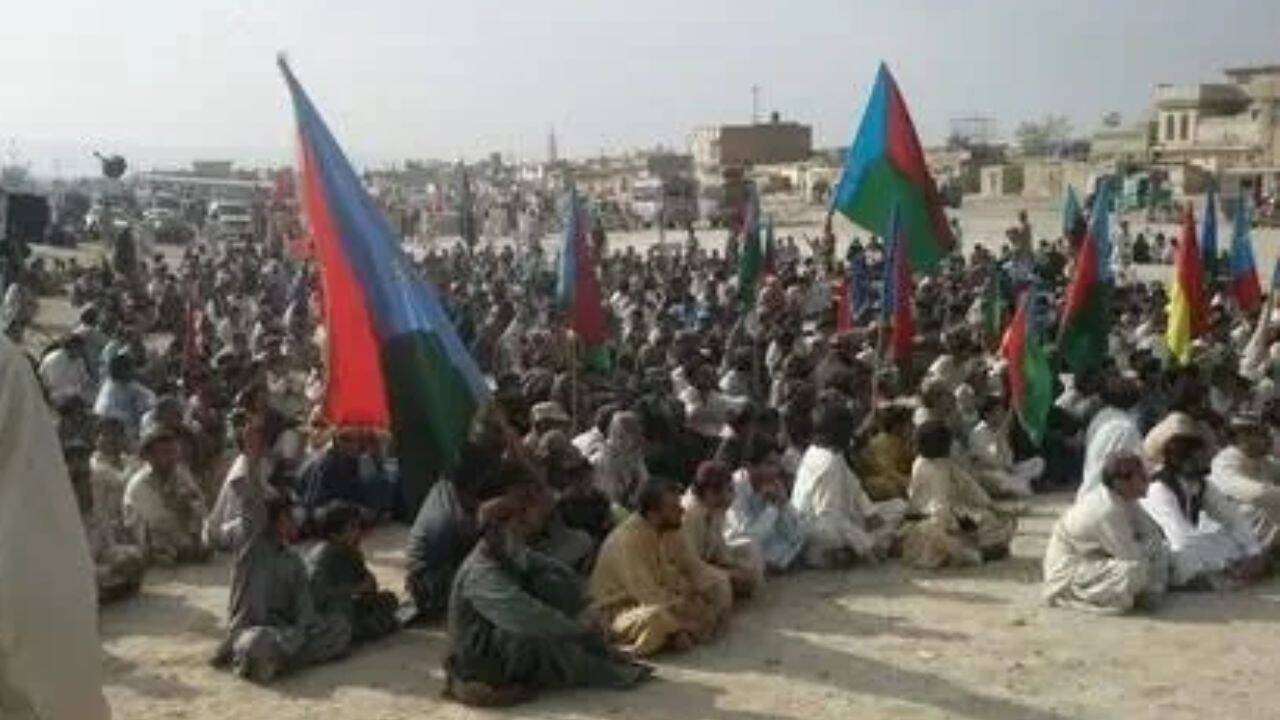
Walk down Jinnah Road or Liaquat Bazaar in Quetta during a province-wide shutter-down strike, and the silence hits you first. Heavy steel shutters stay padlocked from dawn. Public transport vanishes from the main arteries, leaving stray dogs and patrol vehicles in control of streets that normally choke with rickshaws and pickup trucks.
Most outside observers treat a Balochistan shutdown like just another political headline from Pakistan's largest, least-populated province. They're missing the point entirely. When markets shut across Quetta because a broad alliance protests rising inflation and worsening insecurity, you aren't watching a routine partisan stunt—you're watching the economic and social fabric of an entire region hit its breaking point.
Why Quetta's Markets Actually Closed
Political alliances in Balochistan—often bringing together nationalist parties, religious groups, and local trader unions—don't pull off a complete commercial freeze unless shopkeepers themselves are desperate. Traders hate losing a day's revenue. In a city where daily-wage earners and small retailers operate on razor-thin margins, locking the doors hurts the protesters' own pockets first.
Yet the shutters came down across Quetta's major commercial hubs, from Kandahari Bazaar to Sariab Road. Two relentless pressures drove them there.
First, inflation has gutted household purchasing power across Pakistan, and Balochistan feels the squeeze harder than Punjab or Sindh. Because the province relies heavily on goods trucked in from Karachi and other industrial centers, every spike in diesel prices and federal taxation compounds by the time flour, cooking oil, or sugar reaches a Quetta shelf. When wholesale costs jump overnight, retail customers simply stop buying non-essentials.
Second, deteriorating security has turned basic commerce into a gamble. Targeted attacks, highway blockades, extortion threats, and frequent internet or mobile data blackouts disrupt supply chains and scare away buyers. You can't run a normal retail economy when merchants worry about safe passage on national highways connecting Quetta to Karachi, Chaman, and Zhob.
The Alliance Dynamic Behind the Protest
What makes these shutdowns noteworthy isn't just one party flexing muscle. It's the rare convergence of rival political blocs alongside the Anjuman-e-Tajiran (the traders' association) and transporters' unions.
Normally, Baloch nationalist groups, Pashtun nationalist factions, and mainstream religious parties spend plenty of energy arguing over provincial resources and seat adjustments. When they set those rivalries aside to call a joint strike over inflation and lawlessness, it signals that street-level anger has outpaced party loyalty. Politicians either lead that frustration or get swept aside by it.
What Outside Coverage Misses About Balochistan's Economy
National media often frames Quetta protests strictly through a security lens or a brief 30-second clip of empty roundabouts. That shallow framing hides how uniquely vulnerable Balochistan's local economy really is.
Unlike major manufacturing hubs in central Pakistan, Quetta's urban economy revolves around trade, transit, public-sector employment, and border commerce with Afghanistan and Iran. When border crossings at Chaman or Taftan face prolonged closures or strict new customs regimes, thousands of families lose their livelihoods overnight.
Add federal utility tariff hikes into that mix. Winter in Quetta isn't mild—temperatures regularly plunge well below freezing. When gas pressure drops or electricity bills skyrocket alongside inflated food prices, residents face an impossible choice between heating their homes and feeding their kids.
I've watched regional trade disputes unfold across South Asia for years, and the pattern is always the same. Central policymakers look at macroeconomic spreadsheets—adjusting fuel levies, raising power tariffs, tightening border controls—without accounting for regions that lack industrial buffers. In Quetta, those policy tweaks land like a hammer.
The High Cost of Internet Blackouts and Highway Closures
Businesses today don't just run on physical foot traffic. Even mid-sized wholesalers in Quetta rely on mobile banking, digital ledger apps, and WhatsApp orders to coordinate shipments from Karachi's ports.
When authorities suspend mobile internet services across districts in the name of security, legitimate commerce freezes alongside whatever threat officials are trying to contain. Payments stall. Perishable goods sit idle. By the time connectivity returns, small traders have absorbed losses nobody reimburses.
Highway insecurity multiplies that damage. The N-25 (linking Karachi to Quetta and Chaman) and the N-50 (connecting Quetta toward Dera Ismail Khan) are commercial lifelines. Any disruption along those corridors immediately triggers localized shortages and price gouging inside Quetta's wholesale markets.
Common Misconceptions About Shutter-Down Strikes in Quetta
If you only read brief wire reports about a Balochistan strike, you'll probably walk away with a few false assumptions. Let's clear them up.
- Misconception one is that strikes happen purely through coercion. While political workers certainly patrol bazaars to urge compliance, a citywide shutdown of Quetta's scale only holds when the traders' unions genuinely back it. Shopkeepers won't risk their livelihoods for a cause they think is fake.
- Misconception two is that inflation in Quetta matches inflation in Lahore or Islamabad. Official consumer price indexes track urban averages, but transport surcharges and supply bottlenecks mean remote districts routinely pay more for identical staples.
- Misconception three is that security crackdowns alone can restore business confidence. Checkposts don't bring customers back to Liaquat Bazaar if people can't afford groceries or fear arbitrary roadblocks on their commute.
Honestly, treating economic despair as purely a law-and-order problem is the biggest mistake Islamabad and provincial administrations keep repeating.
How Local Residents and Businesses Absorb the Shock
Every shutter-down day triggers a quiet chain reaction across the city. Salaried government workers stay home, losing little immediately, while daily laborers—loaders, pushcart vendors, mechanics, minibus conductors—earn zero rupees for the day.
Families cope by leaning heavily on informal credit networks. Neighborhood grocery stores keep handwritten ledgers (khata) allowing regular customers to buy flour and lentils on credit until wages come through. During prolonged unrest or back-to-back strikes, those neighborhood shopkeepers run out of working capital themselves, snapping the last safety net holding low-income neighborhoods together.
Transporters take an immediate hit too. Intercity buses parked at Quetta's terminals burn no fuel, yet owners still owe loan installments and staff stipends. That's why transporters' associations carry enormous leverage whenever they join a protest alliance—without buses and cargo trucks moving, the province physically stops.
What Needs to Change to Prevent Repeated Shutdowns
Stopping the cycle of recurring shutter-down strikes in Quetta requires concrete policy shifts rather than temporary committee promises after every protest.
- Stabilize supply corridors and border trade rules. Provincial and federal authorities need predictable, transparent customs procedures at Chaman and Taftan so legitimate border traders aren't blindsided by sudden closures.
- Audit regional transport and utility surcharges. Relief packages for basic food staples must account for freight costs into Balochistan rather than applying flat urban price caps that ignore logistics reality.
- Include trader unions in local security planning. Chambers of commerce and market associations know exactly where extortion, highway bottlenecks, and blackouts hurt business most—bringing them into regular administrative briefings builds actual trust.
- Stop blanket digital shutdowns. Targeted intelligence beats shutting off mobile data for millions of law-abiding residents and merchants every time tension rises.
If you're tracking Pakistan's economic stability or regional politics in Balochistan, pay closer attention to Quetta's bazaar unions than to press conferences in Islamabad. Keep an eye on joint statements from the Anjuman-e-Tajiran and provincial transport federations—whenever those two groups align with political parties on a strike date, the warning lights for deeper unrest are already flashing red.


