The lines between independent defense commentary and government payroll are officially blurring. Recent reporting reveals that the Department of Defense has quietly brought conservative military veterans and prominent online commentators into unspecified government roles. Figures like retired colonels Rob Maness and Kurt Schlichter, who command massive followings on platforms like X, found themselves slotted into defense apparatus positions under Undersecretary of Defense Anthony Tata without public fanfare.
Why does this matter? Because when internet personalities with built-in audiences take government jobs behind closed doors, transparency dies. You stop knowing whether a viral take defending military leadership comes from an authentic civilian viewpoint or a payroll-backed strategist.
The Mechanics of Hidden Influence
Government agencies have always tried to shape public opinion. During traditional conflicts, that meant press briefings, pamphlets, and embedded journalists. Today, it means tapping social media accounts that already hold the trust of specific political or military demographics.
According to records surfaced by The Washington Post, these appointments often bypass traditional scrutiny by utilizing special hiring authorities. Personnel are frequently designated as "special government employees" or "highly qualified experts". This classification caps their working days while keeping the exact nature of their daily tasks remarkably opaque.
When salaries, job descriptions, and specific directives remain undisclosed, accountability vanishes. You are left asking a basic question. Are these influencers shaping defense policy, or are they simply spinning public perception to shield leadership from criticism?
The Broader Media Strategy Inside the Defense Department
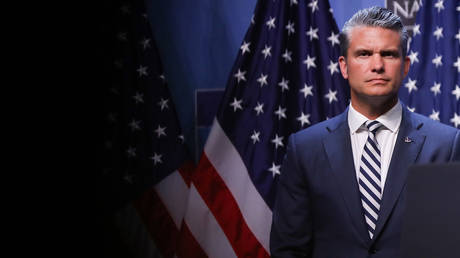
This influencer integration isn't happening in a vacuum. Under Defense Secretary Pete Hegseth, the Pentagon has steadily restructured how it interacts with the press and the public. We have watched mainstream outlets face restricted access while preferred conservative commentators receive specialized treatment.
Simultaneously, traditional independent military journalism is feeling the squeeze. Outlets like Stars and Stripes have faced personnel cuts, while internal leaks are hunted down with aggressive polygraph threats and potential jail sentences. The message from the top is clear. Control the narrative at all costs.
Swapping traditional reporters for friendly online influencers creates an echo chamber. It rewards cheerleading and punishes rigorous oversight. When military analysts online praise a policy, followers assume it is organic analysis. If those same analysts draw a government paycheck, that trust is compromised.
What This Means for Public Trust
Trust in institutions is already hanging by a thread. When the military industrial complex begins absorbing the very voices meant to critique or analyze it independently, cynicism wins.
You have to look past the follower counts and flashy rhetoric. Independent commentary requires distance from the institution being covered. Once you step inside the building and take a government title, you are no longer an independent observer. You are part of the machine.
Keep a close eye on who shapes public discourse about national security. Question the motives behind viral defense takes. Transparency shouldn't be optional, especially when it comes to the armed forces.