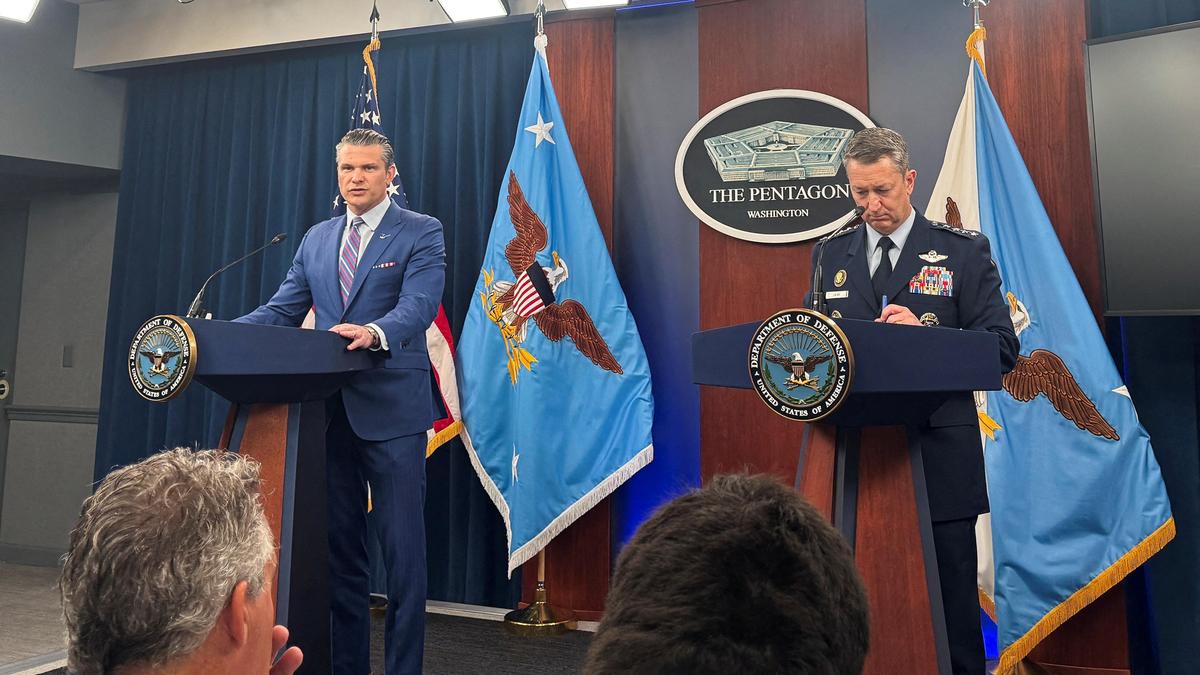
The Pentagon tried to gatekeep the news, and a federal judge just slammed that gate shut. It’s a moment that should make every American breathe a little easier, whether you follow military policy or just care about knowing what your government does with your tax dollars. For months, the Department of Defense (DoD) operated under a restrictive policy that essentially allowed them to handpick which journalists got to cover high-stakes military proceedings. It wasn't just about logistics. It was about control.
U.S. District Judge Amit Mehta’s recent ruling isn't just a slap on the wrist for the Pentagon. It’s a fundamental reassertion of the public’s right to know. When the government decides who gets to sit in the room based on vague "professionalism" standards or arbitrary history of coverage, they aren't managing the press. They're censoring it.
The breaking point for military reporting
This legal battle didn't come out of nowhere. It started when the Pentagon tightened its grip on how media outlets access "National Capital Region" events and sensitive briefings. The DoD claimed they needed to streamline operations. They argued that space was limited and they needed to ensure that only "professional" and "established" outlets were taking up those precious seats.
That sounds reasonable on the surface. Space is finite. But "professional" is a dangerous word in the hands of a government agency. Who defines it? In this case, the Pentagon did. They used it to exclude independent reporters, smaller digital outlets, and journalists who didn't fit their preferred mold.
The lawsuit, brought forward by a group of independent journalists and press freedom advocates, argued that these rules were "content-neutral" in name only. In practice, they acted as a filter. If you wrote pieces that ruffled feathers at the E-Ring, your "professionalism" might suddenly come into question. Judge Mehta saw through the bureaucratic jargon. He ruled that the criteria were too vague and gave the government way too much power to discriminate based on a reporter’s viewpoint.
Why the Pentagon press policy failed the legal test
The government has a high bar to clear when it restricts the press. Under the First Amendment, any restriction on access to government proceedings must be narrowly tailored and serve a significant interest. The Pentagon's policy was about as narrow as a shotgun blast.
- Vague Criteria: The policy relied on terms that weren't clearly defined. This allowed officials to move the goalposts whenever they wanted.
- Lack of Due Process: If a journalist was denied access, there was no real way to appeal or understand why. You were just out.
- Chilling Effect: When reporters know their access depends on staying in the good graces of the DoD, they're less likely to ask the hard questions.
Honestly, the most frustrating part of this whole saga is how the Pentagon tried to justify it as a "security" or "efficiency" measure. We’ve seen this play before. Whenever a government agency wants to avoid scrutiny, they wrap themselves in the flag and talk about "operational security." But as the court noted, you can't sacrifice the First Amendment for the sake of a cleaner sign-in sheet.
The ripple effect for independent media
This ruling is a huge deal for the "little guys." In the old days, three big networks and a handful of national newspapers owned the news. Today, some of the best investigative work comes from independent substacks, niche digital sites, and freelance veterans. These are the people the Pentagon's policy hit hardest.
If the DoD had won this case, it would've set a terrifying precedent. Every other federal agency—the DOJ, the State Department, even local police departments—would've looked at that ruling as a green light to start their own "vetting" processes. We'd end up with a state-sanctioned press corps. That's not how a democracy functions.
What this means for the future of transparency
Don't think the Pentagon is just going to roll over. They'll likely try to rewrite the rules to be just "specific" enough to pass muster while still maintaining as much control as possible. This is a game of legal cat and mouse. But for now, the court has drawn a line in the sand.
The ruling forces the DoD back to the drawing board. They have to create an access policy that is objective. If there are 20 seats in a room and 50 reporters want them, the solution should be a lottery or a "first-come, first-served" basis—not a subjective test of who the Pentagon thinks is a "real" journalist.
The transparency we get from our military is already thin. We're talking about an organization that hasn't passed an audit in years and manages a budget approaching a trillion dollars. The very last thing they need is less oversight. Judge Mehta’s decision ensures that, at least for now, the people watching the watchers can't be kicked out of the room just because the government doesn't like their face.
How to track these changes yourself
If you're a journalist or just a citizen who wants to ensure this ruling actually sticks, you need to watch the "Media Guidelines" pages on the official DoD website. Look for updates to the "Instructions for Press Access."
- Check for objective language. Words like "accredited" should be tied to clear, third-party standards, not internal DoD whims.
- Watch for the "appeals process." A fair policy must have a way for a denied journalist to challenge the decision.
- Support independent military reporting. Outlets like Military Times, Task & Purpose, and independent investigative units are the ones who do the heavy lifting here.
The Pentagon's attempt to muffle the press was a classic case of bureaucratic overreach. It took a federal judge to remind them that the press doesn't work for the government; they work for us. Keep your eyes on the next set of guidelines they release. The fight for access is never really over, it just changes shape. If you see something that looks like the old policy with a fresh coat of paint, call it out. Transparency is a muscle—if we don't use it, we lose it.