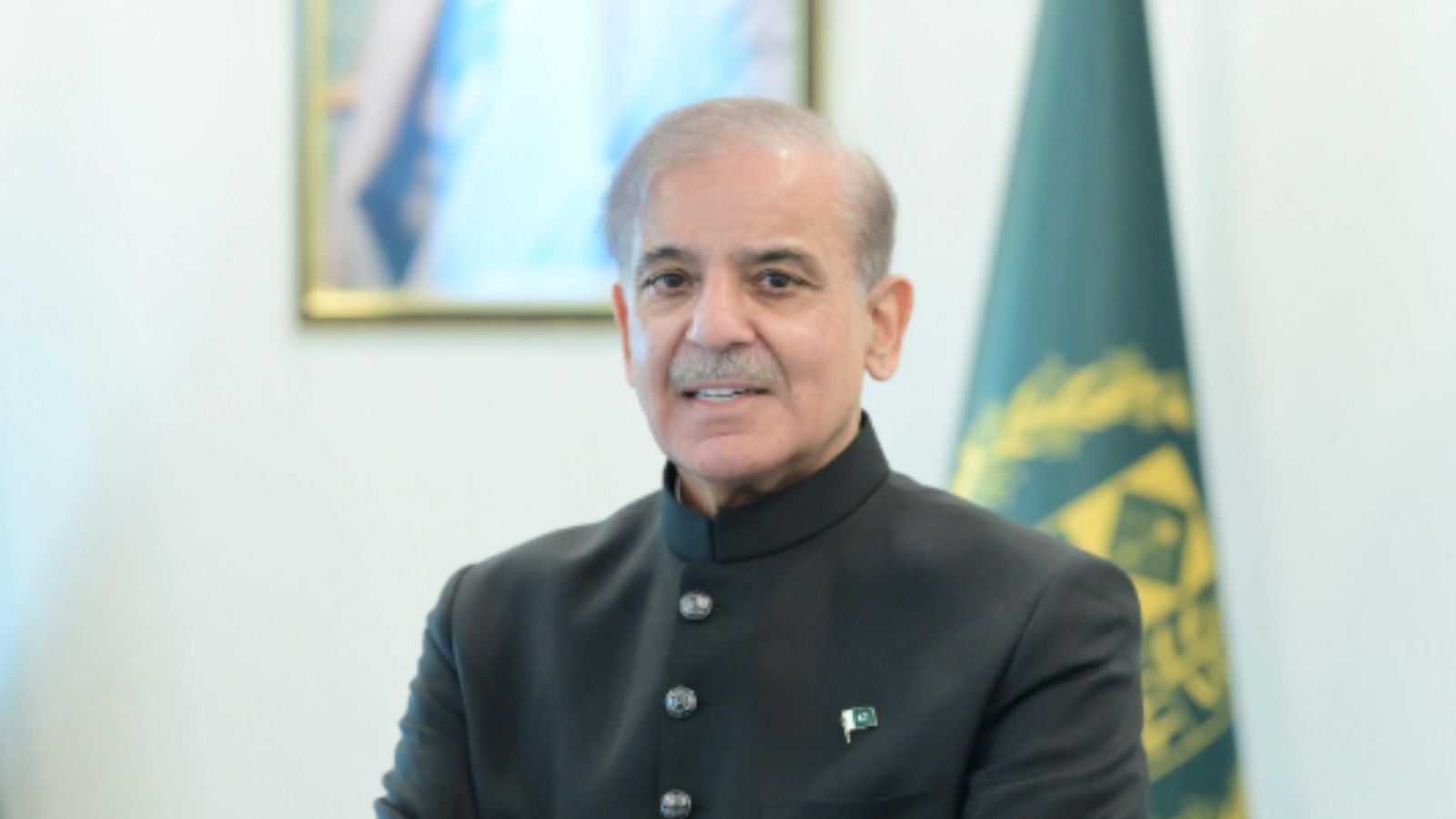
You have probably seen the headlines broadcasting a massive relief package at the fuel pumps in Pakistan. The government slashed petrol prices by Rs74 per liter followed by another tiny trim of Rs1.97. High-speed diesel crashed down by Rs67 and then dipped slightly further. On paper, it looks like a staggering victory for the common man. Prime Minister Shehbaz Sharif stood in the National Assembly to praise the resilience of citizens during the dark months of the US-Iran wartime crisis. The maritime blockade of the Strait of Hormuz has ended, a peace memorandum is signed, and global oil supplies are finally stabilizing.
But pull your car into any fuel station in Karachi, Lahore, or Islamabad, and nobody is celebrating. For a closer look into similar topics, we suggest: this related article.
The reality hits when you look at the actual numbers on the display board. Even after these consecutive reductions, petrol sits at Rs297.53 per liter. High-speed diesel will cost you Rs309.50 per liter. It feels like relief only because we are comparing it to the absolute madness of April 3, when petrol peaked at an unlivable Rs458.41 and diesel touched Rs520.35.
Let's look past the political victory laps. The truth is that fuel prices are nowhere near their pre-war levels. Before the conflict broke out, petrol was hovering around Rs266. We are stuck in a trap where a partial rollback of an unprecedented crisis is packaged as a massive financial favor. For additional context on this topic, comprehensive coverage is available at NBC News.
The Illusion of Relief and the IMF Trap
Why hasn't the retail price dropped down to the pre-war baseline when global crude has settled back into the comfortable $75 to $80 per barrel range? The answer lies in the heavy tax layers the state quietly slides between the international port and your local fuel tank.
If the government had simply passed on the true drop in international oil prices without shifting the goalposts, your petrol would be roughly Rs11 cheaper today. Instead, they used the downward market movement to pad out state revenues and satisfy the strict structural benchmarks of the International Monetary Fund.
Look at what you are actually paying for when you buy a single liter of petrol right now. The total tax burden sits at roughly Rs95 per liter. For diesel, it is an even worse Rs101 per liter. Here is the precise breakdown of what is draining your wallet:
- Petroleum Development Levy (PDL): Currently set at Rs70 per liter for petrol and Rs80 per liter for diesel.
- Climate Support Levy: A brand new Rs5 per liter tax implemented on July 1 to fulfill international climate commitments.
- Customs Duty: Rs20 per liter on petrol and Rs16 per liter on high-speed diesel.
- Inland Freight Equalization Margin (IFEM): The variable cost used to distribute fuel across the country, which keeps northern areas like Gilgit paying significantly more than coastal cities.
The state essentially doubled down on the climate support levy, matching IMF demands while shaving off just enough of the petroleum levy to make the retail price look like a net reduction. It is a classic shell game. The international price drops, the state absorbs the difference to patch its fiscal deficit, and you get a microscopic fraction of the savings.
How a Two Rupee Cut Fails to Stop the Inflation Avalanche
Every time the Oil and Gas Regulatory Authority tweaks the fuel pricing formula, a ripple effect runs through the entire national supply chain. High-speed diesel is the literal engine of the economy. It powers the heavy freight trucks traveling the Grand Trunk Road and the tractors harvesting crops across Punjab.
When diesel skyrocketed past Rs520 in April, transporter unions instantly jacked up their rates. A container journey from Karachi Port to the wholesale markets of Lahore spiked by thousands of rupees overnight. Food prices, building materials, and consumer goods all experienced a parallel surge.
The problem with the recent drop to Rs309.50 is that inflation is highly asymmetrical. Prices go up in a rocket, but they come down in a parachute. Wholesale distributors and transport cartels do not cut their rates by 20% just because diesel dropped. They pocket the expanded margin, citing the high cost of spare vehicle parts, increased electricity tariffs, and general operational insecurity.
A tiny adjustment of Rs1.97 per liter does absolutely nothing to alter the daily budget of an ordinary citizen. It won't lower the price of milk, it won't reduce your monthly grocery bill, and it won't make your electricity bills any less terrifying.
The Permanent Vulnerability of Our Energy Supply
The entire wartime emergency exposed a deeper structural vice that a simple price revision cannot fix. When Iran closed the Strait of Hormuz, 20% of the global liquefied natural gas supply vanished, and Brent crude immediately spiked. Pakistan found itself uniquely exposed because our energy policy relies entirely on importing refined petroleum products rather than processing crude locally.
Our domestic refinery sector is outdated and small. Instead of buying cheap crude oil and processing it at home, the state spends valuable foreign exchange on pre-refined fuel. When global supply chains fracture, we pay a massive premium.
To make matters worse, the government tried to handle the crisis through an ad hoc, administrative approach. They recently announced the creation of a Petroleum Prices Stabilization Fund to act as a financial cushion against future West Asia shocks. The Ministry of Finance directed that special funds and austerity savings would go into this account to absorb sudden global spikes.
The framework for this fund is not finalized. As of right now, there are no actual deposits in it. It is an empty ledger created to satisfy public anxiety, lacking a formal legal structure or initial capital. Relying on specialized storage setups or diplomatic favors from places like Russia or Iran might offer short-term discounts, but it is not a substitute for a genuine domestic energy strategy.
What Needs to Happen Next
If you want to protect your personal finances from the next inevitable geopolitical shock, you cannot rely on state notifications. The cycle of major hikes followed by minor price cuts will repeat itself before the year ends. Here are the practical steps to take:
First, audit your personal transport habits immediately. The era of cheap fuel is gone for good; a baseline of Rs300 per liter is the new normal. If your business relies on local logistics, consolidate routes or negotiate long-term fixed freight contracts now before the next market disruption.
Second, watch the upcoming IMF review closely. The state is legally bound to maximize its revenue collection. Any future drop in global oil prices will likely be captured by the government to increase the petroleum levy back toward its upper limits, rather than being passed to your local pump.
The recent US-Iran peace deal bought the local economy some temporary breathing room, but the structural foundations remain deeply broken. Until the state modernizes its domestic refineries and stops using the fuel pump as an administrative tax collection office, you will keep paying a wartime premium for a peacetime commodity.