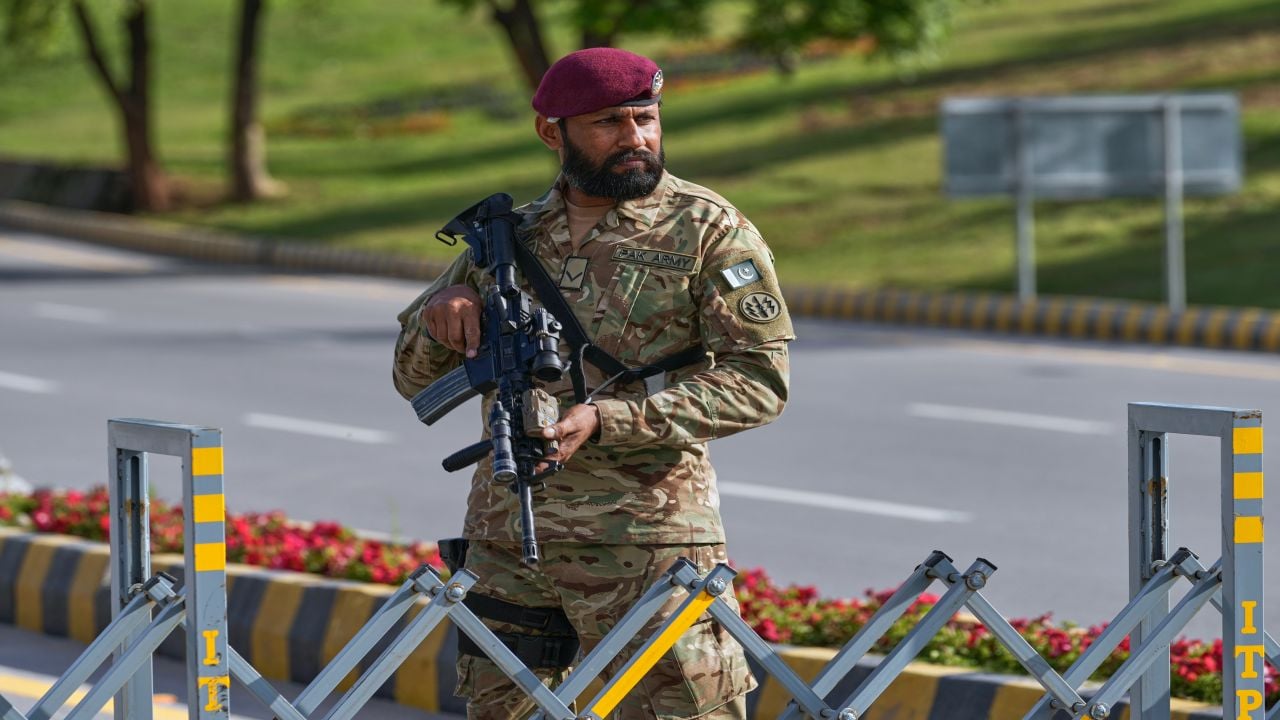
Pakistan isn't taking any chances. If you tried to drive through Islamabad or Rawalpindi today, you'd find a city that looks more like a high-security prison than a bustling South Asian capital. The government has effectively locked down the twin cities, deploying over 20,000 police officers and elite commandos. This isn't just about routine safety; it's a desperate scramble to secure the second round of high-stakes peace talks between the United States and Iran.
The stakes couldn't be higher. We're talking about a conflict that flared up on February 28, 2026, when joint US-Israeli strikes hit Iran. Since then, the region has been teetering on the edge of a total meltdown. Pakistan, stuck between its 900-kilometer border with Iran and its complex relationship with Washington, has stepped up as the mediator. But hosting the likes of US Vice President JD Vance and Iranian negotiator Mohammad Baqer Qalibaf means turning the capital into a "Red Zone" where even the birds are being watched.
Sniper Nests and Requisitioned Hotels
The sheer scale of the security operation is staggering. Authorities haven't just added a few extra patrols. They've requisitioned major luxury hubs like the Serena and Marriott hotels, forcing regular guests to pack their bags and leave immediately. If you're a student in a Rawalpindi dormitory, you've likely been told to go home indefinitely.
It's a total shutdown. Here’s a breakdown of what’s happening on the ground:
- 20,000 personnel from the police, Punjab Highway Patrol, and the Dolphin Force are patrolling the streets.
- Rooftop snipers have been stationed on every major building overlooking the transit routes.
- Safe City cameras are being monitored 24/7 with zero room for blind spots.
- Public transport is suspended, and major entry points to the capital are sealed tight.
The level of paranoia is justified. During the first round of talks around April 11, the Pakistan Air Force reportedly used 24 fighter jets and an AWACS plane just to escort the Iranian delegation back home. Tehran is terrified of an Israeli strike on its negotiators, and Pakistan is the one that has to guarantee they don't leave in body bags.
The Trump Factor and the Hormuz Threat
Donald Trump isn't making things easy for the negotiators. While he's praised the "very good conversations" happening in Islamabad, he's also been posting threats on social media. His latest ultimatum? If Iran doesn't take the deal, the US will "knock out every single power plant and every single bridge" in the country.
The tension is mostly centered on the Strait of Hormuz. Iran recently reasserted control over the waterway, effectively strangling global energy supplies. For Pakistan, this isn't just a foreign policy headache—it's an existential crisis. The country gets 90% of its oil from the Gulf. If those lanes stay closed, the Pakistani economy, already on life support with a four-day workweek and emergency fuel rationing, will flatline.
Why Islamabad is the chosen ground
You might wonder why these two enemies chose Pakistan. Qatar, Turkey, and Egypt were all on the table, but Tehran pushed for Islamabad. It's a strategic move. Pakistan shares a border with Iran, making the logistics of moving high-level officials slightly less of a nightmare than flying them across the Mediterranean.
For Pakistan's Army Chief, Asim Munir, and Prime Minister Shehbaz Sharif, this is a moment of extreme "limited alignment." They're trying to prove they can be the bridge that prevents a regional apocalypse without getting dragged into the line of fire. They’ve even ended the old "Rahdari" system at the border, requiring full passports and visas for the first time in decades to keep militants from slipping through the cracks during the summit.
What to expect in the next 48 hours
Negotiators are arriving at Nur Khan Airbase under heavy guard. Expect the city to remain a ghost town for the duration of the talks. The US team, led by Vance and including figures like Steve Witkoff and Jared Kushner, is pushing for a total cessation of uranium enrichment. Iran, led by Qalibaf, wants sanctions lifted and reparations for the February strikes.
Don't expect a "seamless" resolution. The two sides are still miles apart on the nuclear issue. If you're living in the twin cities, stay off the roads and keep your ID on you at all times. The police have made it clear: anyone violating the lockdown orders will face "severe consequences." This isn't a drill; it's a nation holding its breath while two giants try to decide whether to shake hands or burn the house down.
If you have travel plans through Islamabad International Airport, check with your airline immediately. Many flights are being diverted or delayed to clear the skies for diplomatic arrivals. Secure your fuel supplies now, as the energy restrictions aren't likely to lift until the Strait of Hormuz situation is resolved.