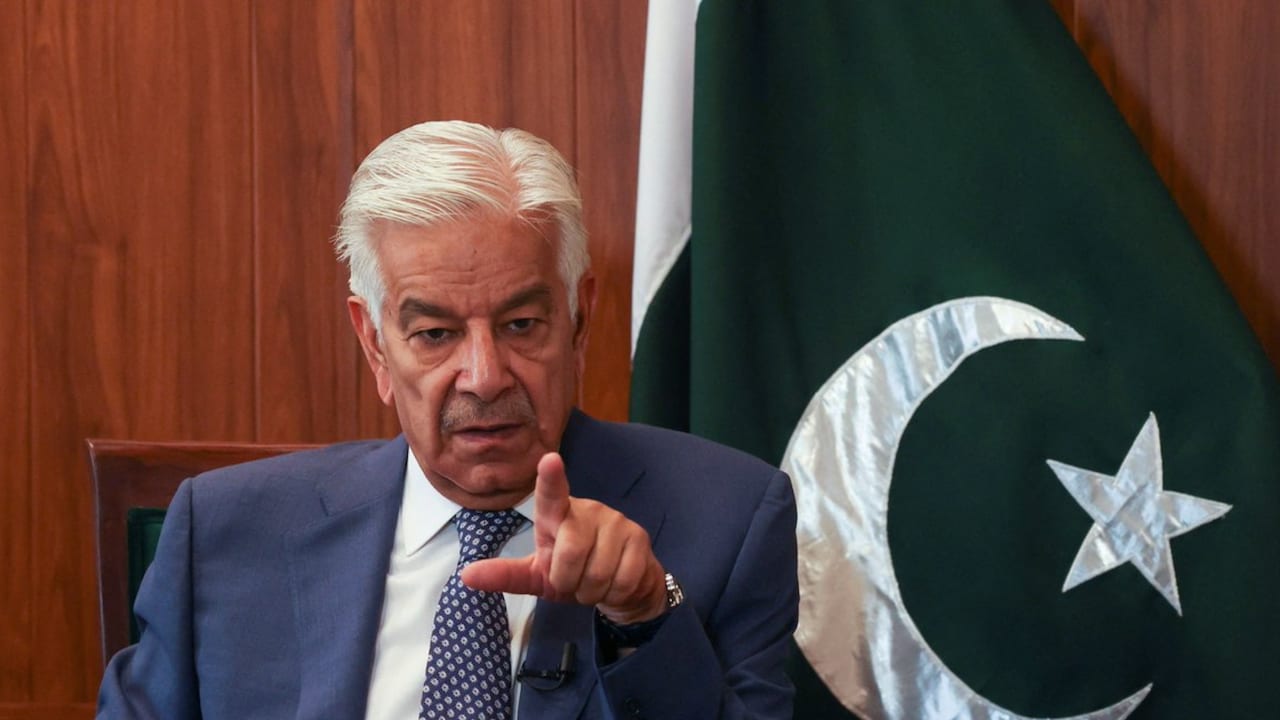
Missiles flying toward southern Saudi cities change everything. When Houthi drones and projectiles struck civilian and energy infrastructure recently, Islamabad didn't just issue standard diplomatic boilerplate. Pakistani Defense Minister Khawaja Asif stepped forward with a blunt warning: there is zero ambiguity about the newly minted Makkah Defence Alliance.
If you've been wondering what happens when regional proxy wars spill across sovereign borders, Pakistan's stance gives you a very clear answer. An attack on Riyadh or any other Saudi territory is treated directly as an attack on Islamabad and Ankara.
Inside the Makkah Defence Alliance
The security architecture of the Middle East shifted dramatically when Saudi Arabia, Pakistan, and Turkey formalized the Makkah Joint Defence Agreement. This isn't just another loose regional handshake. It functions on a collective security model explicitly stating that unprovoked aggression against a single member forces a synchronized response from all three.
Pakistan's leadership has made it clear that they are fully bound by these terms. When asked explicitly on television if recent Houthi strikes could trigger the pact, Asif didn't hesitate. He confirmed that if the conflict in Yemen continues exporting violence into Saudi territory, the mutual defense clauses become fully operational.
Why Islamabad Takes Riyadh's Security Personally
The ties binding Pakistan and Saudi Arabia run much deeper than modern geopolitical expediency. Decades of military cooperation, troop deployments, and strategic training programs have welded the two nations together since the 1960s. Pakistan provides crucial military personnel and technical expertise, while Saudi Arabia heavily supports Pakistan's economic stability during times of crisis.
Critics often ask whether a country facing its own severe domestic and economic hurdles would actually deploy forces abroad. The answer lies in deterrence. By establishing a formal, tripartite shield involving Turkey's advanced defense technology, Pakistan's battle-tested manpower, and Saudi financial backing, the alliance aims to make the cost of aggression too high for any non-state actor or regional rival to bear.
The Fine Print on Collective Defense
Let's clear up one major misconception about this pact. It is fundamentally defensive. Pakistani officials have repeatedly stressed that the agreement does not grant member states a blank check to launch unprovoked offensive operations abroad.
If nobody attacks, the pact stays quiet. But when missiles cross international borders and strike civilian areas, the legal and military obligations kick in. Islamabad wants regional proxies and their backers to understand that testing Saudi air defenses now means testing a much wider coalition.
The ball is entirely in the court of those launching the projectiles. Push the boundaries too far, and the full weight of a multi-nation military pact activates automatically.