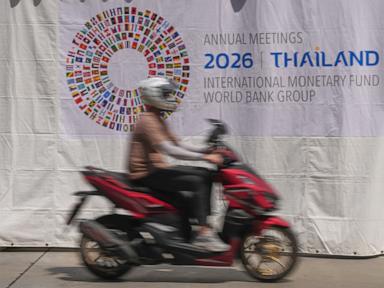
Every time you pull up to a petrol station in Pakistan, you aren't just paying for crude oil sourced from international markets. You are funding the state's fiscal deficit. Recent surveys show that nearly 46% of Pakistanis correctly point the finger at government taxes and levies as the primary culprit behind crippling fuel prices. While global oil fluctuations and exchange rates play a minor role, the heavy lifting of high pump prices is done right at home through aggressive taxation policies designed to meet strict International Monetary Fund (IMF) fiscal targets.
If you own a car, run a transport business, or simply buy groceries that rely on truck logistics, you're bearing the brunt of a system that treats fuel as its most reliable cash cow. Let's look at how this mechanism actually works, why consumers take the hardest hit, and what options are left when the tank runs dry.
The Anatomy of a Fuel Receipt
Most people assume that filling a tank reflects the direct cost of importing crude oil. The reality is far less forgiving. Pakistan’s petroleum pricing structure exposes an aggressive layers-
Why Pakistan Fuel Prices Keep Crushing Everyday People
business
Filling up a tank in Pakistan isn't just an expense anymore. It is a financial crisis. When you pull up to a petrol pump in Lahore, Karachi, or Islamabad, the numbers ticking upward on the dispenser represent a heavy toll on daily survival. Government taxes, petroleum levies, and cascading global economic pressures have turned basic mobility into a luxury.
Most discussions surrounding the country's economic strain miss the human element. They focus entirely on macroeconomic stabilization targets, International Monetary Fund structural benchmarks, and fiscal deficit margins. Those metrics matter, sure. But they completely ignore what happens when a delivery driver, a commuter, or a small business owner watches half their weekly earnings vanish just to keep an engine running.
Let's look at how this system actually operates, why consumers carry the heaviest burden, and what this means for the broader economy.
The Anatomy of a Fuel Pump Receipt
Look closely at any petroleum pricing breakdown issued by the Oil and Gas Regulatory Authority. You rarely pay just for the crude oil and the refinery processing costs. The final sticker price at the pump is heavily padded by state-imposed levies and general sales tax adjustments.
Governments caught in severe fiscal crutches often rely on petroleum products as easy cash cows. Why? Because fuel demand is inelastic. People still need to get to work. Trucks still need to transport food and medicine across provinces. You can't just park your car forever because prices spike.
This creates a brutal fiscal loop. When international Brent crude prices climb, domestic prices jump immediately. Yet, even when global markets dip or stabilize, domestic relief rarely matches the drop. Why? Because authorities routinely jack up the petroleum levy to meet revenue collection shortfalls dictated by bailout programs.
Consumers basically act as a tax cushion for structural budget deficits.
The Domino Effect Across Every Industry
Fuel inflation never stays isolated at the gas station. It bleeds into everything else.
Take food inflation, for instance. Pakistan's agricultural supply chain relies heavily on diesel-powered trucks to haul produce from rural farms to urban wholesale markets. When diesel prices surge, transport costs spike instantly. Farmers pay more for tractor operations and tube-well irrigation. Wholesalers pass those expenses down the line. By the time vegetables, dairy, and grains hit neighborhood grocery stores, the price tag reflects every single fuel hike along the supply chain.
Public transport fares follow the exact same trajectory. Rickshaw drivers, mini-bus operators, and intercity coach networks have to raise fares just to break even. For a daily wage earner commuting across a sprawling metropolis like Karachi, transportation costs suddenly consume an unsustainable chunk of monthly income.
You end up with a compounding squeeze. Salaries stagnate while the cost of basic movement and nutrition skyrockets.
Navigating the Pinch
If you're trying to manage personal or business finances through this turbulent environment, standard budget advice falls flat. Telling people to "save more on fuel" doesn't work when the price per liter leaves you with zero margin.
Instead, you have to look at operational shifts. If you run a small business dependent on logistics, route consolidation is no longer optional. Consolidating deliveries, shifting to fuel-efficient two-wheelers for local errands, or renegotiating supplier contracts to bulk shipments can keep operational bleed to a minimum.
For households, carpooling and maximizing public transit options, however uncomfortable or crowded they might be, become financial necessities rather than lifestyle choices.
The Core Policy Dilemma
Fixing this mess requires structural fixes that successive administrations have repeatedly delayed. Tax collection in Pakistan remains notoriously narrow. Instead of widening the tax net to capture elite retail, real estate, and agricultural income, easy-to-collect withholding taxes and petroleum levies remain the default shortcut for fiscal planners.
Until the tax burden spreads equitably across the entire population, fuel consumers will keep bearing the brunt of stabilization policies.
Keep a close eye on upcoming federal budget allocations and monthly price reviews. Don't just look at the headline numbers. Watch how petroleum levies are adjusted behind the scenes, because that is where the real policy choices happen. Plan your monthly transport expenses with a buffer, and expect volatility to remain the baseline norm for the foreseeable future.