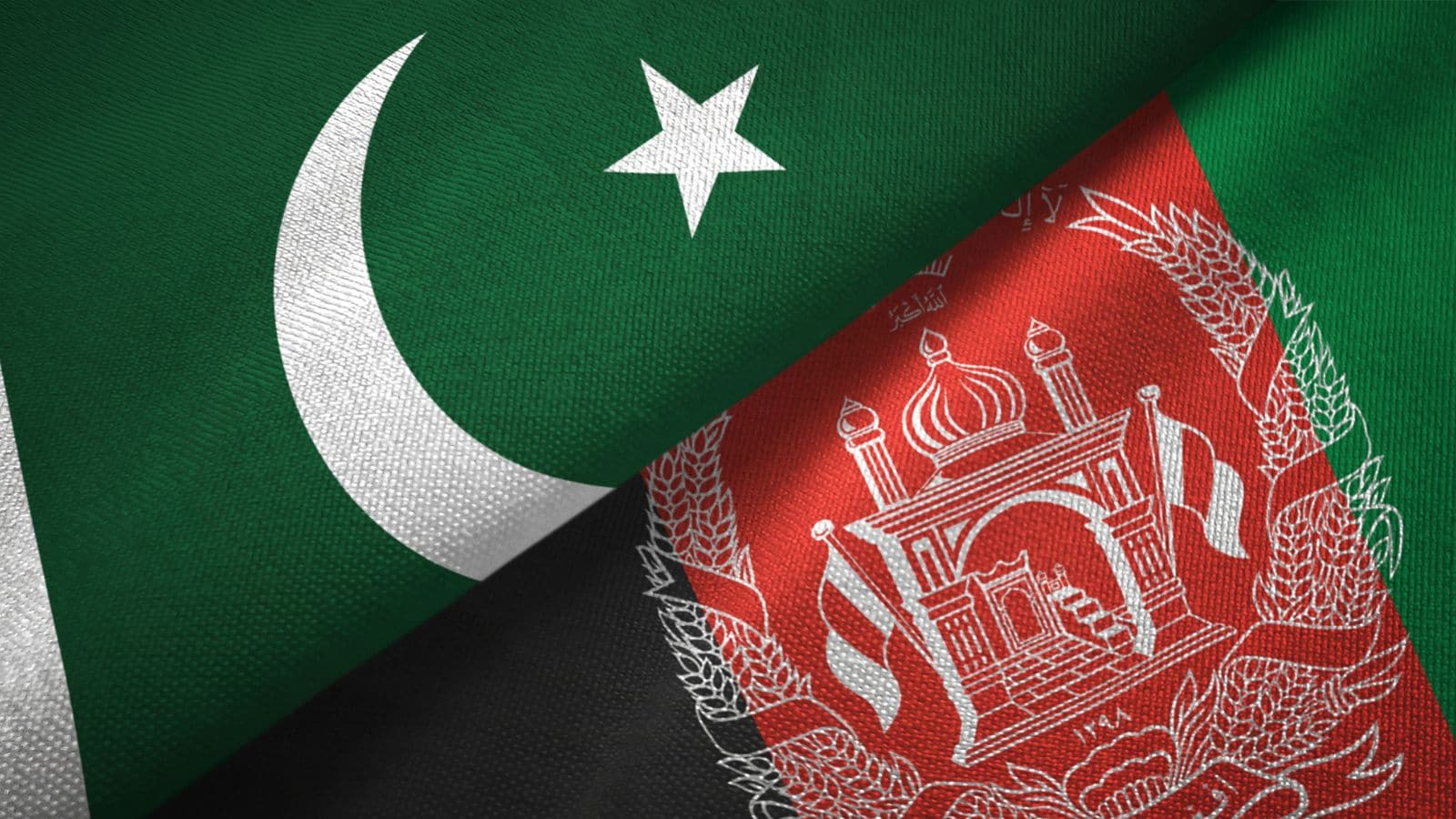
The borderlands between Pakistan and Afghanistan have long been a volatile powder keg, and recent cross-border airstrikes have pushed bilateral relations to a dangerous new low. Islamabad insists its jets successfully targeted and eliminated twenty-eight militants belonging to anti-state factions hiding in eastern Afghan provinces. Kabul tells a drastically different story, reporting that three civilians—including children—perished in the bombardment.
This friction isn't isolated. It represents a recurring cycle of violence, shifting security dynamics, and deep-seated political mistrust that threatens regional stability. If you want to understand why two neighboring nations with deep cultural ties are locked in an escalating security crisis, you have to look past the conflicting body counts and examine the root causes of the cross-border conflict. Read more on a similar topic: this related article.
The Breaking Point Behind the Latest Airstrikes
To understand why Pakistani warplanes crossed into Afghan airspace, you need to look at what happened just days prior. A devastating suicide bombing struck a police compound mosque in the Pakistani city of Kohat. Eight heavily armed attackers initiated a twenty-hour gunbattle that left at least twenty-one people dead—primarily police officers—and over one hundred wounded.
For Islamabad, this attack was the final straw. Pakistani security officials have spent years demanding that the Afghan Taliban administration crack down on the Tehreek-e-Taliban Pakistan (TTP), a separate militant umbrella organization that uses Afghan territory as a staging ground for attacks inside Pakistan. When domestic intelligence points to cross-border sanctuaries, Pakistan's military posture shifts swiftly from defense to preemptive cross-border action. More journalism by The Washington Post highlights similar perspectives on the subject.
The retaliatory airstrikes hit suspected militant hideouts in eastern Afghan provinces like Kunar and Paktika. Pakistani security sources maintained that the operations precisely targeted insurgent infrastructure, training camps, and weapon depots used to launch drone and ground assaults.
Two Entirely Different Realities on the Ground
War reporting in contested border zones always suffers from a verification crisis, and this incident is a textbook example. You have two governments presenting completely irreconcilable versions of reality.
Pakistan's official stance emphasizes precision and necessity. Officials argue that taking out twenty-eight insurgents is a defensive imperative to stop ongoing bloodshed inside Pakistani cities. They claim their intelligence is solid and that collateral damage is minimized through careful targeting.
On the other side, Afghan authorities and local witnesses paint a grim picture of civilian suffering. Zabihullah Fitrat, an Afghan official, reported that local homes were struck, resulting in civilian casualties that included young children. United Nations monitoring groups frequently echo these concerns, pointing out that cross-border aerial operations exact a heavy human toll on vulnerable populations living near the Durand Line.
When independent journalists and international observers cannot easily access these remote mountainous zones, verification becomes nearly impossible. Both sides weaponize casualty figures for domestic political consumption, leaving the truth buried somewhere in the rubble.
The TTP Factor and the Limits of Taliban Control
At the center of this diplomatic deadlock lies the Tehreek-e-Taliban Pakistan. While the TTP shares ideological roots and historical ties with the Afghan Taliban, they operate as a distinct entity focused on overthrowing the Pakistani state.
When the Afghan Taliban recaptured Kabul in 2021, Islamabad initially hoped that a friendly regime next door would clamp down on the TTP. That hope has evaporated. The Afghan Taliban leadership flatly denies harboring Pakistani militants, arguing that Pakistan's security troubles stem from internal governance failures rather than cross-border safe havens.
Yet, strategic analysts point out a harsh reality. The Afghan Taliban lacks the centralized capacity, resources, or political desire to wage an aggressive campaign against ideological allies who fought alongside them for decades. For Kabul, turning guns on fellow Islamist fighters—even those targeting a foreign neighbor—carries severe domestic security risks, including the risk of factions defecting to rival groups like the Islamic State Khorasan Province (ISKP).
This dynamic leaves Pakistan in an impossible position. Islamabad cannot simply ignore mounting domestic casualties from TTP bombings, but cross-border airstrikes violate Afghan sovereignty and trigger fierce nationalist backlash in Kabul.
Why Border Diplomacy Keeps Failing
Diplomatic channels between Islamabad and Kabul are increasingly choked by mutual hostility. Every time a major attack hits a Pakistani city, public pressure forces the military to respond with force. Every time a Pakistani jet drops ordnance across the border, the Afghan government experiences a surge of anti-Pakistan sentiment, leading to border skirmishes, mortar exchanges, and fiery rhetoric on social media.
Regional powers and international bodies like the United Nations Security Council repeatedly urge restraint, calling on Afghan authorities to deny sanctuary to terrorist networks while urging Pakistan to respect international borders and civilian safety. These diplomatic appeals routinely fall flat because neither capital feels its core security concerns are being addressed by the other.
Pakistan feels abandoned to fight a proxy war against heavily armed insurgents operating with impunity from safe zones. Afghanistan feels victimized by foreign military aggression that violates its territorial integrity and kills non-combatants.
What Comes Next for the Region
The cycle of strikes, denials, and retaliatory border clashes shows no sign of slowing down. As long as the TTP retains operational freedom in the rugged frontier mountains, Pakistan will continue testing the limits of its patience through targeted operations. And as long as those operations result in civilian casualties, the Afghan government will retaliate with diplomatic defiance and occasional military friction.
Border communities bear the brunt of this intractable feud, caught between militant extortion, state crackdowns, and sudden aerial bombardments. Until a realistic framework for intelligence sharing and joint border management takes root—an outcome that looks increasingly unlikely given current hostility—the frontier will remain one of the most volatile flashpoints in South Asia.