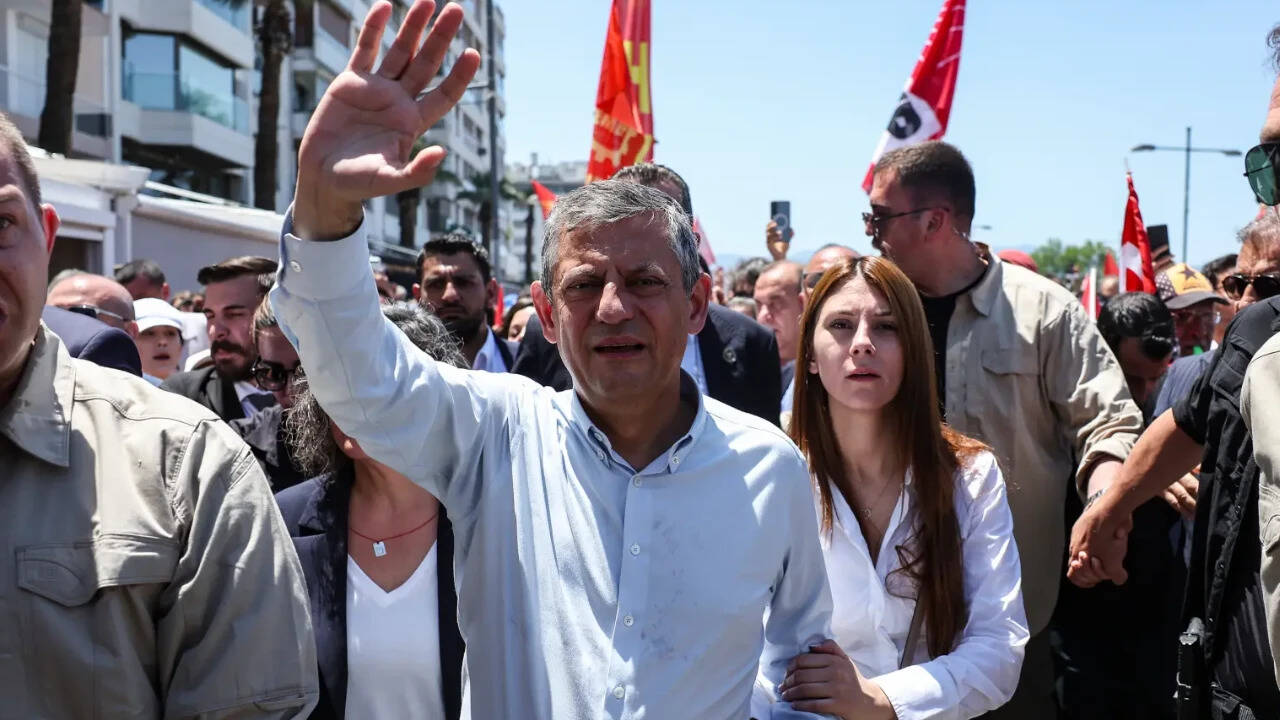
Turkish politics just hit a seismic fault line. Özgür Özel, who was stripped of his chairmanship of the Republican People’s Party (CHP) by an Ankara court back in May, officially announced his exit from Turkey's historic main opposition party. He isn't walking away into quiet retirement, though. He's taking over 80 parliamentarians with him to launch a fresh political movement designed to challenge President Recep Tayyip Erdoğan directly.
If you've been watching Turkey’s political scene, this might look like classic opposition self-destruction. The media loves a good "opposition splits and hands victory to the incumbent" narrative. But looking closely at the parliamentary numbers and voter sentiment reveals a totally different dynamic unfolding. This break isn't a sign of weakness—it's a calculated move to escape a legal trap built by the ruling bloc.
The May Court Ruling and How the Opposition Got Cornered
To make sense of why Özel is ditching the party founded by Mustafa Kemal Atatürk over a century ago, you have to look at the legal quicksand his faction was forced into.
In November 2023, Özel won a high-stakes internal election against long-time leader Kemal Kılıçdaroğlu. That transition gave the CHP massive momentum, culminating in a historic triumph during the March 2024 local elections where the party swept key metro areas, including Istanbul and Ankara.
Then came the judicial counterstrike.
An Ankara court annulled the 2023 congress in May, citing alleged voting irregularities. The ruling ousted Özel, dissolved his board, and reinstated Kılıçdaroğlu as chairman. The move effectively put the CHP back in the hands of the old guard—the exact faction that lost to Erdoğan in 2023 and had alienated millions of younger, motivated voters.
Özel’s faction appealed, tried to trigger extraordinary congresses, and attempted every procedural avenue available. Kılıçdaroğlu’s faction refused to yield, issuing expulsions and grinding the party’s momentum to a halt. Staying inside the CHP meant spending the next two years fighting internal court battles instead of building a campaign for the 2028 presidential race.
Özel chose to break the box entirely.
"Today, we stand on the threshold of a sorrowful farewell whose time has come... Our party is now under the captivity and occupation of a system confined by annulment rulings, judicial branches, and the walls of the Palace."
— Özgür Özel, speaking to lawmakers in Ankara.
Mathematical Reality in Parliament
Pundits like to warn that splitting a major party fractures the vote. In a parliamentary system governed by strict coalition arithmetic, that's usually true. But Turkey's current setup makes this situation completely unique.
The CHP entered the week holding 135 seats in Turkey’s 600-seat Grand National Assembly. Over 80 of those deputies attended Özel's farewell meeting and are moving with him to the new party.
The instant legal registration is completed, Özel’s new group won't be a fringe splinter. It will instantly become the primary opposition party in parliament by a wide margin. Kılıçdaroğlu's remnant CHP will be left with around 50 seats, stripped of its primary legislative clout.
Parliamentary Realignment (600 Seats Total)

[Özel's New Party]   ------------------------ (80+ Seats)
[DEM Party]          -------------- (63 Seats)
[Rest of CHP]        ------------- (~50 Seats)
[İYİ Party]          -------- (29 Seats)
This structural shift flips the script. Instead of fighting an entrenched party bureaucracy, Özel gets a clean slate, the majority of the legislative bloc, and the narrative advantage of being the group targeted by state apparatuses.
Fighting Through the Legal Minefield
Don't mistake this split for a smooth sailing victory lap. Founding a new party in modern Turkey carries massive operational risk.
First, there's the legal danger hanging directly over Özel himself. Unlike his close ally Ekrem İmamoğlu—the popular mayor of Istanbul who has been imprisoned since last year on controversial charges—Özel has been protected by parliamentary immunity. But prosecutors are already laying the groundwork for potential corruption and procedural indictments that could target his immunity.
Second, the brand loyalty to the CHP is deep-seated in Turkey. For generations, secular voters viewed the CHP's six-arrow logo as an untouchable symbol. Asking loyalists to abandon the party of Atatürk for an unproven party name requires immense trust.
Yet, opinion polls conducted right before the split show a striking trend: a significant portion of the voter base views Kılıçdaroğlu's court-ordered return as illegitimate. Voters aren't loyal to administrative buildings; they're hungry for a viable alternative to the current administration.
What Comes Next for the Turkish Opposition
For anyone tracking regional geopolitical stability, market reactions, or the future of Turkish democracy, watch these three concrete factors in the coming weeks:
- The Formal Registration and Naming: Özel’s team needs to finalize the party's official constitution and name—frequently referenced in Ankara as Yeni Parti (New Party)—before the judicial recess. Fast registration secures their official party group status in parliament.
- Mayoral Alliances: Watch Ankara Mayor Mansur Yavaş and local municipal leaders closely. While many city executives face intense judicial scrutiny, public statements of support for Özel's movement will determine if local machinery transfers to the new party.
- Court of Cassation Decisions: Ongoing appeals regarding the original CHP congress annulment will continue in the background. A swift legal move by the state to block the registration of Özel’s group would trigger severe market volatility and international pressure.
Özel took a massive gamble by leaving the CHP behind. But in an environment where staying put meant slow political asphyxiation, launching a new vehicle isn't just a bold strategy—it's his only path forward.