Thirty-two billion dollars sounds massive on a press release. Yet if you've spent any time tracking federal infrastructure spending across Indigenous communities in Canada, you know a headline number rarely tells the whole story.
Budget 2026 dropped a massive commitment for First Nations infrastructure, sparking immediate debate from Parliament Hill to remote northern councils. Politicians love big round numbers because they look great on evening broadcasts. Community leaders, engineers, and project managers look at something entirely different. They look at multi-year timelines, bureaucratic bottlenecks, and whether the cash will actually cover the soaring cost of building in the North.
Let's break down what's actually inside this $32 billion commitment, why the infrastructure gap got this big in the first place, and what needs to happen so this money builds real roads and water plants instead of sitting in Ottawa bank accounts.
Why the Infrastructure Gap Reached Crisis Levels
To understand why $32 billion is on the table in 2026, you have to look at decades of chronic underfunding. You can't fix fifty years of neglect with a couple of seasonal grants.
For generations, First Nations communities operated under funding formulas that didn't account for population growth, inflation, or the brutal realities of northern geography. While Canadian municipalities raised property taxes and issued municipal bonds to upgrade sewers and pave roads, First Nations relied almost entirely on discretionary federal transfers from Indigenous Services Canada (ISC).
The Assembly of First Nations (AFN) has spent years documenting this exact shortfall. Their joint research with federal officials estimated the true cost of closing the First Nations infrastructure gap at well over $300 billion by 2030. Read that number again. Three hundred billion.
Suddenly, $32 billion looks a lot different. It's a major down payment, sure. Nobody is turning down that kind of capital. But pretending it solves the entire housing, water, and connectivity crisis overnight would be dishonest.
The Real Cost of Building in Remote Communities
If you've never priced out a construction project fly-in only, it's hard to grasp the math.
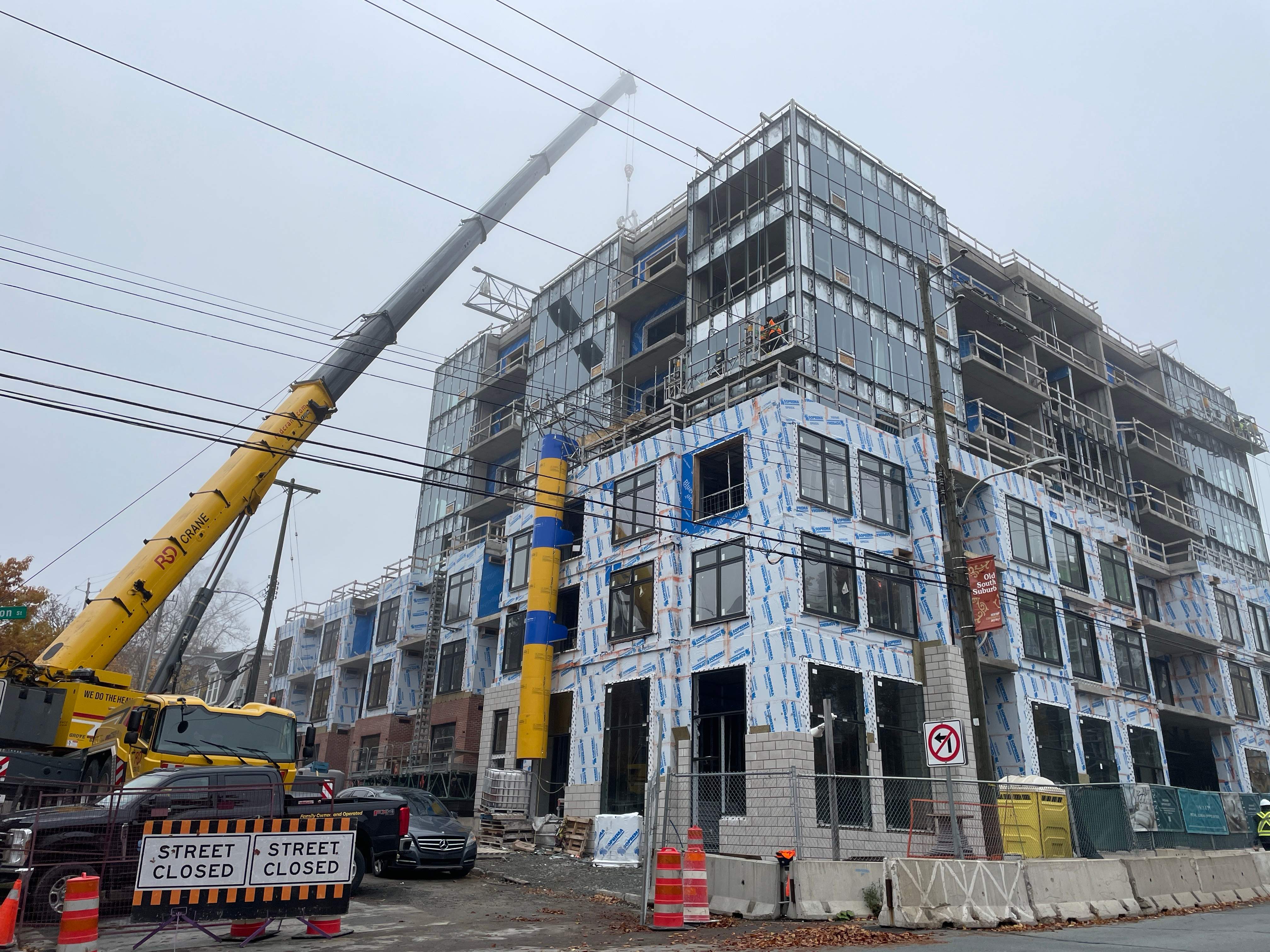
In downtown Toronto or Vancouver, concrete, steel, and skilled trades are a phone call away. In a remote First Nation in northern Ontario or Manitoba, every single nail, bag of cement, and gallon of diesel has to wait for the winter ice roads to freeze solid. Warm winters have shortened those ice road seasons dramatically over the last decade. When the ice melts early, materials get stranded, forcing communities to fly freight in at ten times the cost.
Inflation in construction materials hit remote communities twice as hard as urban centers between 2021 and 2026. A water treatment plant or a twenty-unit housing build doesn't just cost 20% more than it used to. Once you factor in freight, remote camp housing for workers, and environmental remediation, costs routinely double.
Breaking Down Where the $32 Billion Goes
Big federal infrastructure announcements usually bundle new money with previously announced funds stretched over a five-to-ten-year horizon. Budget 2026 follows a similar playbook, targeting several critical pillars that communities have demanded for years.
- Clean Drinking Water and Wastewater Systems: Ending long-term drinking water advisories has been a recurring federal promise for over a decade. While dozens of advisories were lifted, new ones pop up when aging systems fail. A massive chunk of this funding targets not just building new plants, but funding the ongoing operations and maintenance (O&M) that keeps them running.
- On-Reserve Housing: Overcrowding and mold remain urgent public health emergencies. The budget allocates billions toward accelerating new builds, retrofitting existing stock, and supporting Indigenous-led housing authorities rather than forcing communities to use one-size-fits-all federal blueprints.
- All-Season Roads and Bridges: Connecting isolated communities to the provincial highway network changes everything. It lowers grocery prices, improves medical evacuations, and opens up economic opportunities.
- High-Speed Broadband and Energy Grids: Many remote communities still rely on expensive, polluting diesel generators for electricity. The funding package includes capital for clean energy microgrids and fiber-optic connections so kids can actually do homework online and local businesses can process digital payments.
The Operations and Maintenance Trap
Here is a mistake Ottawa has made repeatedly over the last thirty years. They'll happily cut a ribbon on a shiny new $15 million water plant, then underfund the annual budget needed to pay the certified operator and buy replacement filters.
Without dedicated operations and maintenance dollars, brand-new infrastructure deteriorates within five years. Budget 2026 attempts to address this by shifting more predictable, multi-year O&M funding directly to First Nations governments. Whether those formulas keep pace with real-world maintenance costs remains the biggest question mark for band councils.
What Most People Miss About Indigenous Infrastructure Funding
When taxpayers hear "$32 billion," some assume checks are simply handed out to band offices with zero oversight. That couldn't be further from the truth.
In reality, First Nations face some of the heaviest reporting requirements in the country. Before a single shovel hits the dirt, a community often has to navigate feasibility studies, environmental assessments, Treasury Board submissions, and engineering reviews approved by federal bureaucrats in Ottawa.
That process eats up years. By the time Ottawa approves a budget based on 2024 engineering estimates, it's 2026, and the contractor quotes are 30% higher. The community then has to go back to the government to beg for top-up funding, delaying the project another construction season.
Shifting Control Through Indigenous-Led Institutions
The smartest money in Budget 2026 isn't the cash managed directly by federal departments. It's the capital routed through Indigenous-led financial and technical institutions.
Organizations like the First Nations Finance Authority (FNFA) and the First Nations Infrastructure Institute (FNII) have proven that when First Nations control their own borrowing, procurement, and project management, projects get built faster and cheaper. FNFA has already helped communities raise billions in capital markets at competitive rates, building everything from community centers to clean energy projects without waiting on federal Treasury Board approvals.
Supporting self-determined infrastructure means letting communities bundle projects, negotiate directly with engineering firms, and train their own local tradespeople rather than flying in outside contractors who leave as soon as the job finishes.
The Economic Ripple Effect Nobody Talks About
Too many commentators frame First Nations infrastructure purely as social spending or charity. That's terrible economics.
Every dollar spent building roads, broadband networks, and clean energy grids in First Nations territories generates massive returns for the broader Canadian economy. You can't develop critical minerals in Ontario's Ring of Fire or expand forestry and renewable energy in British Columbia without working alongside the First Nations whose territories hold those resources.
Infrastructure is the foundation of economic reconciliation. When a First Nation has reliable power, high-speed internet, and an all-season road, it becomes an equity partner in major regional developments. Local entrepreneurs launch businesses. Construction jobs flow to both Indigenous and non-Indigenous workers in neighboring towns.
Suppliers in Thunder Bay, Winnipeg, Prince George, and Sudbury rely heavily on northern First Nations infrastructure contracts. When Ottawa delays funding, small engineering firms, trucking companies, and lumber yards across rural Canada feel the pinch immediately.
Five Friction Points That Could Stall the Rollout
Having $32 billion on paper is step one. Getting concrete poured and pipes laid before the money loses purchasing power is the real test. If you're a community leader, contractor, or policy watcher tracking this rollout, watch out for these five bottlenecks:
- The Skilled Trades Shortage: Canada already faces a severe shortage of electricians, plumbers, heavy equipment operators, and water treatment technicians. Competing for those workers in remote areas requires aggressive wage packages and local apprenticeship programs.
- Procurement Red Tape: Federal procurement rules often favor massive multinational engineering firms over smaller, regional Indigenous-owned businesses. Unless procurement rules actively prioritize local capacity, millions of dollars will leak straight out of the communities.
- Supply Chain Bottlenecks: Transformers, switchgear, and specialized water filtration components still face global manufacturing backlogs. Ordering equipment late guarantees missed construction windows.
- Shortened Winter Road Seasons: Climate change isn't an abstract theory in the sub-Arctic; it's a logistical nightmare. Any infrastructure plan relying on January-to-March ice roads needs massive contingency budgets for barge transport or air freight.
- Jurisdictional Finger-Pointing: Roads, power lines, and health facilities often cross blurry lines between federal and provincial responsibilities. When Ottawa and a provincial premier argue over who pays for a highway connection, communities get stuck in limbo.
How Communities and Partners Can Prepare Right Now
Waiting around for federal departments to publish program guidelines is a guaranteed way to end up at the back of the line. Communities and industry partners that secure funding fastest always do the groundwork before the application portals open.
For First Nations Councils and Band Administrators:
Update your comprehensive community plans and asset management inventories immediately. Having shovel-ready engineering designs and clear population growth projections puts your community at the front of the queue when ISC or regional infrastructure funds open intake windows. Look into partnering with the First Nations Infrastructure Institute to streamline project management and procurement standards.
For Engineering Firms and Contractors:
Stop treating First Nations as passive clients. Build genuine joint ventures with Indigenous-owned construction companies well before RFPs drop. Commit to hiring and training local apprentices on every project—evaluators weigh community benefit agreements heavily when awarding contracts.
For Policy Watchers and Taxpayers:
Track the actual lapsed funding numbers in the Public Accounts over the next three years, not just the budget announcements. If billions sit unspent at the end of the fiscal year because Treasury Board rules choked the rollout, hold the government accountable for fixing the delivery mechanism, not just the headline number.
Budget 2026 put $32 billion on the table, proving Ottawa finally recognizes the scale of the deficit. Now comes the hard part—getting out of the way so communities can actually build.