Jahangeer Ali thought he could outrun the FBI. He almost did. With a one-way ticket and a flight path cutting through Turkey, the man behind a massive medical fraud operation in Oregon was minutes from disappearing forever. He didn't make it. Federal agents caught him at Los Angeles International Airport, ending a run that involved fake diagnostic results, stolen identities, and a complete disregard for public safety.
This isn't just another white-collar crime story. It’s a look at how easy it is for a single person to exploit the healthcare system while everyone is looking the other way. Ali wasn't just skimming off the top. He was playing with people's lives by running a laboratory that wasn't actually testing anything.
The Fake Lab in the Heart of Oregon
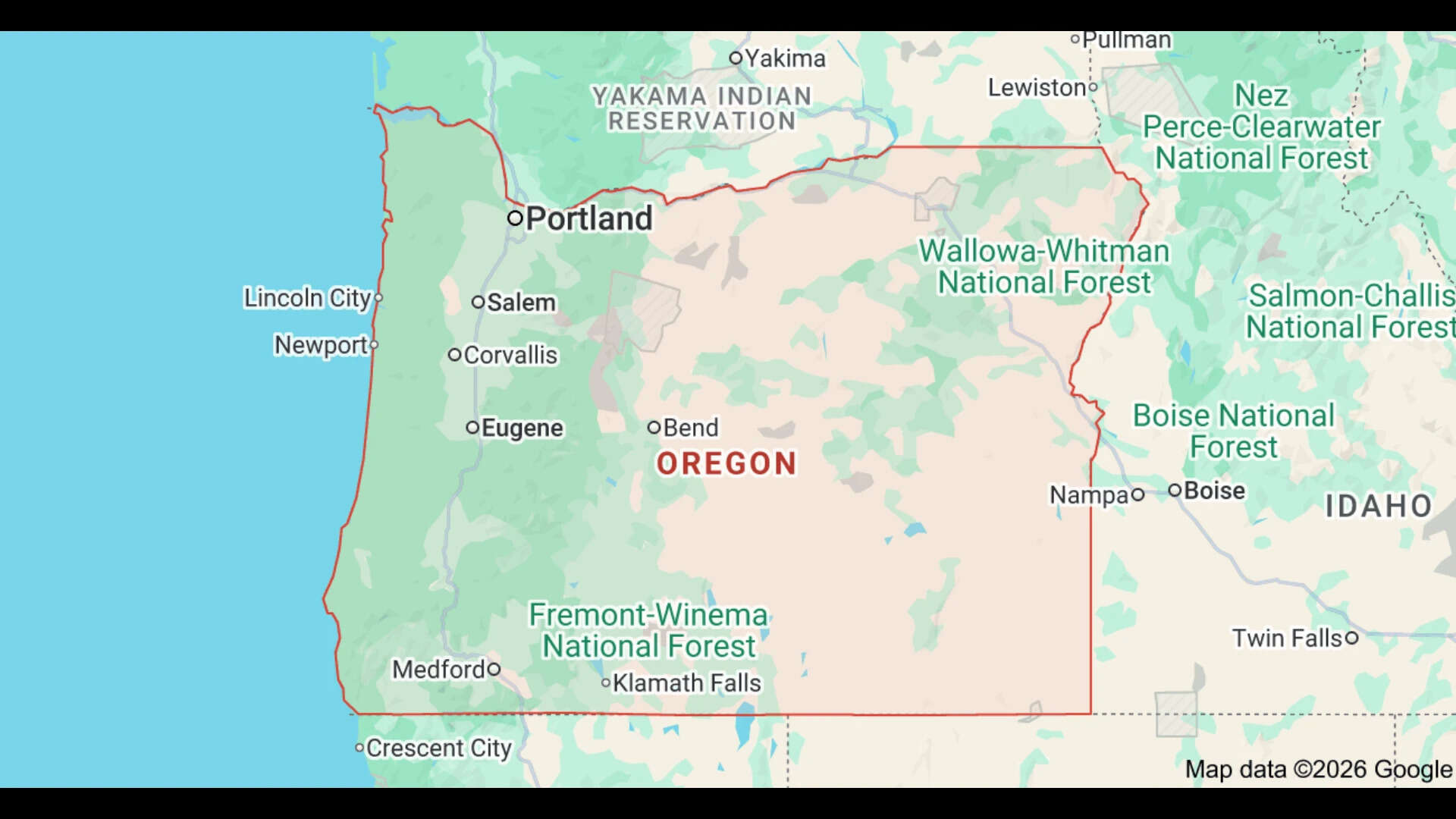
The scheme centered on a business Ali operated in Oregon. To the outside world, it looked like a legitimate medical diagnostic facility. In reality, it was a hollow shell. Federal prosecutors allege that Ali's lab collected samples and billed insurance companies for complex testing that never happened.
Think about that for a second. Patients went to their doctors, provided samples, and waited for results that would determine their treatment. Instead of getting accurate data, they got paperwork generated by a guy sitting behind a desk. He wasn't looking at slides or running sequences. He was looking at bank balances.
The scale of the fraud is staggering. We aren't talking about a few hundred dollars. We're talking about millions in fraudulent billings. He used the names of real doctors—without their knowledge—to sign off on these tests. It's the ultimate betrayal of the patient-provider relationship.
How the LAX Arrest Went Down
Ali knew the walls were closing in. You don't just book a multi-leg flight to a non-extradition country because you want a vacation. He was fleeing. His plan was calculated: fly from the West Coast to Turkey, then hop over the border to Pakistan. Once there, bringing him back to face a US courtroom would’ve been nearly impossible.
Federal agents have a pretty good radar for "flight risks." When Ali showed up at LAX, he wasn't met with a flight attendant. He was met with handcuffs. The Department of Justice had been tracking the money and the movement of the lab’s records. They realized that if they didn't move that day, Ali would be gone.
The arrest was a coordinated effort between the FBI and Health and Human Services (HHS). It highlights a massive gap in our current oversight. If one guy can run a fake lab for years before a "red flag" pops up at an airport, what else is slipping through?
Why This Fraud Matters More Than You Think
Most people hear "healthcare fraud" and think of big insurance companies losing money. You might think, "Who cares? They have plenty." That's the wrong way to look at it.
When a lab fakes a result, the consequences are physical.
- A patient might be told they’re healthy when they’re actually sick.
- Someone might start a toxic treatment they don't actually need.
- Doctors base life-altering decisions on the data provided by these labs.
Ali's Oregon operation bypassed every safety check in the book. By using stolen provider identifiers, he made the lab look credible on paper. He exploited the trust we put in the "system." Honestly, it's terrifying how much damage a person with a little bit of technical knowledge and a lot of greed can do.
The Paper Trail and Stolen Identities
The investigation revealed that Ali wasn't just faking the science. He was faking the people. He used the National Provider Identifier (NPI) numbers of legitimate physicians to "order" tests. These doctors had no idea their names were being used to bill for services in a state where they might not even practice.
This is a classic "ghost" billing tactic. The insurance company sees a valid doctor's name, a valid lab license, and a patient name. They pay the claim. By the time the patient or the doctor realizes something is wrong, the money has already been moved into offshore accounts or spent on a high-stakes escape plan.
The Reality of Healthcare Oversight in 2026
We'd like to think that in 2026, we have some high-tech shield against this kind of thing. We don't. The system is still largely reactive. We catch people like Jahangeer Ali after the damage is done, not while they’re setting up the fake office.
The FBI and the DOJ are getting better at following the "digital breadcrumbs," but the sheer volume of medical claims makes it a needle-in-a-haystack problem. Ali's mistake was his haste. He tried to move too much money too fast, and he tried to leave the country when the heat got too high.
If you're a patient, you have to be your own advocate. It sounds exhausting, but it's the reality. You should always check your Explanation of Benefits (EOB) from your insurance company. If you see a lab charge from a place you’ve never visited or for a test your doctor never mentioned, it’s a massive red flag.
What Happens to Ali Now
Jahangeer Ali is currently facing a laundry list of federal charges, including mail fraud, wire fraud, and aggravated identity theft. Because he was caught while fleeing, his chances of getting bail are basically zero. He's a flight risk in the truest sense of the word.
The government is also looking to seize any assets tied to the Oregon lab. This includes bank accounts, property, and anything bought with the proceeds of the fraud. It’s a long process, but it’s the only way to try and make the victims—even the corporate ones—somewhat whole.
How to Protect Yourself from Medical Identity Theft
You can't stop a criminal from being a criminal, but you can make it harder for them to use your data.
- Review every EOB. Don't just throw them in the trash. Match the dates and the services to your actual doctor visits.
- Guard your insurance card. Treat it like a credit card. Don't give the number out over the phone unless you initiated the call to a known provider.
- Question your doctor. If they say they're sending a sample to a lab, ask which one. A quick search of the lab's name can sometimes reveal if they're a legitimate local facility or a suspicious PO Box operation.
The Jahangeer Ali case is a wake-up call. It shows that the "medical" part of healthcare fraud is often just a front for old-school theft and identity hijacking. He didn't care about the people in Oregon; he cared about the flight to Istanbul.
Report any suspicious medical billing to the HHS Office of Inspector General immediately. You can do this through their online portal or by calling their hotline. Staying silent only helps the next person trying to book a one-way ticket out of the country on your dime.