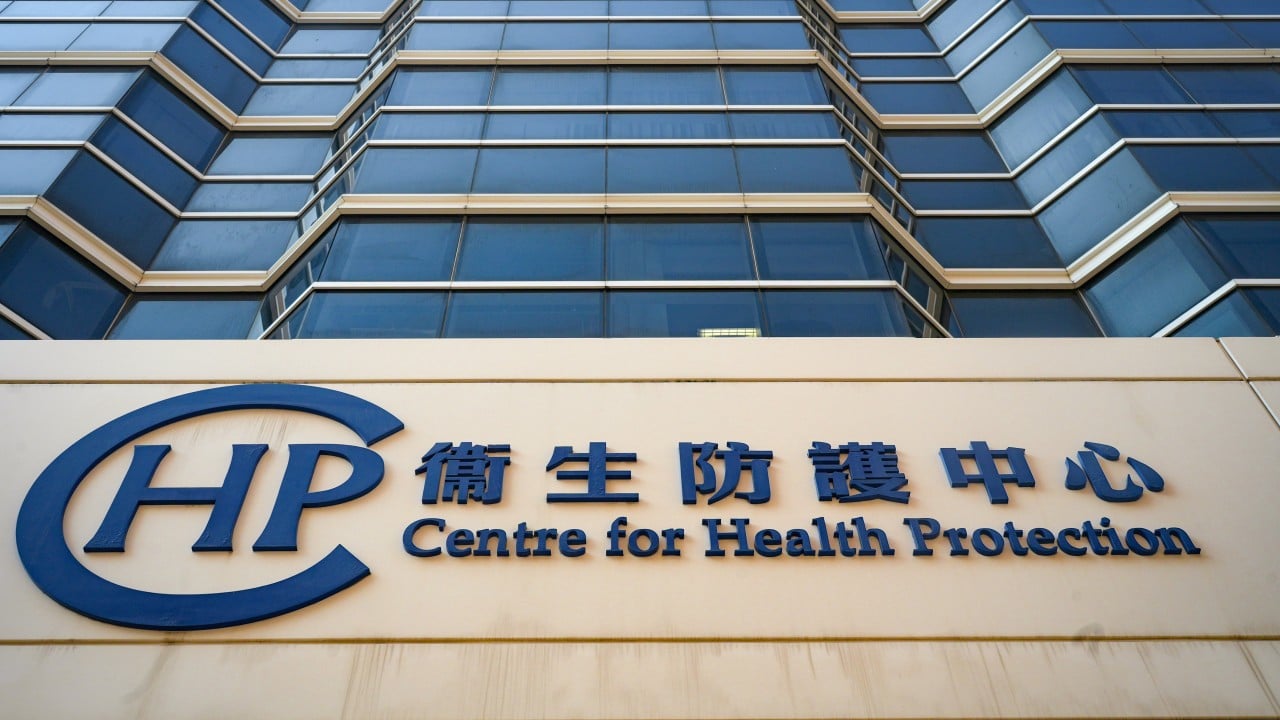
Mass institutional catering operates on a fragile margin of error. When a decentralized supplier manages decentralized distribution to dense populations like schools, a single point of failure in temperature control or sanitation cascades rapidly through the entire consumer base. The recent incident at a Sha Tin school, where thirty-nine individuals fell ill after consuming catered lunch portions, highlights structural vulnerabilities inherent in centralized food preparation models. Traditional reporting frames such events as isolated lapses in hygiene. A rigorous analysis reveals a systemic failure in process design, thermal logistics, and accountability chains.
Understanding why thirty-nine people experienced acute foodborne illness requires breaking down the centralized catering supply chain into discrete operational nodes. Each node represents a potential vector for biological contamination or exponential bacterial proliferation.
The Temporal and Thermal Bottlenecks of Mass Meal Delivery
The primary driver of bacterial growth in institutional food service is the duration meals spend within the danger zone, defined as temperatures between four degrees Celsius and sixty degrees Celsius. In a typical school lunch operation, food undergoes a multi-phase lifecycle:
- Procurement and Preparation: Ingredients are prepped in a central kitchen hours, or sometimes days, in advance.
- Thermal Processing: Cooking destroys active vegetative cells of pathogens such as Bacillus cereus, Salmonella, or Staphylococcus aureus. However, spore-forming bacteria can survive standard cooking temperatures.
- Holding and Packaging: Cooked food is transferred into bulk containers or individual portions. During this phase, temperature stratification frequently occurs. The exterior cools while the core retains heat, or vice versa, creating micro-environments where mesophilic bacteria multiply.
- Transit Logistics: Meals are transported from off-site industrial kitchens to the point of consumption. Traffic congestion, extended delivery routes, and inadequate thermal insulation in transport vehicles allow food temperatures to drift into the danger zone.
- Consumption Delay: Once delivered, meals often sit at ambient room temperature in classrooms or cafeterias for extended periods before consumption.
When portioning occurs at the end-user site—or conversely, when pre-portioned meals lack active thermal maintenance—the risk profile escalates. The Sha Tin incident specifically underscores the risk associated with portioning models. Whether food was portioned centrally and transported or portioned on-site by supplier staff, human touchpoints and exposure duration dictate contamination probability.
The Economics of Scale Versus Biological Safety
Industrial caterers operate on thin margins, forcing optimization strategies that frequently conflict with optimal food safety protocols. To maximize profitability, kitchens rely on batch cooking, early staging, and minimal staffing during transport and distribution.
The economic trade-off introduces specific vulnerabilities:
- Batch Processing Stagnation: Cooking massive quantities of rice, meat, or poultry alters heat transfer dynamics. Center-mass cooling times lengthen, providing an incubation window for spore-forming organisms like Bacillus cereus, which is frequently associated with starchy foods kept at improper temperatures.
- Labor Constraints: Centralized suppliers minimize headcount at client sites. If a supplier utilizes on-site staff for final portioning, those workers may lack rigorous microbiological training, increasing cross-contamination risks via improper utensil handling, inadequate glove hygiene, or surface contact.
- Decentralized Oversight: Regulatory bodies inspect central kitchens, but daily compliance at the distribution endpoint relies entirely on internal operational discipline. When oversight fails at the school level, systemic contamination goes undetected until clinical symptoms manifest among consumers.
The Regulatory and Accountability Vacuum
When an outbreak occurs, the immediate institutional response typically involves cancelling contracts with the supplier and issuing public apologies. This reactive posture ignores the structural incentives that enabled the failure. Accountability in B2B2C food service is fragmented among three distinct entities: the educational institution, the catering vendor, and the regulatory health authority.
Schools lack the technical expertise to audit industrial food safety microbiology in real time. They evaluate caterers based on cost per meal, menu variety, and historical track record rather than continuous microbiological assay data. Conversely, catering vendors optimize for operational throughput and contract retention, treating safety compliance as a static regulatory hurdle rather than a dynamic process control problem.
To eliminate institutional food poisoning events, the operational paradigm must shift from reactive contract termination to continuous process monitoring.
Re-Engineering Institutional Food Logistics
Eliminating the vulnerabilities exposed by the Sha Tin incident requires structural overhauls across three operational dimensions:
First, supply chains must enforce strict continuous thermal monitoring. Transport vehicles cannot rely on passive insulation; they require active temperature-controlled compartments equipped with automated data loggers. If internal food temperatures breach critical thresholds during transit, the entire batch must be systematically quarantined and discarded prior to school entry.
Second, the practice of bulk portioning under uncontrolled environmental conditions must be phased out. Meals should utilize cook-chill or cook-freeze technologies where individual portions are hermetically sealed immediately after thermal processing, stored at precise low temperatures, and subjected to rapid, validated rethermalization directly before consumption. This eliminates intermediate human touchpoints during the critical window when food is cooling or holding at ambient temperatures.
Third, institutional clients must establish independent auditing protocols. Rather than trusting vendor self-reporting, schools or governing educational bodies should mandate real-time hygiene auditing and random microbiological swab testing of delivered meals before distribution begins.
The occurrence of mass illness in an educational setting is not an unpredictable act of nature. It is the mathematical outcome of a supply chain where time, temperature, and touchpoints intersect without sufficient controls. Managing this risk requires treating school lunch distribution with the same rigorous hazard analysis and critical control point discipline applied in pharmaceutical manufacturing.


