Farming is a brutal margin game. Feed prices swing wildly. Energy bills drain bank accounts every single month. Fertilizer costs more than it should, and bedding material for cows keeps climbing. Most operators just accept these bills as the cost of doing business. They grumble, sign the checks, and hope milk prices tick upward next season.
A Massachusetts dairy operation decided to stop complaining and start cooking their own power.
Instead of watching valuable organic resources rot in a lagoon or pay high tipping fees to haul off commercial food scraps, this farm built an anaerobic digestion system. Now, they turn cow manure and local food waste into electricity, heat, and high-grade fertilizer. They slashed their operating expenses, stopped buying commercial inputs, and turned a massive waste management problem into a profit center.
If you think anaerobic digestion is just some experimental green dream for wealthy tech campuses, look closer at the operational math. It changes everything about how a heavy-duty agricultural business survives.
The Real Economics of Agricultural Waste
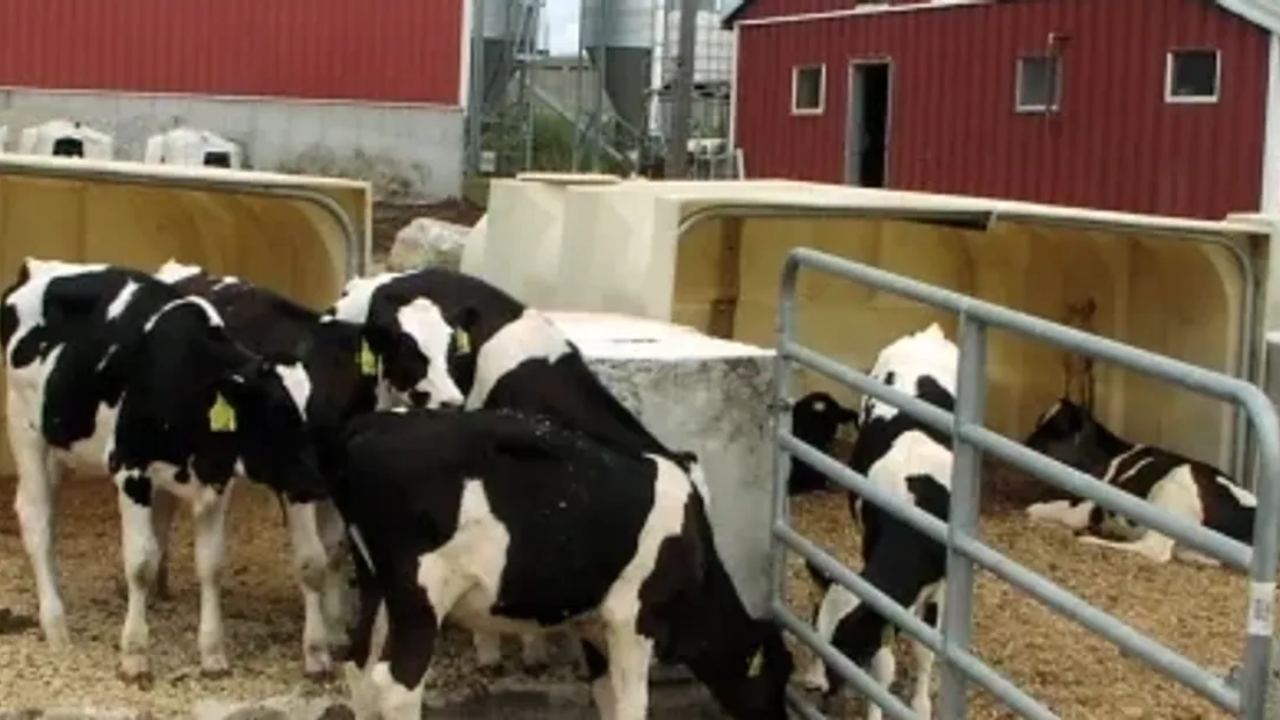
Let's look at what standard dairy farms deal with every single day. Hundreds of cows produce thousands of gallons of manure. Managing that waste takes labor, land management, and careful runoff control to protect local watersheds. It costs real money.
At the same time, grocery stores, restaurants, and food processors throw away truckloads of organic material daily. They need a place to put it. Landfills hate taking food waste because it rots and creates methane gas problems.
This Massachusetts dairy bridged that exact gap. They started accepting commercial food waste and mixing it directly with daily cow manure inside a massive, oxygen-free sealed tank called an anaerobic digester.
Natural bacteria break down the mixture in a heated, controlled environment. What comes out the other side? Biogas, rich in methane, and a nutrient-dense digestate.
The biogas feeds an engine that generates electricity. That electricity powers the entire farm operation, and any leftover juice gets sold back to the local utility grid under net metering agreements. The waste heat from the generator warms the farm's buildings and the digester itself.
You stop buying power from the electric company. You start getting paid for it. That shifts your baseline cost structure overnight.
Closing the Loop on Farm Inputs
Energy generation is only half the win. The real operational magic happens with what is left inside the tank after the digestion process finishes.
Farmers buy chemical fertilizers to boost crop yields for the corn and alfalfa they grow to feed their herds. They buy sawdust or straw for cow bedding to keep the animals clean and comfortable. Those are recurring, painful line items on the balance sheet.
The digestate coming out of the anaerobic system changes the math entirely.
The liquid portion is rich in nitrogen, phosphorus, and potassium, but in a form that crops absorb much faster than raw manure. It smells significantly less than untreated manure, which keeps the neighbors happy. Spreading this processed fertilizer across your fields cuts commercial fertilizer purchases to near zero.
The solid portion gets separated, dried, and reused as livestock bedding. It turns out that sterilized, digested manure solids make a soft, dry, comfortable mattress for a dairy cow.
Think about that supply chain loop. You take waste, generate power, heat your facilities, fertilize your own feed crops, and make your own bedding. You insulate your entire business from supply chain shocks, inflation, and soaring utility rates.
Why More Farms Aren't Doing This Tomorrow
If turning trash into electricity and free fertilizer sounds like a no-brainer, you have to ask why every dairy in the country hasn't built one.
The hurdle is entirely capital and complexity.
Building an anaerobic digester requires serious upfront investment. We are talking about millions of dollars for tanks, pumps, generators, and separation equipment. Small family farms simply don't have that kind of cash sitting in a checking account, and traditional bank lenders often look at agricultural tech projects with deep skepticism.
Permitting is another nightmare. Local zoning boards get nervous when you mention food waste processing, even if it is enclosed and carefully regulated. You need air permits, waste management licenses, and interconnection agreements with the local electric utility. Those approvals take patience, deep pockets, and expensive engineering consultants.
Maintenance demands technical competence. A digester is a living biological system. If a truckload of food waste comes in with too much salt, cleaning agents, or heavy plastics, it can kill the bacteria inside the tank. When the biology crashes, gas production stops. Getting the system healthy again takes weeks of careful chemistry and oversight.
This isn't a passive investment. It is a secondary processing business operating right next to the milking parlor.
How to Evaluate Biogas Potential for Your Operation
If you run a large agricultural facility or advise rural businesses looking at renewable energy, you have to look past the marketing hype and run the actual numbers.
Herd size dictates baseline gas potential. Most industry experts agree you need a minimum of five hundred to a thousand cows to generate enough consistent manure volume to make a standalone digester economically viable. Smaller farms have to rely heavily on co-digesting high-energy food waste to get the gas yields high enough to justify the capital cost.
Location matters just as much as herd size. Are you close enough to population centers or food distribution hubs to source consistent food waste? If hauling costs eat up all your tipping fees, the project stalls. You need a steady stream of commercial partners who will pay you to take their organic waste off their hands.
Grid interconnection rules vary wildly by region. Some utility companies welcome distributed renewable generation with open arms and smooth approval processes. Others drag their feet, impose massive interconnection studies, or limit how much power you can feed back into their lines.
Check your local state incentives, too. States with aggressive carbon reduction mandates often offer clean energy certificates, grants, or favorable tax structures that tilt the financial payback period from twelve years down to five or six.
Moving Forward With Biological Energy
The operational playbook is proven. Turning cow manure and local food waste into energy, heat, and fertilizer isn't theoretical anymore. It is happening on real working farms that refuse to let rising overhead eat their profits.
The dairy farms that figure out how to monetize their waste streams will outlast the ones waiting for commodity milk prices to bail them out. Stop viewing waste as a disposal cost. Start treating it as raw material for your next profit center.