One thirty-second television spot did more damage to Democratic unity in Michigan than a dozen Republican talking points ever could.
If you've followed Midwestern politics over the last decade, you know Michigan isn't just another swing state—it's a barroom brawl disguised as an election map. Every primary season, internal party tensions simmer just beneath the surface. Usually, party leaders keep the lid on tight until November. Then came the attack ad that split the Democrats in Michigan, turning a routine intra-party disagreement into a public civil war over campaign finance, progressive purity, and what it actually takes to win working-class voters.
Honestly, most political observers outside the Great Lakes State missed why this specific commercial hit such a raw nerve. To understand the fallout, you have to look past the surface-level mudslinging. It wasn't just about one candidate taking a cheap shot at another. It was about a fundamental identity crisis inside the Michigan Democratic Party—a clash between establishment pragmatists backed by big-dollar super PACs and a surging progressive base tired of compromise.
The Anatomy of the Ad That Broke the Truce
Political attack ads are nothing new. Voters in Detroit, Grand Rapids, and Flint get bombarded with them from August through November every two years. Most roll right off people's backs.
This one didn't.
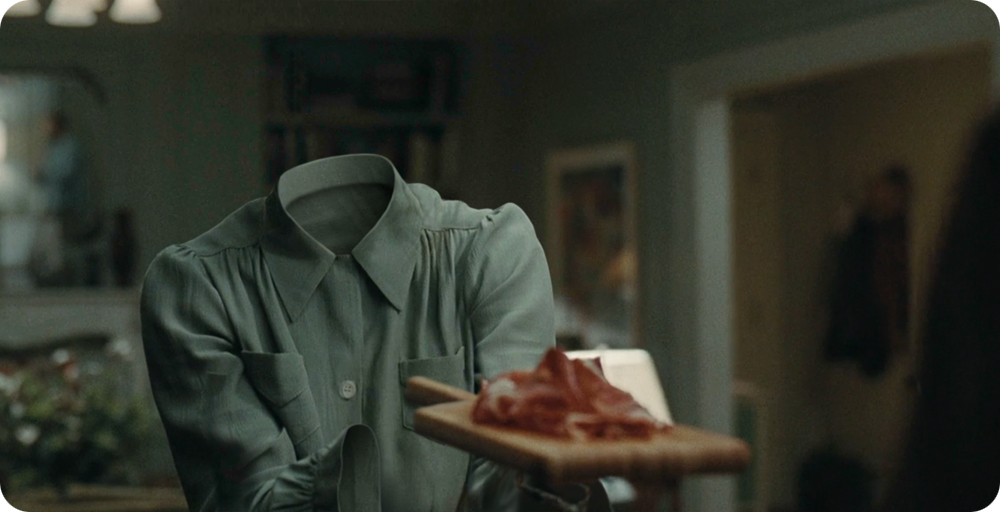
The commercial targeted a prominent Democratic contender during a high-stakes primary battle, zeroing in on past policy votes, donor ties, and perceived ideological flip-flops. Instead of framing the differences as a healthy debate between allies, the spot used harsh, general-election-style imagery and ominous voiceovers usually reserved for Republican opponents. It painted a fellow Democrat not just as wrong on the issues, but as fundamentally untrustworthy.
Here's why that crossed an unwritten line. In Michigan primaries, candidates typically abide by Ronald Reagan's famous Eleventh Commandment—translated for Democrats as "thou shalt not hand the GOP free ammunition for the fall." When a Democratic campaign or an aligned super PAC airs a brutal takedown in July, Republican opposition researchers don't even have to work overtime. They just clip the video, slap their own disclaimer on the end, and run it in Macomb County all October.
Party insiders were furious. Within hours of the ad hitting broadcast and digital platforms across the Detroit media market, phone lines between Lansing and Washington lit up. Moderates accused progressives of sabotaging electability. Progressives fired back that the establishment was trying to buy the nomination while silencing legitimate policy critiques.
Why Michigan Democrats Were Already on Edge
You don't blow up a coalition with a single match unless the room is already full of gas. Michigan's Democratic Party had been sitting on a powder keg long before the first frame of that ad ever aired.
Look at the geography and demographics of the state. To win statewide in Michigan, a Democrat needs massive turnout and overwhelming margins in Wayne County, strong support in college towns like Ann Arbor and East Lansing, and just enough blue-collar union votes in places like Saginaw, Bay City, and Macomb County to hold off rural red counties up north.
Keeping all those groups happy at the same time is a nightmare.
- The Union Rank-and-File: Auto workers and building trades members care deeply about manufacturing jobs, energy costs, and kitchen-table economics. Many feel left behind by rapid shifts in industrial policy.
- The Urban and Progressive Base: Voters in Detroit, Dearborn, and university hubs demand bold action on civil rights, healthcare, environmental justice, and foreign policy. They're tired of being told to wait their turn.
- Suburban Moderates: College-educated voters in Oakland and Kent counties fled the GOP in recent cycles, but they get nervous when primary rhetoric drifts too far left.
When you run an attack ad that exploits the exact fault lines separating these groups, the damage spreads fast. A commercial attacking a candidate's environmental record might play great in Washtenaw County while alienating union members in Flint. Conversely, an ad slamming a progressive for being "out of touch" with working families plays straight into the hands of moderate suburbanites while infuriating young organizers in Detroit.
I've watched campaign managers try to thread this needle for years. Most fail because they treat primary voters like a monolith. They aren't. They're three or four distinct coalitions sharing a single ballot line out of necessity, not affection.
The Dark Money Factor Nobody Wanted to Talk About
What turned a messy primary fight into an outright revolt wasn't just the script of the ad—it was who paid for it.
In modern Democratic politics, few phrases trigger an allergic reaction faster than "outside super PAC money." When independent expenditure groups dump millions of dollars into a Michigan primary, local activists immediately start asking questions. Where did the cash come from? Which corporate lobbyists or out-of-state billionaires funded the media buy? And what do they expect in return once the winner takes office?
The ad in question benefited from heavy financial backing that dwarfed the grassroots fundraising of local contenders. While campaign finance laws strictly prohibit direct coordination between candidates and super PACs, voters rarely care about legal technicalities. When they see an attack ad every time they turn on the local evening news, they blame the candidate who stands to benefit.
This dynamic exposed a massive hypocrisy gap that critics were quick to hammer. For years, Democrats have campaigned on overturning Citizens United and getting big money out of politics. Watching an allied group use the exact same dark-money playbook to kneecap a fellow Democrat felt like a betrayal to thousands of precinct delegates and small-dollar donors.
How Media Buys Distort Primary Debates
When an outside group drops seven figures on broadcast television in a primary, it fundamentally changes the conversation. Suddenly, the candidate with fewer financial resources isn't talking about their economic plan or healthcare proposals anymore. They're spending every waking hour and every donated dollar just trying to debunk a thirty-second smear.
That's the real power of an early attack ad. It doesn't even have to convince voters on the merits. It just forces the target onto defense, drains their bank account before the general election, and poisons the well for whoever eventually wins the nomination.
The Fallout Among Voters and Grassroots Organizers
If you want to know how badly an attack ad hurts a party, don't ask the political consultants in Washington. Ask the volunteers knocking on doors in Dearborn or the union stewards handing out slate cards at shift change in Warren.
Those are the people who actually win elections in Michigan. They aren't paid staffers. They give up their Saturday mornings in October because they believe in a shared cause.
After the ad ran, local party meetings across the state turned tense. Longtime allies stopped speaking to one another. Several prominent local leaders publicly condemned the spot, calling on the campaign to disavow the messaging immediately. Others defended it as fair game in a tough political environment, arguing that voters deserved to know every candidate's full record before casting a ballot.
The problem is that primary bitterness doesn't magically evaporate the morning after election day.
When supporters of a losing candidate feel their side was smeared unfairly—especially with help from big-money outsiders—a predictable percentage of them simply stay home in November. In a state like Michigan, where presidential and statewide races are routinely decided by ten or twenty thousand votes, losing even two percent of your base can flip the entire state.
What Political Strategists Get Wrong About Negative Primary Ads
There's an old piece of conventional wisdom among campaign consultants that "negative ads work." Data from firms like the Wesleyan Media Project consistently shows that contrast ads can move poll numbers quickly, especially among undecided voters who aren't paying close attention until the final weeks before a primary.
That's true in a vacuum. It's terrible advice in a purple state.
Consultants get paid a percentage of the media buy. Their financial incentive is to put the sharpest, most emotionally gripping spot on the airwaves to win Tuesday's primary. They don't have to stick around in November to rebuild a fractured coalition. Local party chairs and county leaders do.
Here's what the textbook strategists miss when they drop a scorched-earth ad in a Michigan primary:
- Primary voters have long memories. Unlike general election swing voters who tune in late, primary voters are deeply invested. Insulting their preferred candidate feels like a personal insult to their own judgment.
- Media amplification multiplies the harm. Local political reporters love a good intra-party brawl. A single negative ad generates days of free press coverage—not about Democratic accomplishments, but about Democratic dysfunction.
- Donor fatigue sets in immediately. Small-dollar donors hate watching their $25 contributions get burned up in circular firing squads. Once they close their wallets in August, getting them to open back up in October is nearly impossible.
How Campaigns Can Fight Hard Without Destroying the Coalition
Primary elections shouldn't be coronations. Voters deserve real choices, sharp policy debates, and rigorous scrutiny of every candidate's record. Nobody wants a rubber-stamp process where tough questions are off-limits.
There's a massive difference, though, between a sharp policy contrast and a character assassination.
Smart campaigns draw a clear line between the two. You can point out that your opponent voted against a key labor bill or took contributions from an industry you oppose without using Republican framing or questioning their basic decency. You can highlight your own record of delivering results for Michigan families while keeping the focus squarely on the future of the state.
If you're working on a campaign, running a local political organization, or just trying to make sense of primary season noise as a voter, keep three practical rules in mind:
- Follow the disclaimer, not just the face on screen. Always look at the fine print at the bottom of a political ad. Knowing whether a spot was funded by a candidate's grassroots committee or an anonymous out-of-state PAC tells you everything about who is trying to manipulate your vote.
- Demand receipts on policy claims. Attack ads thrive on out-of-context votes and cherry-picked quotes. Before letting a thirty-second commercial change your mind, check the actual bill numbers and full voting records through nonpartisan trackers like Vote Smart or Ballopedia.
- Hold candidates accountable for their allies. Candidates love to claim they have "no control" over what super PACs say on their behalf. Don't buy it. Any candidate with real leadership ability can step up to a microphone and publicly ask outside groups to pull a divisive ad off the air.
Michigan politics will never be polite, and nobody expects it to be. Tough primaries forge stronger candidates—right up until the moment someone forgets who the real opponent actually is.