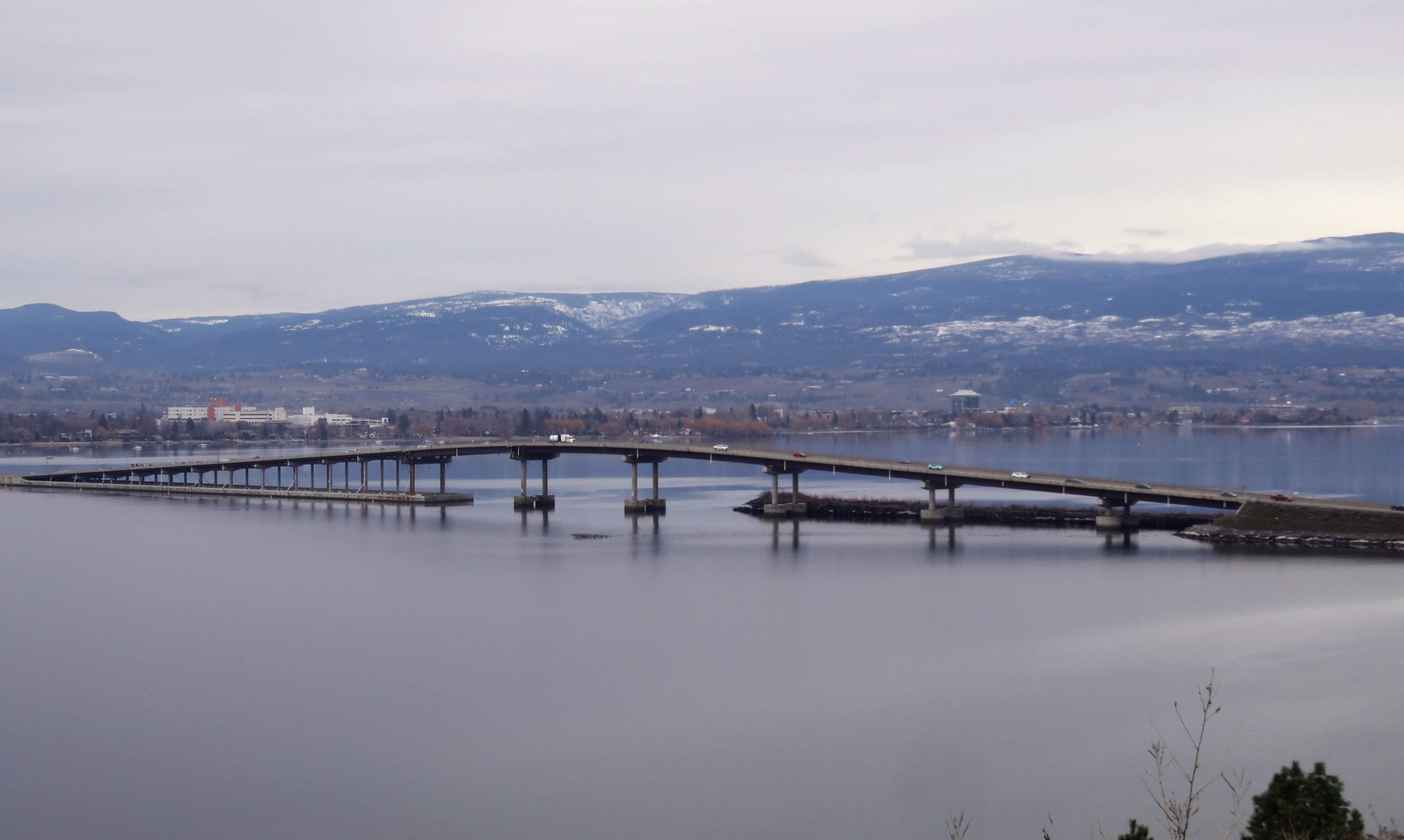
If you live anywhere near Kelowna or West Kelowna, you already know the sinking feeling of staring at a wall of brake lights on the William R. Bennett Bridge. It is the literal bottleneck of the region. Every time British Columbians head to the polls, politicians roll out fresh promises about fixing it.
Yet, years roll by, traffic worsens, and we are left with the same old gridlock. The debate over a second lake crossing resurfaced prominently during the provincial election cycle, and honestly, it is time to look past the political posturing to see what is actually happening. Recently making headlines in related news: Why Blaming Tribalism for South Sudan is Lazy Journalism.
The Chronic Headache of the W.R. Bennett Bridge
The W.R. Bennett Bridge handles tens of thousands of vehicles daily, acting as the solitary arterial stitch connecting West Kelowna to Kelowna. When an accident happens, or when summer tourism peaks, the entire region grinds to a halt. Emergency response times stretch out. Commuters lose hours of their weeks idling on asphalt.
Back in 2014, the idea of a second crossing was floated by former premier Christy Clark. Since then, the conversation has morphed into a perennial political football. Candidates drop ambitious timelines and bold construction pledges to capture local votes, only for reality to set in once the ballots are counted. Further details on this are explored by The Guardian.
Political Promises Versus Engineering Realities
During the recent election campaigns, the pressure on regional infrastructure reached a boiling point. The BC Conservatives staked out aggressive positions, promising accelerated planning and targeted timelines to get a second crossing built by the early 2030s. Meanwhile, local NDP candidates and incumbent voices faced heavy scrutiny over how long provincial funding has stalled.
Building a major bridge or alternate highway corridor across Okanagan Lake isn't just about pouring concrete. The geography is complex. Environmental assessments, municipal coordination, and massive capital costs create massive hurdles. Politicians love to talk about shovels in the ground, but they rarely talk about the multi-year bureaucratic marathon required to get a project of this scale approved.
Why Fixing This Matters for the Local Economy
This isn't just a commuter annoyance. It is an economic bottleneck. Businesses struggle with supply chain delays, and workforce mobility is severely restricted when your entire regional economy relies on a single span of concrete. If you want to recruit talent to the Central Okanagan, telling them they will sit in bridge traffic for an hour each way is a tough sell.
Voters are growing cynical because the promises always sound the same, while the traffic gets denser. Every election brings a fresh batch of artists' renderings and feasibility studies, but concrete progress moves at a glacial pace.
If regional leaders want to earn trust, they need to stop treating the second crossing as a handy election soundbite. It requires bipartisan commitment, transparent funding models, and an honest timeline that respects the daily frustrations of the people who live here. Until then, keep a good podcast downloaded for your morning commute.
This video provides a full recording of the B.C. election leaders debate, where regional infrastructure and the cross-lake transit debate were front and center.