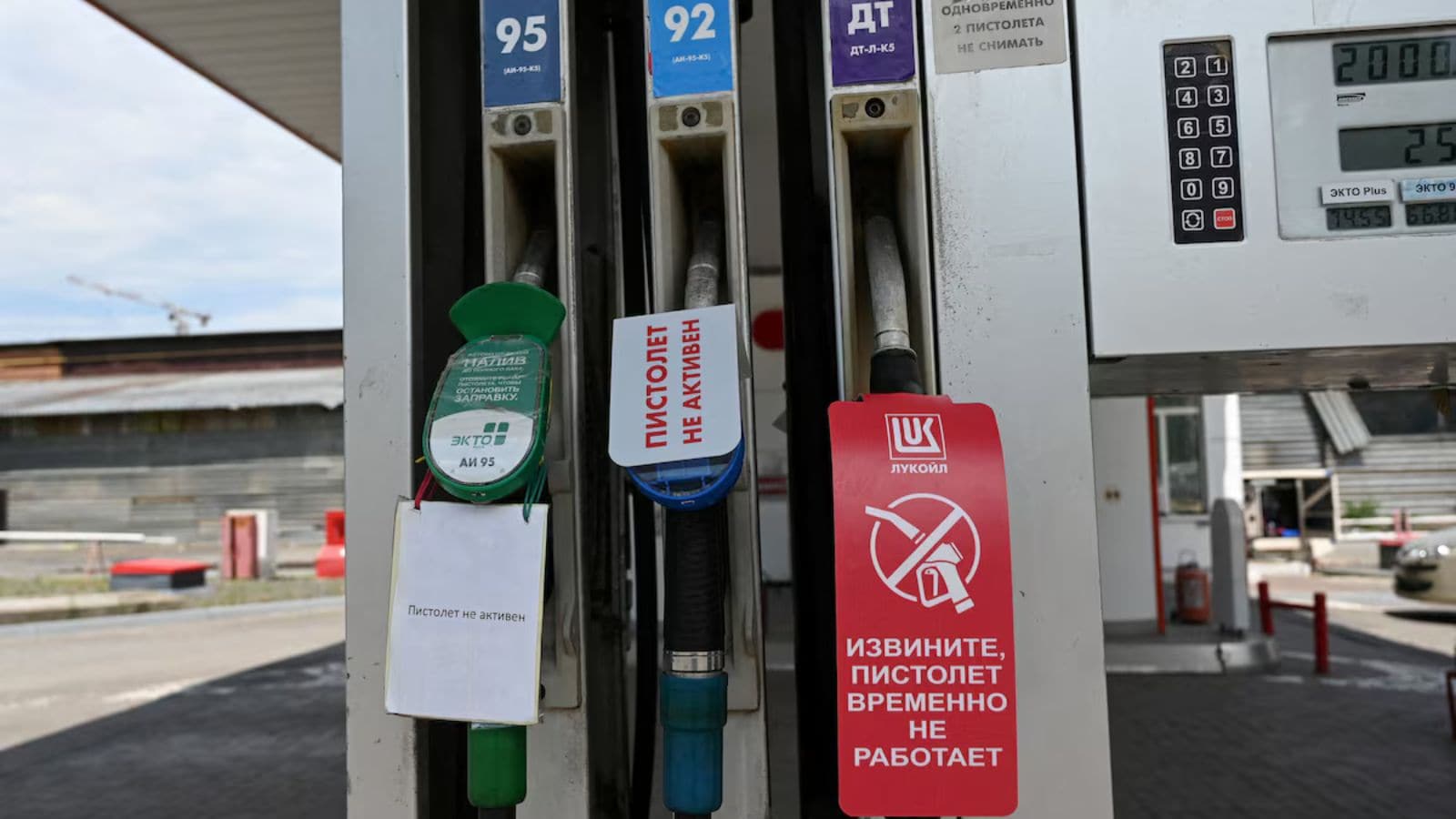
ExxonMobil and Chevron just posted staggering financial windfalls, fueled by surging oil prices triggered directly by the escalating war involving Iran. As geopolitical tensions choke crude supplies through critical maritime chokepoints, the two largest American energy companies are reporting billions in quarterly profits. Everyday motorists and commercial freight operators absorb the immediate pain at the pump, paying heavily for a crisis manufactured thousands of miles away.
This financial surge is not merely a byproduct of basic supply and demand. It is the predictable outcome of an entrenched global energy architecture designed to maximize returns for shareholders during systemic shocks. When Middle Eastern hostilities flare up, wholesale barrel prices spike within hours. Retail fuel prices follow almost immediately, long before a single tanker's route is actually altered. Energy majors collect the arbitrage between legacy extraction costs and panic-driven market rates, padding corporate balance sheets while inflation strains consumer wallets.
The Mechanics of Wartime Windfalls
To understand how an Iran conflict instantly translates into record quarterly earnings for Houston and San Ramon, you have to look past the political rhetoric and examine the logistics of global crude benchmarks. Oil pricing operates on futures markets driven heavily by sentiment, risk assessment, and immediate supply disruption fears.
When military action threatens the Strait of Hormuz, through which roughly a fifth of the world's petroleum passes, traders panic. Brent crude and West Texas Intermediate futures jump. Exxon and Chevron own massive portfolios of upstream assets—production fields, offshore rigs, and extraction infrastructure—that operate on fixed capital expenditure budgets. The cost to pull a barrel of oil out of the Permian Basin or offshore Guyana does not double simply because geopolitical risk premiums skyrocket.
Instead, the baseline cost of production remains relatively stable while the sales price climbs by twenty or thirty dollars a barrel. That delta goes straight to net income. Refining operations add another layer of profit protection. Integrated majors often buy crude, refine it into gasoline or diesel, and sell the finished product. During supply crunches, refining margins frequently expand because panic buying outpaces manufacturing capacity.
Historical Echoes and Capital Allocation
This script is familiar. We saw the exact same mechanism play out during the initial invasion of Ukraine in 2022. Energy executives faced intense public scrutiny and congressional hearings as profits hit historic highs while inflation gripped Western economies. Back then, industry leaders promised restraint, hinting at massive capital investments in domestic production to stabilize long-term pricing.
Did that happen? Partially, but with a major catch.
Instead of pouring every extra dollar into drilling new wells—which would eventually drive prices down and hurt long-term margins—management teams favored strict capital discipline. They prioritized aggressive share buybacks and dividend hikes to appease institutional investors and Wall Street analysts.
Institutional asset managers wield immense influence over corporate boards. When cash floods in from a war-driven price spike, shareholders demand immediate returns rather than speculative long-term exploration projects that take a decade to bear fruit. Exxon and Chevron delivered. Billions were funneled back to investors via stock repurchases, keeping share prices high even as macroeconomic pressures mounted for the rest of the market.
The Strategic Vulnerability of Global Supply Chains
The deeper issue underlying these corporate earnings reports is systemic fragility. Modern energy infrastructure depends on a precarious balance of international stability. When the Iranian government or proxy networks threaten regional shipping lanes, the vulnerability of Western energy supplies is exposed for all to see.
Strategic Petroleum Reserves offer a temporary cushion, but they are finite tools designed for true emergencies, not multi-year geopolitical stalemates. Releasing millions of barrels from government stockpiles lowers prices temporarily, yet it does nothing to fix the underlying physical risk in the Middle East. Energy traders know the reserves will eventually need replenishment, which often creates a secondary buying floor that supports high prices.
Refining capacity presents an equally stubborn bottleneck. The United States has not built a major new grass-roots oil refinery in decades. Environmental regulations, high capital costs, and the long-term transition toward renewable energy sources have discouraged massive capital investments in traditional refining infrastructure. When a supply shock hits, existing refineries run near maximum capacity. Any unexpected maintenance outage at a major facility acts as an artificial amplifier, driving regional fuel prices even higher and boosting refining profits further.
Consumer Realities and Economic Ripple Effects
While corporate treasuries swell, the rest of the economy absorbs the shockwaves. Transportation costs dictate the price of virtually every physical good on store shelves. When diesel prices jump due to Middle Eastern conflict, shipping companies pass those costs down the supply chain. Groceries, construction materials, and manufacturing components all become more expensive.
Politicians frequently respond to high fuel prices by proposing temporary gas tax holidays or threatening windfall profit taxes. Economists generally view gas tax suspensions with skepticism, noting that savings are rarely passed down fully to consumers and often deplete state highway funds needed for infrastructure maintenance. Windfall profit taxes face massive legislative hurdles and can disincentivize companies from investing in emergency production boosts when the market needs them most.
Energy markets remain tethered to the whims of geopolitical conflict. As long as the Iran crisis persists, price volatility will remain the baseline standard. Exxon and Chevron will continue to post formidable earnings reports, proving once again that in the modern global economy, conflict remains remarkably lucrative for those who control the raw materials.