For months, Washington defense hawks and financial commentators have fixated on a shiny new distraction: a fifteen-billion-dollar overland oil pipeline designed to bypass the Strait of Hormuz. The mainstream narrative treats this infrastructure proposal as a stroke of strategic genius—a masterclass in neutralizing Iranian leverage over global energy markets. Headlines hyperventilate over diplomatic conflicts of interest, corporate ties, and the logistics of pumping Iraqi crude directly to the Mediterranean.
It is all a massive smoke screen.
Anyone who has spent more than five minutes analyzing regional logistics knows that pipelines do not solve geopolitical choke points; they simply relocate them into more volatile territory. The lazy consensus gripping foreign policy circles assumes that physical steel pipes resting on sand are somehow immune to politics, sabotage, and local militia friction. That fantasy ignores the brutal realities of Middle Eastern energy transit.
Let us define what this pipeline actually is: an expensive piece of corporate pipe-dreaming wrapped in nationalist rhetoric. Treasury Secretary Scott Bessent famously declared that the Strait of Hormuz could become a worthless strip of water once land routes come online. That sounds great in a press briefing room, but it collapses the moment it encounters actual ground truth.
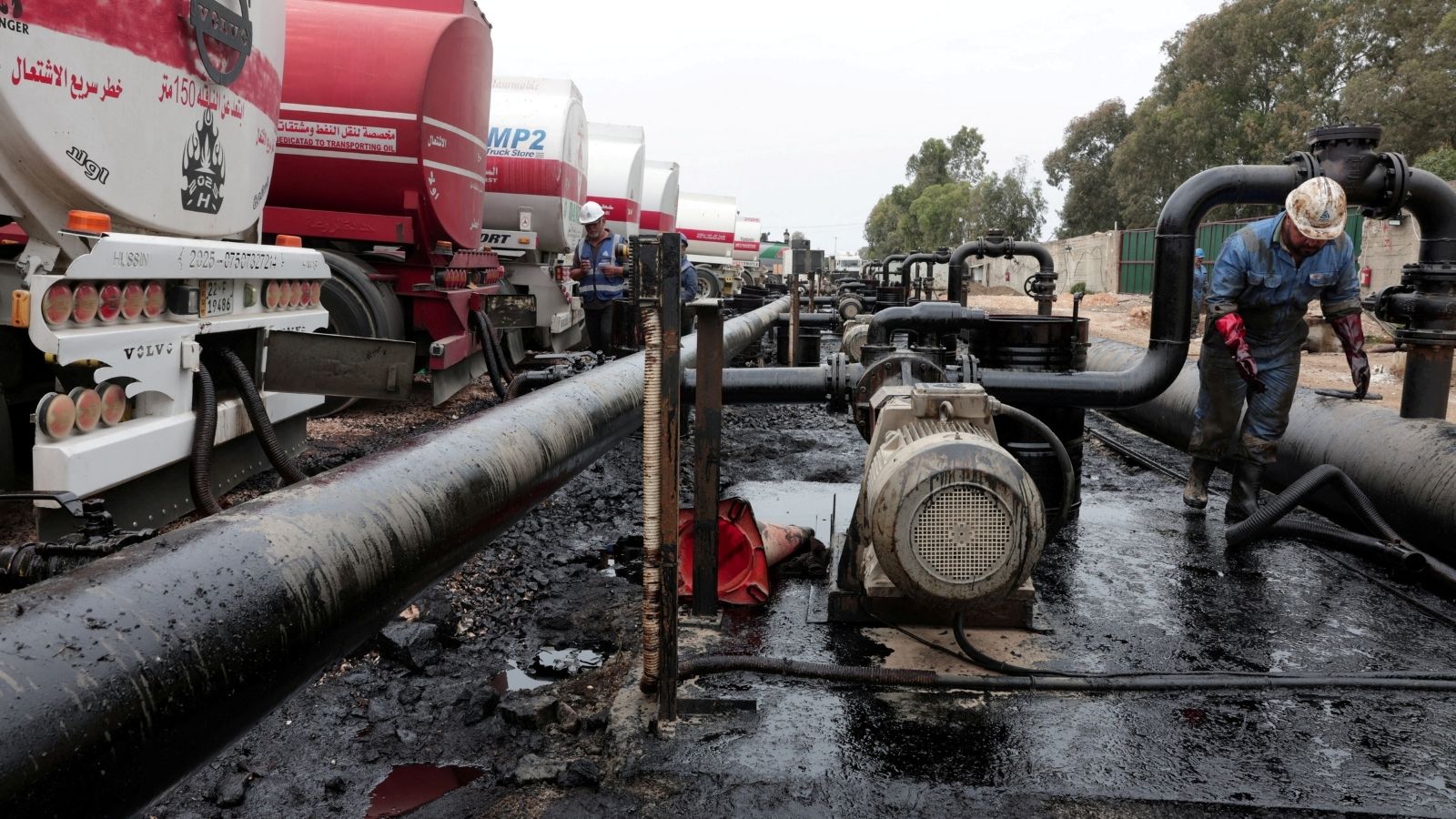
To understand why the fifteen-billion-dollar bypass is a dead end, you have to look at the security architecture of the region. The proposed routes snake through jurisdictions where state authority is fragile at best and violently contested at worst. A maritime tanker passing through Hormuz can be tracked, insured, and protected by international navies. A subterranean or overland pipeline spanning hundreds of miles of desert terrain cannot be guarded by an aircraft carrier strike group. It is a stationary, linear target sitting squarely in regions riddled with proxy conflicts, insurgencies, and shifting tribal loyalties.
When analysts argue that land corridors offer security independence, they conveniently gloss over the maintenance nightmare and the sheer vulnerability of the endpoints. Iraq's export infrastructure has historically been a prime casualty of internal political instability. Adding a multi-billion-dollar megaproject across international borders does not insulate the flow of oil; it multiplies the number of hostile actors who can hold the global economy hostage with a single explosive charge. You are not escaping a choke point. You are trading a single maritime bottleneck for a thousand miles of unprotected vulnerability.
Furthermore, the fixation on financial ties misses the bigger economic picture. Capital allocation for energy infrastructure requires long-term investor confidence. Private markets are not going to pour billions into a transnational pipeline project through high-risk zones based on a two-year political whim. The math does not clear the hurdle rate when factoring in the cost of physical security, insurance premiums against state-level sabotage, and the inevitable regulatory extortion from transit states.
If Washington genuinely wanted to blunt energy coercion, the solution was never pouring concrete across the Levant. The real answer lies in domestic efficiency, accelerated grid electrification, and localized redundancy—none of which require cutting side deals for megaprojects in active conflict zones.
The fifteen-billion-dollar pipeline is not a strategic roadmap. It is a monument to magical thinking, built on the dangerous illusion that geography can be engineered away by a stroke of a pen.
Stop looking at the pipeline. The pipe is a distraction, and the chokepoint was never just about water.
Trump's energy adviser calls for new Gulf oil routes to bypass Hormuz
This video breaks down the official arguments and strategic motivations driving the debate over establishing alternative Gulf oil transit corridors.