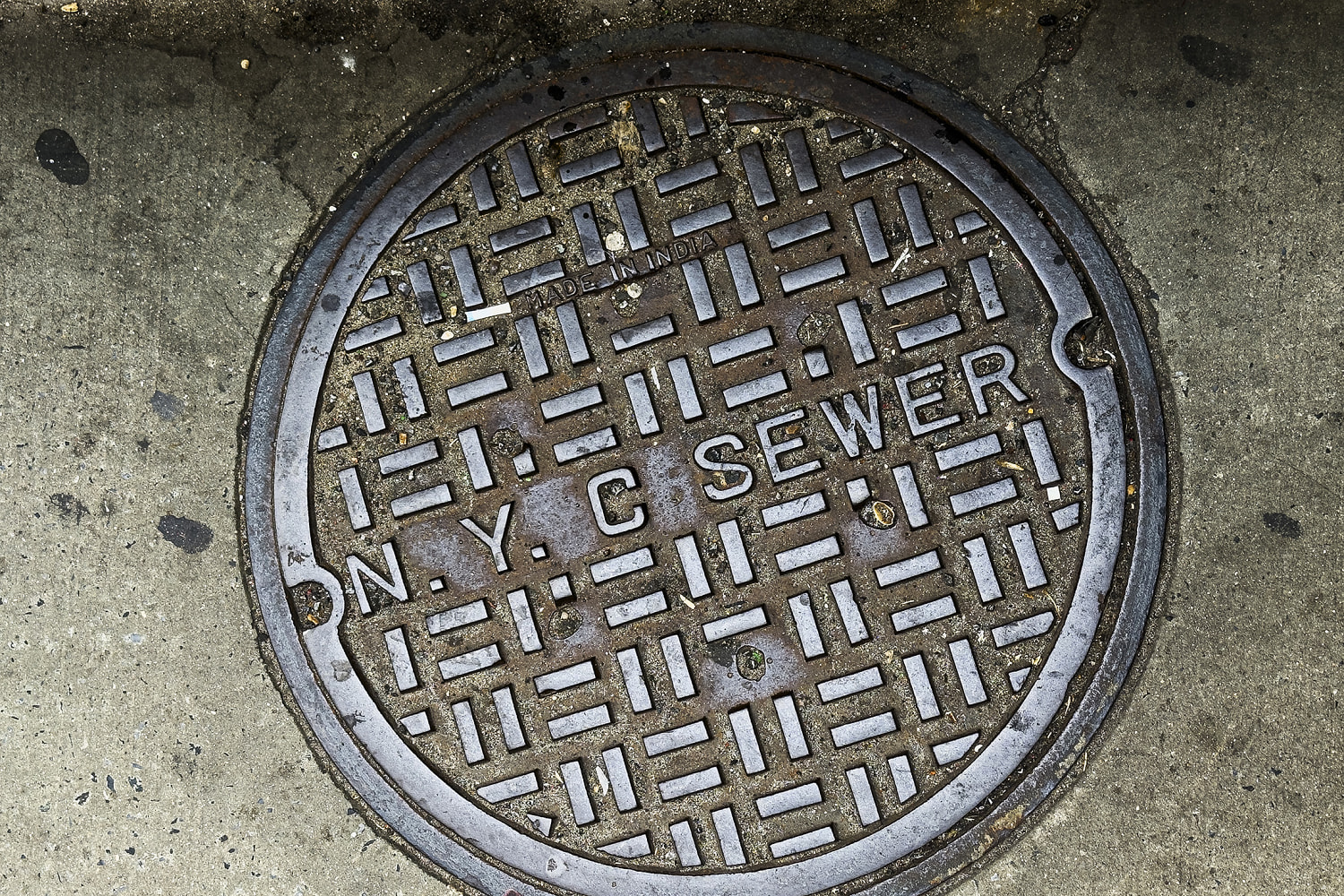
TikTok algorithms love a good mystery. Lately, your feed has probably served up shaky phone footage of men lifting heavy iron grates and emerging from the dark, wet underbelly of New York City. The comments sections are a mess of conspiracy theories. People talk about secret subterranean societies, lizard people, or elaborate criminal syndicates. The New York City Police Department is actually looking into these clips.
But let's look past the viral panic. In related news, take a look at: The Illusion of Escalation in the Arabian Gulf.
Social media treats this like a brand new horror movie plot. It isn't. The real story behind people living, traveling, and escaping into the city's utility infrastructure is decades old, deeply depressing, and completely misunderstood by the people hitting the share button.
What the Viral NYC Sewer Videos Actually Show
Most of the footage circulating right now follows a specific pattern. A pedestrian spots a manhole cover or a sidewalk grate shifting in broad daylight. A head pops out. A person climbs into the street, dusts themselves off, and walks away like they just stepped off a bus. BBC News has provided coverage on this important issue in extensive detail.
The NYPD transit bureau routinely monitors these reports. Underground trespassing isn't just illegal. It's incredibly lethal.
The immediate assumption is that these individuals are living in the sewers. That's almost certainly wrong. If you understand how New York infrastructure works, you know that the actual sanitary sewer system is full of toxic gases like hydrogen sulfide. It's wet, tight, and suffocating. You don't just hang out there and pop up looking clean.
Instead, these videos usually capture people accessing three specific types of underground spaces.
- Active and Abandoned Subway Tunnels: The MTA network is full of old layup tracks, disused stations like the famous City Hall stop, and mechanical rooms.
- Utility Conduits: Massive trenches managed by companies like Con Edison that house electrical cables and steam pipes.
- Storm Drains: Large, dry-weather concrete channels meant for rainwater overflow, not raw sewage.
Urban explorers and vulnerable populations know these entry points. When you see someone climb out of a street grate, they aren't coming from a mythical subterranean city. They're likely coming from an old Amtrak tunnel or a subway ventilation shaft.
Why the Mole People Myth Persists
We can't talk about this without mentioning Jennifer Toth’s 1993 book The Mole People. It popularized the idea that thousands of people live in structured, hierarchical societies beneath Manhattan. It was a gripping narrative. It was also widely criticized by advocate groups and transit experts for exaggerating the organized nature of underground living.
The reality is much more fragmented.
People seek shelter underground for basic survival. Above-ground shelters can be dangerous, bureaucratic, and chaotic. A deep tunnel offers consistent temperatures. It keeps you warm in January and cool in July.
Urban historian Jennifer Ochoa has noted in past housing studies that the subterranean population fluctuates wildly based on city enforcement. When the NYPD clears out above-ground encampments, people go down. When the MTA does a sweep of the tunnels, people come back up. It’s a brutal game of geographic whack-a-mole.
The Massive Risks of Going Subterranean
The kids on TikTok filming these videos treat it like a game. They think it’s an urban adventure. It’s a miracle more of them don't die.
The underground network of New York is an industrial hazard zone. The third rail on subway tracks carries 600 volts of direct current. Touch it and you die instantly. Then you have the trains themselves. In narrow tunnels, there are tiny safety niches in the walls called "refuges." If you don't know where they are when an express train rounds a blind curve, you get crushed.
Steam pipes are another silent killer. Con Edison’s steam system operates at temperatures up to 350 degrees Fahrenheit. A pinhole leak in a high-pressure steam line can slice through human flesh like a laser.
The NYPD investigates these videos because every single trespasser represents a massive liability. If a trespasser cuts a power line or triggers an emergency brake, entire subway lines grind to a halt. Hundreds of thousands of commuters get stranded because someone wanted a viral video.
Urban Exploration Has Turned Toxically Commercial
Social media changed the demographics of the tunnels. It used to be that only two groups went down there: the chronically homeless seeking shelter, and a tiny, tight-lipped community of urban explorers who followed a strict code of leaving no trace.
Now it's content creation.
Amateur creators buy cheap headlamps, track down maps on Reddit forums, and pry open emergency exits to get footage. They do it for the views. They don't know the risks, and they leave the access points open. That creates a safety hazard for kids or anyone else who might wander in.
The city has responded by welding grates shut and installing more motion sensors. But New York sits on top of hundreds of miles of tunnels. You can't lock every door.
Look Out for the Real Signs
If you live in New York or visit frequently, you can spot the difference between a real infrastructure issue and a viral stunt.
Watch the grates. Heavy iron grates should never be loose. If you see one propped open with a wooden block or a piece of trash, someone is using it as a door.
Pay attention to utility smells. A strong odor of rotten eggs indicates sewer gas, which means nobody is surviving down there for long. A blast of hot, sweet-smelling air usually means a steam tunnel or a subway exhaust vent.
Don't interact with people climbing out. If you see someone emerging, give them space. They are either dealing with a severe housing crisis or they are breaking the law for internet clout. Neither situation benefits from you pointing a camera in their face. Report open, unsecured street hardware to 311 immediately so city crews can bolt it down before someone falls in.