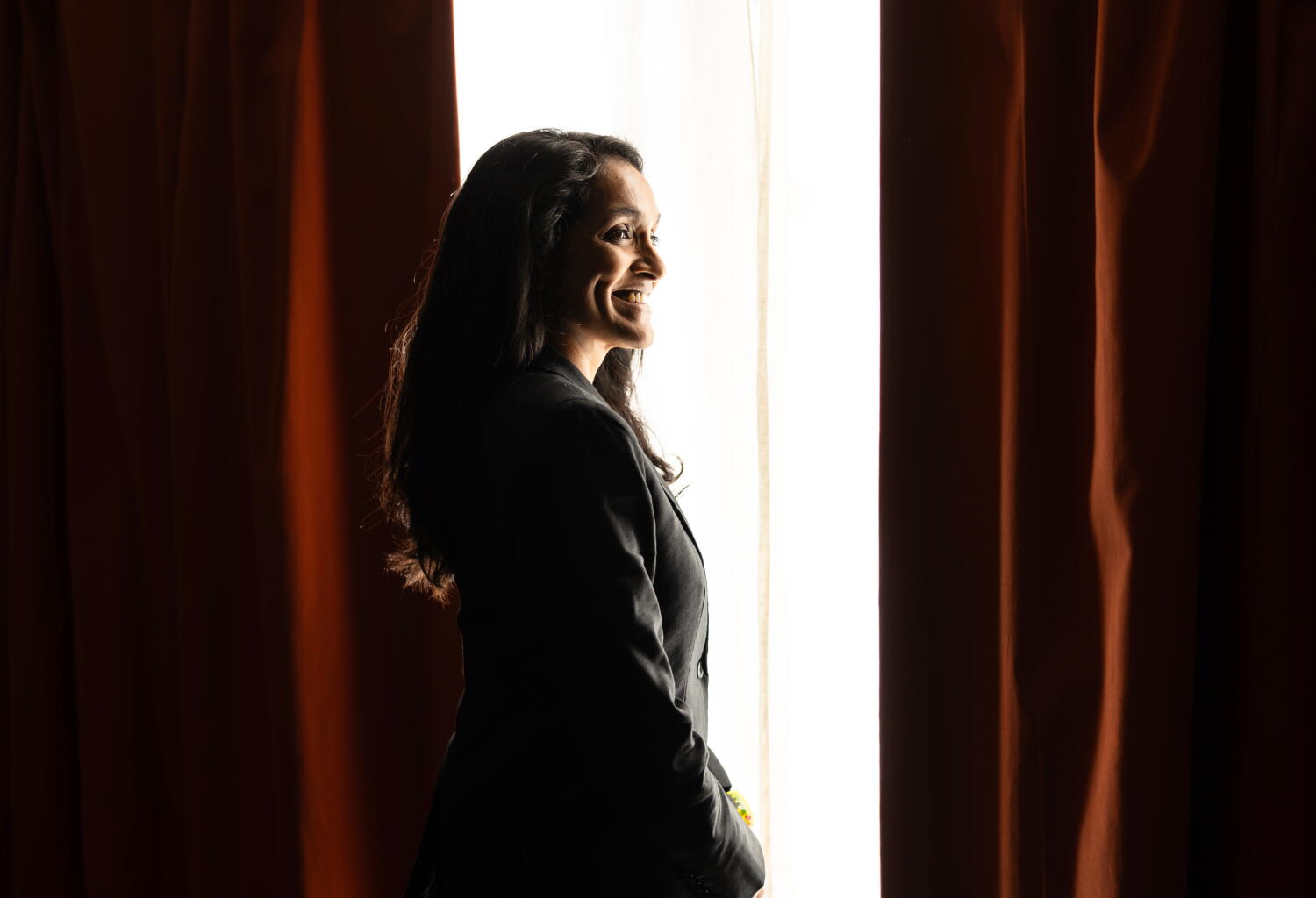
Los Angeles City Hall is built on a fault line of deferred maintenance and broken promises, and Councilmember Nithya Raman has decided to step directly onto the crack. By launching a campaign for the mayoralty of Los Angeles, the progressive incumbent from District 4 is signaling what many residents already whisper in traffic-choked gridlock and under flickering streetlights: the second-largest city in the United States is fracturing beneath its own weight.
Raman frames her entry into the race through the blunt lens of municipal deterioration. The city is really, really struggling. That assessment is not partisan hyperbole. It is the lived reality of anyone navigating crumbling asphalt, surging housing costs, and an unhoused population that mocks the rhetoric of emergency declarations. Yet, running against the entrenched machinery of the municipal status quo requires more than diagnosis. It demands an accounting of how a reformist voice within the legislative body transitions to executive authority when the city apparatus itself resists calibration.
To understand why Raman believes she can fix a broken engine, one must first examine the mechanics of how it stalled. Los Angeles operates under a weak-mayor, strong-council system that historically fragments accountability. Mayors propose visions while fifteen councilmembers rule their respective districts like independent fiefdoms. When Raman won her seat in 2020 by defeating an incumbent, she ran as an outsider-turned-planner who understood urban infrastructure, housing density, and land use at a granular level. She brought a technocratic rigor to housing policy, arguing that the only way out of the crisis is to build far more units across every neighborhood, rich or poor.
That perspective put her at immediate war with the parochial impulses of her colleagues. In Los Angeles, land use is destiny. Every neighborhood council meeting becomes a proxy war over parking, shadows, and property values. Raman discovered early that municipal stagnation is rarely accidental. It is protected by design.
Her mayoral bid forces a brutal reckoning over whether the electorate has the appetite for structural overhauls or if they simply want a manager who can sweep the sidewalks and keep the trash trucks running on time. Los Angeles politics has long swung between these two poles. We elect visionaries and demand custodians. We elect custodians and scream for visionaries.
The structural headwinds are formidable. Homelessness remains the central metric by which any L.A. mayor is judged. Despite billions spent through measures like Proposition HHH and Inside Safe initiatives, tents line the shoulders of the 101 freeway and crowd the concrete banks of the Los Angeles River. The bottlenecks are not merely financial; they are legal, bureaucratic, and cultural. Land acquisition takes years. Environmental reviews paralyze temporary housing. Neighborhood opposition files endless lawsuits under the California Environmental Quality Act to block shelters in their backyards.
Raman’s housing record provides a blueprint of her philosophy, but it also serves as a lightning rod. Critics argue that her push for progressive zoning and tenant protections places undue burdens on developers at a time when construction financing has cratered due to high interest rates. Proponents counter that failing to protect renters accelerates the very displacement that feeds the street encampments. This debate is the core ideological fault line of the upcoming election. Can a city regulate its way to affordability, or must it unleash the private market with minimal interference?
The fiscal reality of Los Angeles adds another layer of peril. The city faces mounting structural deficits driven by steep public safety salary increases and escalating pension obligations. When labor unions hold immense sway over the city council, any executive attempting to rein in spending faces immediate political immobilization. A mayor cannot simply slash budgets; they must negotiate with powerful bargaining units that view city coffers as a baseline for wage growth rather than a finite pool of taxpayer funds.
Furthermore, the shadow of past corruption still lingers over the municipal consciousness. Indictments and federal investigations involving former councilmembers exposed a pay-to-play culture in real estate development that eroded public trust to historic lows. While Raman has positioned herself as clean-handed and reform-minded, the system she seeks to lead has absorbed and neutralized reformers for generations. The executive suite on the third floor of City Hall has a way of co-opting outsiders, sanding down their sharpest policy edges until they blend into the gray limestone of bureaucracy.
Yet the hunger for change is palpable. Voter turnout in municipal elections often hovers around dismal thresholds precisely because people feel alienated from the levers of local power. When a pothole takes six months to fill, or when calling 911 results in a twenty-minute hold time, civic engagement transforms into quiet cynicism. Raman’s campaign is a calculated bet that this cynicism can be converted into a mandate for systemic disruption.
The race will not be won on policy papers alone. It will be decided in the trenches of retail politics across the San Fernando Valley, the Westside, and South L.A., where voters care less about urban planning theory and more about neighborhood safety, economic survival, and tangible competence. A candidate who speaks fluently about municipal zoning codes must also prove they can manage a sprawling police department, negotiate multi-billion-dollar labor contracts, and coordinate federal disaster relief when the next atmospheric river or wildfire threatens the basin.
The machinery of Los Angeles is heavy, rusted, and heavily guarded by those who benefit from its dysfunction. Whether Raman possesses the political leverage to force a pivot remains an open question, but the decision to throw her weight against the wheel ensures that the status quo will no longer go unchallenged.