Climate change is rewriting the natural world in real time. We usually talk about rising temperatures in terms of melting glaciers and dying coral reefs. But what happens when tropical apex predators start adapting to European weather? Ten Nile crocodiles recently hatched naturally during a brutal French heatwave. It sounds like fiction. It is entirely real.
This isn't just a quirky wildlife anecdote for your morning scroll. It marks a stark shift in how resilient invasive or exotic species might become as global temperatures climb. If ancient reptiles can bypass artificial incubation in a standard European park, our old assumptions about geographic boundaries and climate limits are completely broken.
The Breakthrough at La Ferme aux Crocodiles
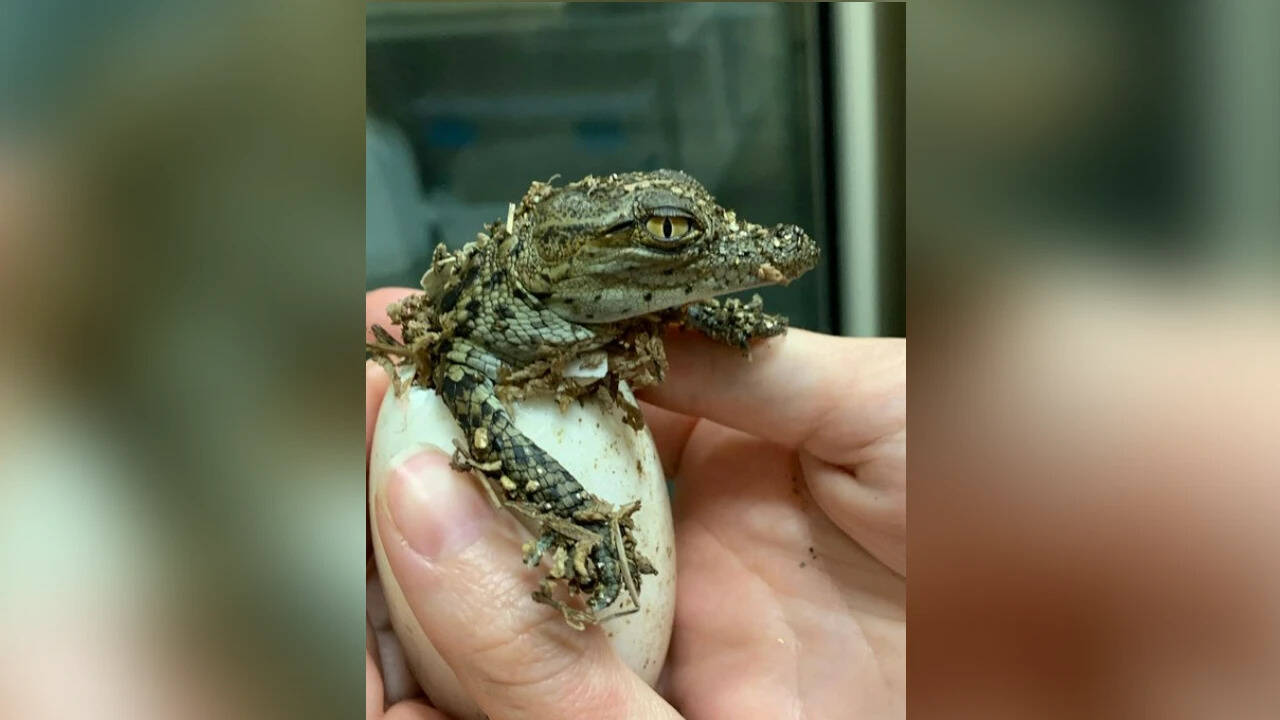
Let's look at what actually happened. At the Planète Crocodiles park in Civaux, France, a female Nile crocodile laid eggs directly in the sand rather than an indoor hatchery. For context, breeding Nile crocodiles in captivity normally requires precise, human-controlled temperature regulation. Zookeepers monitor humidity, shift eggs to incubators, and cross their fingers.
This time, nature took the wheel. An intense European heatwave pushed ambient temperatures high enough for long enough to incubate the clutch underground. Ten healthy baby Nile crocodiles cracked open their shells in the open air.
Zookeepers were stunned. Crocodiles rely on environmental warmth to incubate their eggs, but southern France has never historically offered the steady, intense thermal conditions required for Nile crocodiles to hatch unassisted.
The heatwaves hitting Europe are no longer just anomalies. They are becoming the new baseline summer climate. When European summers start mimicking sub-Saharan Africa, the ecological fallout reaches far beyond dried-up rivers and forest fires. It creates breeding grounds for species that belong thousands of miles away.
Why Temperature Dictates Everything
Reptiles don't have thermostats. They depend entirely on external heat to drive their biology. When it comes to crocodilians, temperature does something even crazier. It often determines the sex of the offspring.
During a standard incubation period, a stable temperature between 31 and 33 degrees Celsius is vital. If temperatures fluctuate too wildly, the embryos die. If they stay too low, nothing happens. The fact that the Civaux clutch survived means the French summer provided sustained, tropical-grade heat over a period of months.
Think about the implications. We are watching climate zones shift northward at a brutal speed. If a French park experiences weather hot enough to hatch Nile crocodiles without artificial aid, ecosystems across the Mediterranean basin are facing a strange future.
People often underestimate how adaptable cold-blooded animals can be. They think of reptiles as relics of a distant past, locked into rigid environmental niches. That is false. Evolution happens fast when selective pressure spikes. While these hatchlings are safely contained in a zoo facility, the event exposes a terrifying proof of concept.
The Bigger Ecological Picture
We need to talk about range expansion. As summers bake Europe, the geographic limits holding back tropical and subtropical species are dissolving. Scientists have tracked northward migrations of insects, plants, and marine life for years. Vertebrates are next.
If you run a wildlife sanctuary, a municipal park, or a local environmental agency, your risk management playbook is outdated. Zoos housing exotic species now face unprecedented security and containment challenges. A sudden spike in heat doesn't just stress animals out. It might accidentally trigger successful breeding events in species that were never supposed to reproduce outside captivity in that region.
Let's address the elephant in the room. Are we going to see wild Nile crocodiles roaming the Seine? No. These eggs were laid in a controlled, albeit outdoor, zoo enclosure. But the biological barrier has cracked. The physical threshold—the temperature requirement for successful unassisted incubation—has been breached in Western Europe.
We are living through a planetary stress test. Every extreme weather event acts as an ecological filter, weeding out species that can't cope while handing a massive advantage to organisms capable of exploiting extreme heat.
Pay attention to how municipal authorities and conservation groups respond over the next few summers. Standard containment protocols built twenty years ago won't survive a continent that feels like a greenhouse. Keep your eyes on the data, watch the temperature records, and stop assuming geography will protect local ecosystems from tropical realities.