Fear has a very specific sound. It is not the dramatic roar of an explosion or the sharp whistle of a falling shell. In the cramped corridors of foreign lands where desperation often pushes people to seek a livelihood far from home, fear is quiet. It sounds like the ticking of a clock at three in the morning. It sounds like a muffled whisper through a smartphone screen, praying that the connection does not drop before the message gets across.
Twenty-eight human beings. Twenty-eight Indian nationals whose lives had suddenly become collateral in a geopolitical chess match they never signed up to play.
For weeks, silence hung thick over Tehran. Rumors moved faster than verified reports. Families in distant Indian villages stared at television screens, watching news anchors talk in hurried, clipped tones about diplomatic standoffs, closed borders, and mounting tensions. To the world watching from a safe distance, these twenty-eight individuals were statistics. Data points in a diplomatic brief.
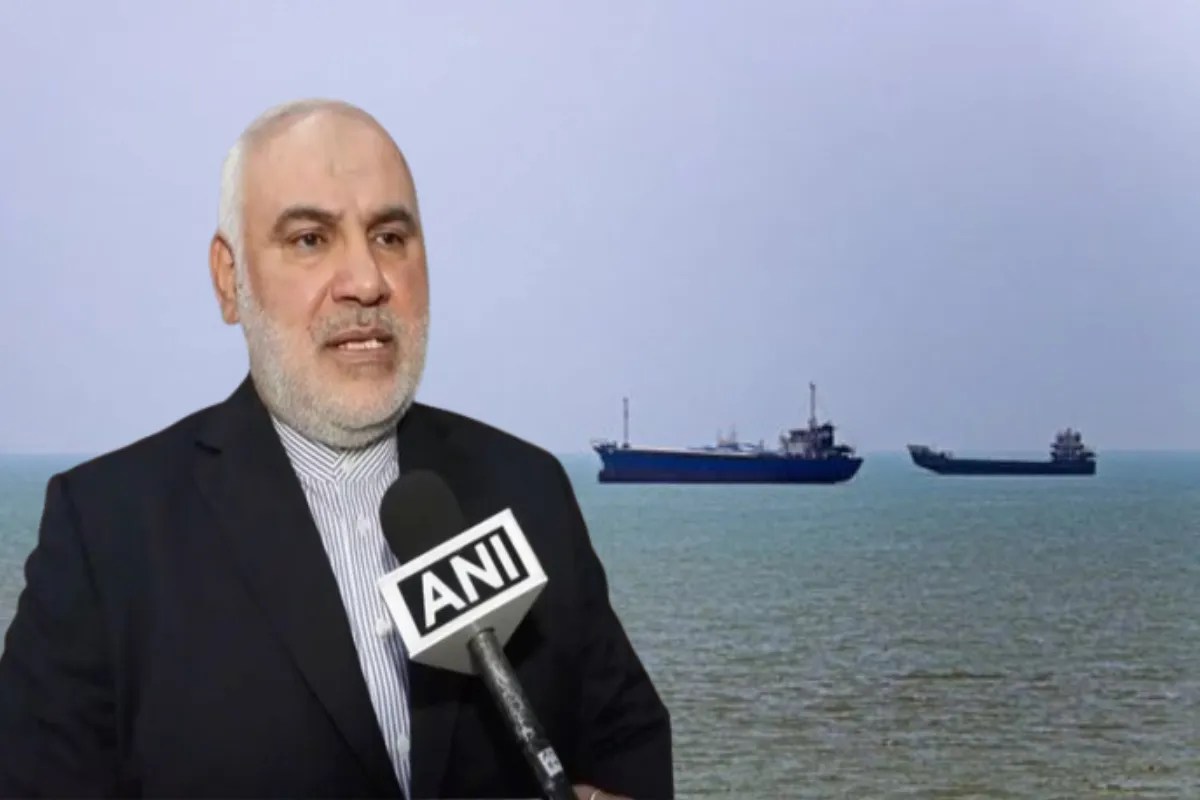
Then, Mohammad Fathali broke the silence.
Diplomacy is often visualized as men in crisp suits shaking hands under blinding chandeliers, smiling for cameras while drafting treaties behind closed mahogany doors. We forget that behind every diplomatic cable lies a human pulse. When the Iranian Ambassador to India stepped forward to address the swirling questions about the fate of those twenty-eight stranded citizens, he did not just offer a standard bureaucratic defense. He pulled back the curtain on a rescue operation born out of quiet coordination and behind-the-scenes urgency.
Consider what happens when a government machinery shifts from slow-moving bureaucracy to emergency triage. Every minute counts. Every missed phone call feels like a dropped lifeline.
Months prior, these individuals had set out with ordinary dreams. They wanted to build a better future, send remittances back to aging parents, and secure an education for their children. Migration is rarely an adventure; it is an economic necessity wrapped in courage. But when regional stability fractures, the margin for error shrinks to zero. Suddenly, finding yourself trapped in a foreign country is no longer a plot twist in a movie. It is your reality.
The ambassadorial clarification was not merely an official statement clearing up a news cycle. It was an acknowledgment of anxiety. When whispers grew that these citizens had been abandoned to their fate, the diplomatic channels had to speak louder than the rumors. Fathali’s address clarified that the safety of foreign nationals remained a priority, even when cross-border tensions threatened to freeze normal diplomatic traffic.
We rarely think about the logistics of rescue. We imagine dramatic extractions under the cover of night. We picture military transport planes touching down on darkened runways. But reality is far more tedious and infinitely more fragile. It relies on paperwork, visa clearances, local police permissions, and hours of uncomfortable negotiations between nations that might not see eye-to-eye on global politics, yet still share a fundamental obligation to human life.
Imagine sitting in a bare room in Tehran, staring at a packed suitcase that you packed three days ago, waiting for a single stamp on a piece of paper that says you can finally go home. The hours stretch into days. Food supplies dwindle. The local news broadcasts images of escalating hostility. Every siren outside sounds like a personal threat.
That was the emotional core of the crisis.
When the breakthrough finally came, it did not arrive with a fanfare. It came through a quiet text message from an embassy official. Bags were picked up. Passports were checked for the hundredth time. The journey to the airport felt longer than the months spent waiting.
When the wheels of that evacuation flight finally left the tarmac, twenty-eight people collectively exhaled. They were leaving behind an unstable region, but they were also leaving behind an ordeal that tested the very limits of their endurance.
Back in India, the news cycles eventually moved on to the next crisis. The headlines shifted. New political debates took center stage. But for those twenty-eight individuals and their families, the world had fundamentally changed. They learned how thin the line is between routine daily life and sudden displacement. They learned how much a passport matters when you are thousands of miles away from home.
Mohammad Fathali speaking out was a rare moment where diplomacy intersected with raw human relief. It reminded us that behind the cold machinery of international relations, real people are holding their breath, waiting for someone to answer the phone.
The plane landed. The doors opened. The rush of familiar air hit them first.
And in that quiet moment on the tarmac, the silence was finally broken for good.