The silence is what hits you first. In Havana, silence isn't a natural state; it is a mechanical failure. Usually, the city breathes through a rhythmic wheeze of 1950s Chevy engines, the distant clatter of dominoes on wooden tables, and the ubiquitous, low-frequency thrum of thousands of aging Soviet-era refrigerators. When that thrum stops, the air feels heavy. It feels like a lung has collapsed.
On a Tuesday afternoon, the grid didn't just flicker. It surrendered.
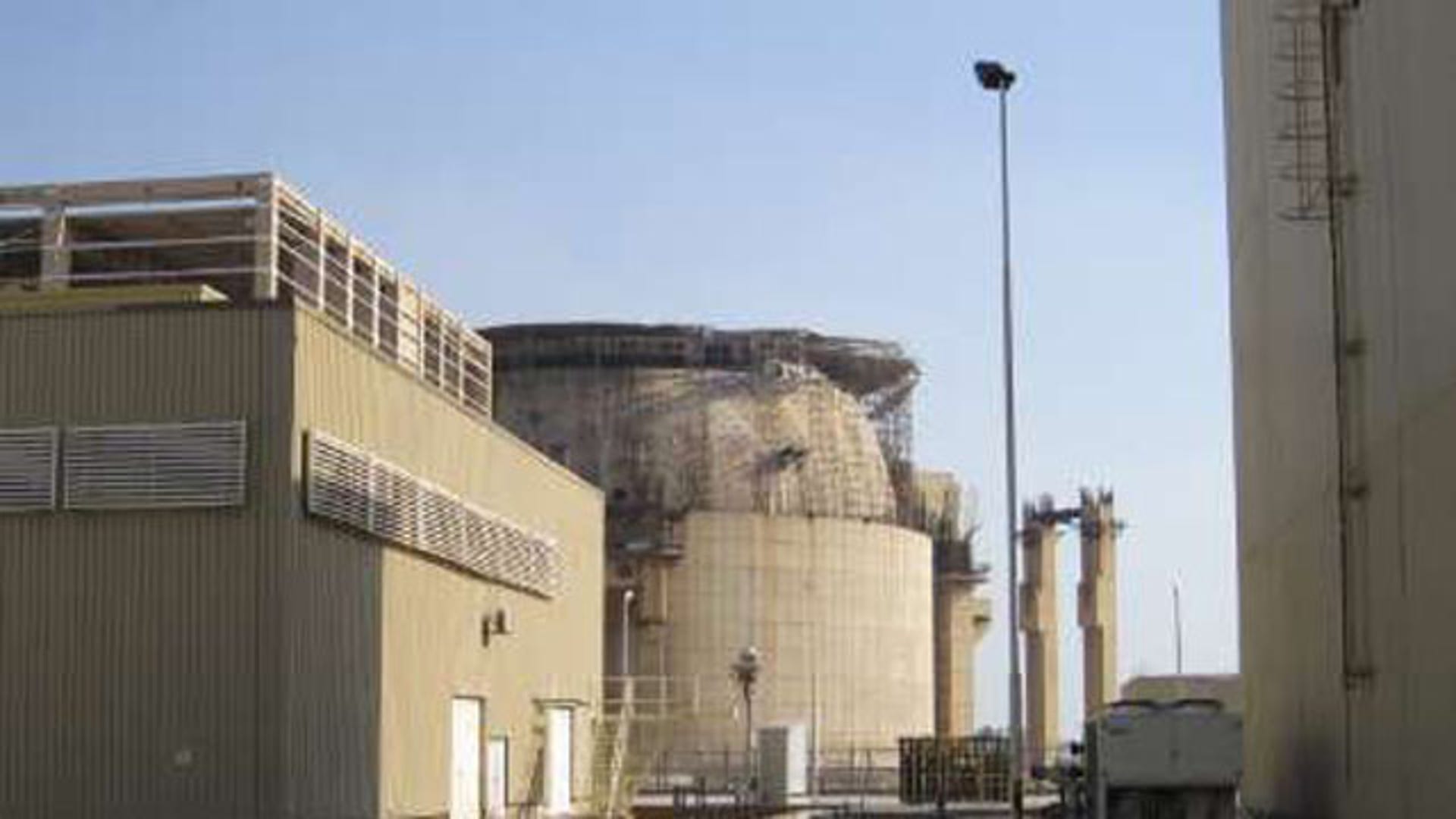
For twenty-nine hours, ten million people were cast into a pre-industrial reality. This wasn’t a blown fuse or a downed line from a passing tropical storm. This was the systemic exhaustion of a nation’s nervous system. The Antonio Guiteras thermoelectric plant—the aging heart of Cuba’s energy production—had finally seized up.
Consider Maria. She is a hypothetical composite of the women I’ve sat with on crumbling Malecón sea walls, but her stakes are entirely real. When the light bulb in her kitchen died, her first instinct wasn’t to find a candle. It was to open the freezer. In a country where a kilogram of pork can cost a week’s wages, a defrosting freezer is a slow-motion financial disaster. She watched the ice crystals melt into beads of water, knowing that by hour twelve, the meat would soften. By hour twenty, it would begin to turn. By hour twenty-nine, she would be smelling the loss of a month’s protein.
The Mathematics of a Blockade
The numbers provided by state media are sterile. They speak of "megawatts" and "fuel ship delays." But energy isn't a statistic when you are climbing ten flights of stairs in a darkened apartment building because the elevator is a dead iron box.
Cuba’s energy crisis is a math problem with a cruel variable: the United States embargo. To keep the lights on, you need three things: functional machinery, spare parts, and fuel. The Guiteras plant and its siblings are relics, straining under the weight of decades. When a turbine blade cracks, you cannot simply order a replacement on a global marketplace. The "blockade"—as it is known on the island—creates a labyrinth of financial sanctions. Shipping companies risk being blacklisted if they touch Cuban ports. Banks freeze transactions if they scent the word "Havana."
Consequently, the fuel doesn't arrive. The tankers that should be docking from Venezuela or Russia are often diverted or delayed by the sheer friction of international Treasury Department regulations.
The result is a fragile equilibrium. The government shuffles electricity like a dealer with a thinning deck of cards. They "rotate" blackouts, giving Matanzas four hours of light while plunging Pinar del Río into darkness. But when the entire deck falls off the table—as it did during this twenty-nine-hour stretch—there is no more shuffling. There is only the heat.
The Sensory World of the Dark
Without fans, the Caribbean humidity becomes a physical weight. It sits on your chest. You move slower to keep your body temperature from spiking. Neighbors migrate to the doorways and balconies, seeking a breeze that doesn't exist.
Communication vanishes. In the modern age, a dead phone isn't just a lack of entertainment; it is an informational vacuum. You don't know if the power will be back in an hour or a week. Rumors grow in the dark. They spread from balcony to balcony, whispered across the narrow streets of Old Havana. I heard the main line exploded. I heard a tanker is sitting five miles offshore but can’t dock.
This is the invisible toll of a blackout. It erodes the psychological floor of a society. When you cannot predict if you will be able to cook rice at 6:00 PM, the future ceases to be a place of planning. It becomes a place of survival.
The technical reality of "restarting the grid" is a delicate, terrifying dance. You cannot just flip a giant switch. If you introduce too much load too quickly to a weakened system, the whole thing trips again. Engineers have to "warm up" the massive boilers, synchronizing frequencies across hundreds of miles of wire that are held together by little more than hope and improvised patches. They are trying to jump-start a Boeing 747 with a lawnmower battery.
The Cost of a Cold Spark
When the hum finally returned—faintly at first, then steady—there was no cheering. There was only a collective, exhausted sigh.
Maria plugged her refrigerator back in. She checked the milk. She calculated what could be saved and what had to be thrown away. The 29-hour gap in the calendar was over, but the structural rot remained. The US oil blockade continues to tighten the valves, and the Cuban infrastructure continues to metal-fatigue into obsolescence.
We often talk about geopolitics as a chess game played by men in suits in Washington and Havana. We analyze the "leverage" and the "diplomatic pressure." But leverage is a cold word for a warm freezer. Diplomatic pressure is a sanitized term for a grandmother breathing through an asthma nebulizer that won't turn on.
The lights are back on for now. The streets are once again filled with the sound of reggaeton and the grind of gears. But everyone knows the silence is waiting just behind the wall, ready to return the moment the fuel runs dry or a single, overworked bolt finally snaps under the pressure of trying to power a nation on nothing but fumes and resilience.
Somewhere in the suburbs of Havana, a child asks if they can watch cartoons. The mother hesitates before answering. She looks at the flickering yellow bulb in the ceiling, wondering not if it will go out again, but when.
The hum is back. But no one is sleeping soundly.
Would you like me to analyze the specific economic impact of these blackouts on Cuba's emerging private small businesses?