The rain in Hertfordshire smells different when history is about to repeat itself. It smells like damp grass, cheap beer, and anticipation that has aged three decades in a bottle.
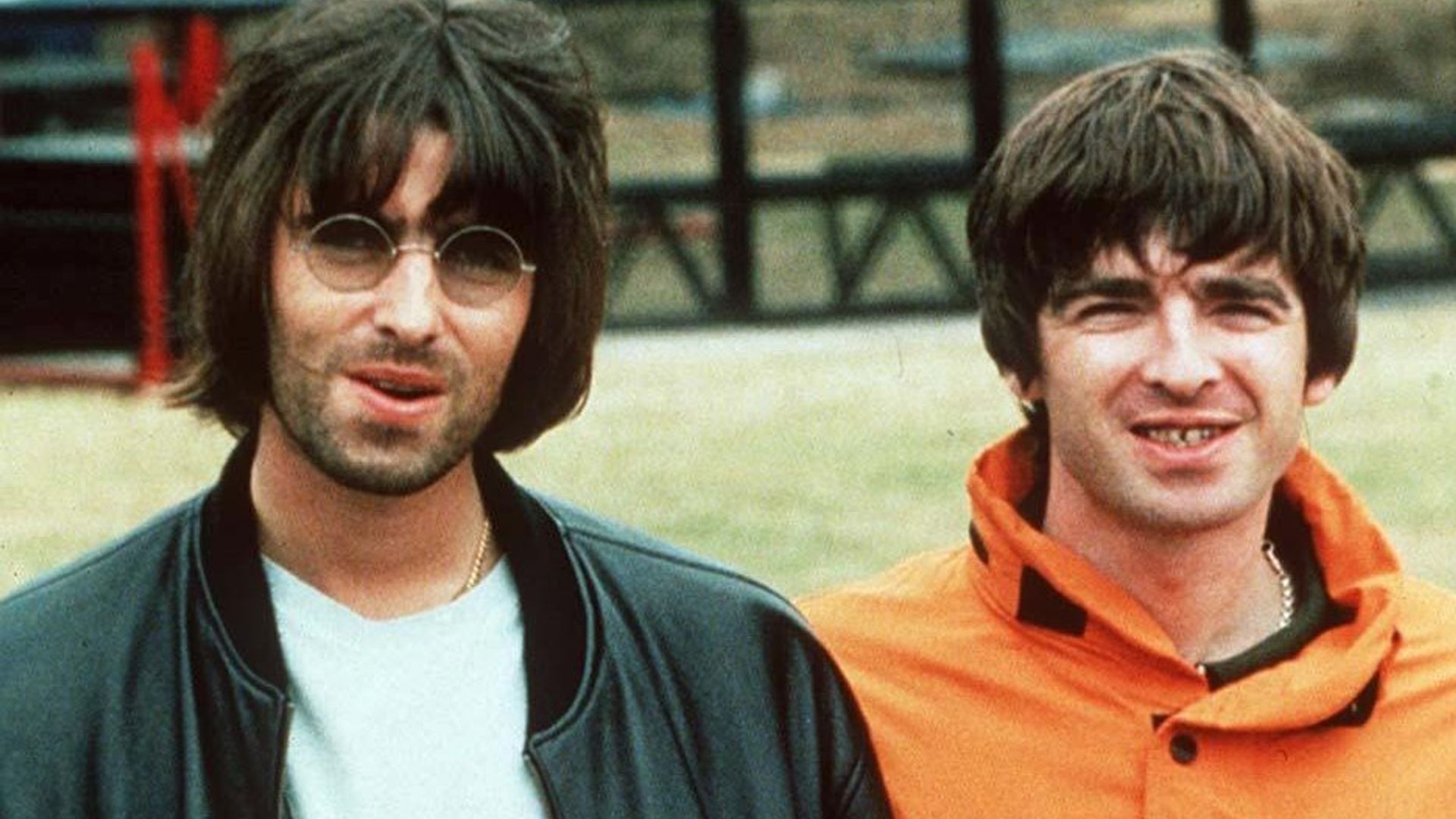
Picture Sarah. She was seventeen in 1996, wearing an oversized Umbro track jacket that smelled faintly of clove cigarettes, standing shoulder-to-shoulder with a quarter of a million other dreamers in the massive natural bowl of Knebworth Park. She lost her voice shouting the second verse of Champagne Supernova. She lost her left shoe somewhere near the third lighting tower. She didn't care. Back then, Liam Gallagher walked onto a stage like he owned the weather, and Noel played chords that felt like they were forged out of raw British steel and pure, unadulterated arrogance.
That was the summer the world belonged to two brothers from Burnage. And then, just as quickly as the fireworks faded over the Hertfordshire estate, the light went out. The years rolled on. Solo projects came and went. Feuds played out in tabloid headlines and bitter text messages sent across oceans. Fans grew up, got mortgages, traded bucket hats for sensible knitwear, and quietly packed away the illusion that the peace treaty would ever be signed.
Until now.
The License That Changes Everything
The machinery of nostalgia does not run on wishes alone. It requires bureaucracy, stamped paper, and the cold approval of local councils.
Recently, the legal dam finally broke. The promoter behind the upcoming Oasis reunion tour officially secured the green light from the local authorities to host massive, historic concert dates at Knebworth Park. North Hertfordshire District Council granted the license, turning what was once a fever dream of internet rumors into a logistical, undeniable reality. We are talking about tens of thousands of ticket-holders converging once again on the legendary grounds.
Think about what a license actually means in this context. It is not just a piece of paper filed in a municipal drawer. It is a permission slip for time travel. It represents the crossing of the final hurdle, the moment the council chambers realized they could no more hold back the tide of returning Britpop devotees than they could stop the earth from spinning.
The security plans are drafted. The traffic management logistics are finalized. The acoustic monitoring parameters are set. Every logistical checkbox has been ticked in blood, sweat, and legal counsel fees. The stage is quite literally being set.
Why This Particular Field Matters
Knebworth is not just a venue. It is an altar.
Over the decades, those sprawling grounds have hosted rock royalty. Led Zeppelin played their titanic, era-defining shows there in 1979. Queen delivered their final concert with Freddie Mercury on that very turf in 1986. But for a specific generation, Knebworth belongs to Oasis. It was their undisputed peak, a two-night cultural phenomenon in August 1996 where over 2.5 million people applied for tickets—a record-breaking demand that proved rock and roll had not died, it had just learned how to wear a parka.
When a band steps back onto that specific ground after fifteen or twenty years of silence, they are walking through ghosts. They are competing with memory, which is the hardest opponent any musician will ever face. Memory edits out the long queues for the portable toilets. Memory strips away the relentless mud and the piercing cold of an English summer evening. Memory leaves only the roar of the crowd, the amber glow of the stage lights, and the feeling of being invincible at eighteen years old.
This is the invisible stake of the reunion tour. The promoters know it. The Gallagher brothers certainly know it, even if they would rather swallow broken glass than admit to feeling sentimental. The licensing approval wasn't just about crowd control; it was about managing an emotional earthquake.
The Anatomy of a Second Chance
Let us look past the corporate ticketing queues and the dynamic pricing debates that dominated headlines when the tour first dropped. Strip away the noise of modern commerce. What remains is a rare human impulse: the desperate need to reclaim a chapter we thought was closed forever.
Mark is forty-eight now. He works in logistics, drives a sensible hybrid SUV, and coaches his daughter's Under-12 football team on rainy Saturday mornings. When he heard the reunion news, he didn't cheer out loud. He sat quietly at his kitchen table, looked at his phone screen displaying tour dates, and felt a strange tightening in his chest.
He was at Knebworth in '96. He still has the ticket stub tucked inside a drawer in his study, faded and dog-eared. For years, he told anyone who would listen that music today lacks teeth, that modern gigs feel too clinical, too filtered through smartphone screens. But the moment the license was granted for Knebworth, Mark caught himself looking at flights, checking his calendar, and wondering if he could still fit into his old vintage Adidas trainers.
He doesn't care about the setlist being predictable. He doesn't care that Liam’s voice has a bit more gravel in it now, or that Noel has traded his wild mop top for a sleek, modern haircut. Mark wants to stand shoulder-to-shoulder with strangers again. He wants to scream lyrics into the night air alongside people who lived through the exact same cultural soundtrack.
That is what the license unlocked. It unlocked permission for millions of adults to remember who they were before life got complicated.
The Countdown Begins
The paperwork is signed. The ink is dry. The local council has spoken, and the fields of Hertfordshire are bracing themselves for an invasion of bucket hats and flared denim.
Critics will say it is a cash grab. Cynics will point out that nostalgia is the most lucrative commodity on the modern market. They are not entirely wrong. Commerce and creativity have always danced an awkward, tangled tango in the music industry. But reducing this upcoming gathering to a simple financial transaction misses the entire point of human art.
Music binds us to our own timelines. It acts as an anchor when everything else is drifting away. When the first chord rings out across Knebworth Park this time around, it won't just be a concert. It will be a collective exhalation.
Sarah might not go this time—her knees aren't what they used to be, and she prefers a decent seat with a cup of tea. But she'll watch the clips on her phone, smiling as the camera pans across the sea of raised hands in the dark. Mark will be there, somewhere in the middle of the crowd, shouting himself hoarse, feeling the bass rattle straight through his ribs.
The gates are opening. The past is waiting. And for a few short hours, the sky above Knebworth will belong to the nineties once again.