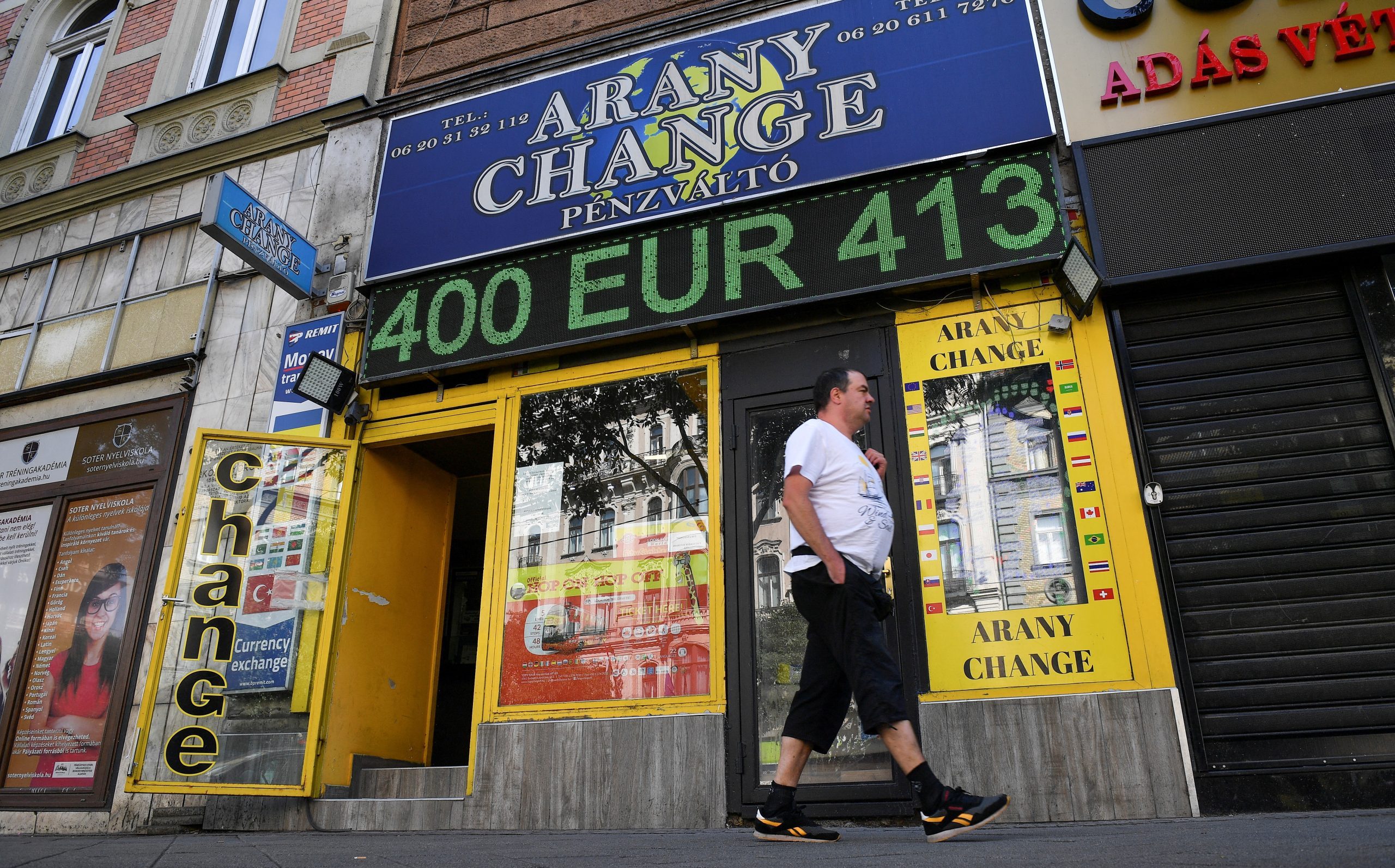
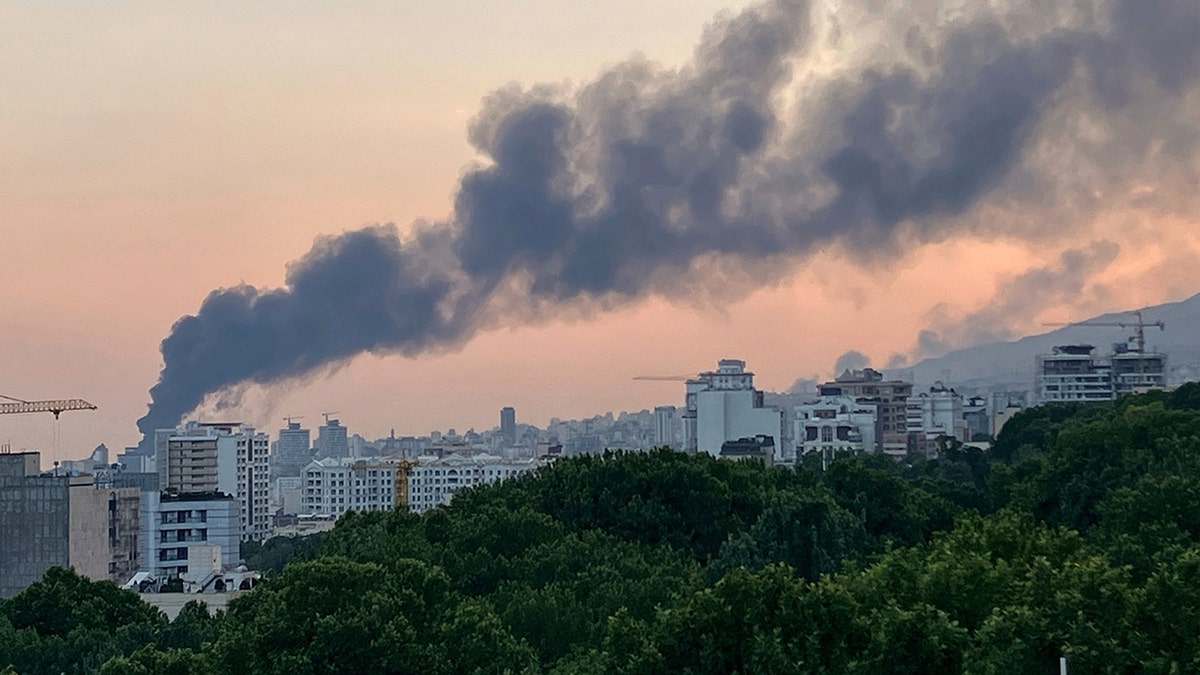
The air in Budapest usually tastes of diesel and ancient stone, but on that particular Sunday, it carried something sharper. It was the scent of ozone before a lightning strike. In the cafes along the Danube, the clink of porcelain cups felt heavier, more deliberate. People weren't just drinking coffee; they were waiting for the ground to move.
For over a decade, Viktor Orbán had been more than a Prime Minister. He was a constant weather system, a low-pressure front that had settled over Hungary and refused to budge. He had built a fortress not of bricks, but of narratives—stories of "illiberal democracy" and the sanctity of the border that resonated far beyond the Carpathian Basin, echoing in the stump speeches of Mar-a-Lago and the digital echo chambers of the American Right.
Then, the fortress cracked.
The Cracks in the Concrete
Gabor is a man I know who sells used books in a stall near the Keleti railway station. He is seventy-two. He remembers the tanks in 1956 and the grey, listless decades that followed. For years, Gabor voted for Orbán’s Fidesz party because, as he put it, "at least they are ours." He liked the idea of a strongman who didn't bow to Brussels. He liked the feeling of being part of a nation that finally stood for something, even if that something felt increasingly like a closed fist.
But pride doesn’t pay the electric bill.
The turning point for Gabor—and for millions like him—wasn't a grand philosophical shift. It was the slow, agonizing realization that the "strongman" was presiding over a crumbling foundation. While the state-controlled media spun tales of a glorious Hungarian resurgence, the price of bread doubled. The hospitals where Gabor’s wife waited ten hours for a basic check-up were peeling at the seams. The schools where his grandson studied were losing teachers to better-paying jobs in Vienna and Berlin.
Corruption wasn't a scandal anymore; it was the climate. It was the friend of a friend who got the government contract to repave a road that didn't need repaving. It was the sinking feeling that the country was being treated like a private estate.
When the opposition finally did the unthinkable—uniting under a single banner despite their internal squabbles—the narrative of the "invincible leader" began to bleed. The landmark defeat wasn't just a tally of votes. It was an exorcism.
The Transatlantic Mirror
Across the Atlantic, the ripples of the Hungarian election hit the shores of American politics with the force of a tidal wave. For years, the MAGA movement had looked to Budapest as a blueprint. To them, Orbán was the "conservative cool"—the man who had successfully captured the courts, the media, and the cultural institutions without firing a shot.
The American Right didn't just admire Orbán; they studied him. They saw in Hungary a vision of what the United States could become if the checks and balances were sufficiently eroded. When Orbán fell, the jibes started almost instantly. If the master of the illiberal playbook could be toppled, what did that mean for the apprentice?
The stakes in Hungary were never just about Hungary. They were a laboratory experiment for a global brand of populism that relies on the "us versus them" dichotomy. When the "us" in that equation—the working-class voters, the pensioners, the rural families—decided that the "them" was actually the very leadership claiming to protect them, the entire structure collapsed.
It wasn't a victory of the Left over the Right. It was a victory of the tangible over the ideological.
The Anatomy of a Fall
Power is a strange substance. It behaves like water until it freezes into ice, becoming brittle and prone to shattering. Orbán’s power had frozen. He had insulated himself so thoroughly with sycophants and state-funded propaganda that he stopped hearing the low hum of discontent. He mistook silence for consent.
In the final weeks of the campaign, the rhetoric turned desperate. The jibes directed at the opposition grew more personal, more frantic. The state media warned of a world without Orbán—a world of chaos, of foreign intervention, of the loss of the Hungarian soul. But the voters looked at their empty wallets and their dilapidated clinics and realized the chaos was already there. It was just wearing a suit and tie.
The fall of a populist is rarely a sudden explosion. It is a series of quiet defections. It is the teacher who decides she can no longer teach lies. It is the civil servant who leaks a document because his conscience finally outweighs his fear. It is the grandmother who realizes her grandson is leaving the country not because he hates his homeland, but because his homeland has no room for his future.
The MAGA Question
The nervousness in the MAGA camp following the Hungarian results was palpable. The narrative of an "inevitable" populist wave across the West suddenly looked shaky. If the "Viktorious" one could lose, then the aura of invincibility surrounding Donald Trump was equally illusory.
The connection between the two movements is more than ideological; it is psychological. Both rely on a sense of grievance and the promise of a return to a mythical past. But myths have a shelf life. Eventually, people want to live in the present. They want a government that functions, schools that educate, and a future that doesn't feel like a controlled experiment in nostalgia.
The jibes that "Trump is next" aren't just partisan sniping. They are a recognition that the tactics used in Budapest—the demonization of the press, the packing of the courts, the use of state resources for party gain—have a common failure point. That point is reached when the average citizen realizes that the "culture war" is a distraction from the fact that the roof is leaking.
The Morning After
I walked through Heroes' Square the morning after the results were finalized. The statues of the great kings and leaders of Hungary’s past stood silent in the pale morning light. There were no riots. There was no grand upheaval. There was just a sense of profound, collective relief.
People were talking to each other again. Not in the hushed tones of the last decade, but with the open, slightly stunned expressions of survivors emerging from a storm cellar. The "landmark defeat" was being discussed not as a political event, but as a personal one.
Gabor, the bookseller, was packing up a copy of a banned poem from the 1950s for a young student. He looked up at me and smiled, a genuine, toothy grin that crinkled the corners of his eyes. "The air is better today," he said, simply.
He wasn't talking about the diesel fumes.
The lesson of Budapest isn't that populism is dead. It is that populism is a promissory note that eventually comes due. You can only blame the "elites," the "foreigners," and the "shadowy forces" for so long before people look at the man holding the microphone and ask why he hasn't fixed the plumbing.
The fall of Viktor Orbán wasn't a glitch in the system. It was the system reasserting its humanity. It was a reminder that while you can build a fortress out of stories, you cannot live inside a lie forever. The iron curtains of the mind are heavy, but they are not permanent. They are held up by fear, and fear is a fuel that eventually runs dry.
As the sun set over the Buda hills, casting long, purple shadows across the river, the lights of the city began to flicker on. One by one. Small, individual points of light that, when seen from a distance, create a map of a place that is finally finding its way home. The jibes and the political posturing will continue, but for the people on the ground, the story has already shifted. They are no longer characters in someone else’s drama. They are the authors of their own.
The world watched Hungary to see how a strongman stays in power. Instead, they saw how he loses it. They saw that the most powerful weapon against a narrative of division is the simple, stubborn reality of a life lived with dignity.
The next time a leader claims to be the only thing standing between his people and ruin, the ghosts of this election will be there to whisper a different truth. They will remind us that the only thing more certain than the rise of a titan is the quiet, inevitable dawn that follows his departure.
-02.png?format=1500w)