The air in Kathmandu usually carries the scent of burning incense and diesel exhaust, but lately, there is a metallic tang to the breeze—the smell of a closing gate.
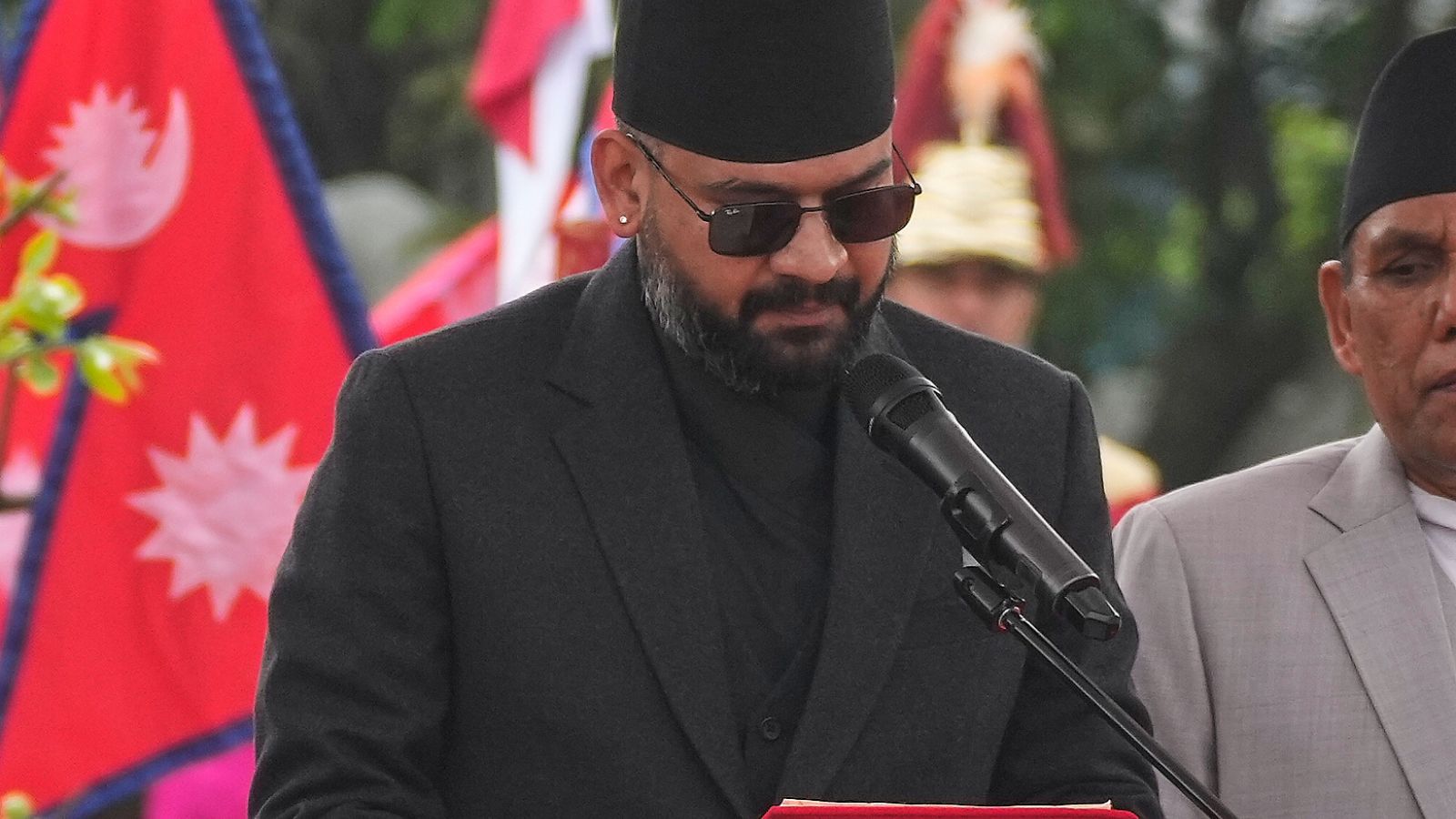
While the city slept, the machinery of the state ground to a halt. Balendra Shah, the man whose meteoric rise from structural engineer and rapper to the most powerful mayor in Nepal’s history once felt like a fever dream of progress, has presided over a moment that should make every citizen shiver. Parliament has been deferred. In its place, the quiet scratching of pens on paper has replaced the roar of debate. The ordinance has become the weapon of choice.
The Ghost in the Hallway
Think of a grandmother in a small tea shop off Durbar Square. She doesn't read the gazettes. She doesn't track the shifting alliances in the federal or municipal halls. But she understands one fundamental truth: when the doors to the house where people talk are locked, the people outside lose their voices.
The deferment of Parliament isn't just a scheduling hiccup. It is a deliberate choice to bypass the messy, loud, and often frustrating process of collective decision-making. When a government opts for ordinances, it is essentially saying that the time for talking is over, and the time for decreeing has begun. It is the political equivalent of a parent telling a child "because I said so," except the child is a nation of thirty million people.
This isn't about one man’s ego, though Balendra Shah’s critics would have you believe otherwise. It’s about a systemic exhaustion. The gears of the democratic process are rusted. They squeak. They get stuck. To an engineer like Shah, a man used to calculating loads and stresses, the inefficiency of a bickering Parliament must feel like a structural flaw. Why wait for a committee to agree on a brick when you can simply order the wall to be built?
The Allure of the Pen
The ordinance is a seductive tool for any leader. It is fast. It is clean. It skips the insults thrown across the aisle and the endless delays of the opposition. But the cost of that speed is hidden in the fine print.
When you govern by decree, you remove the friction that prevents mistakes. Friction is annoying, yes, but it is also what keeps a car from sliding off a rain-slicked mountain road. Without the "interference" of Parliament, laws are written in shadows. They lack the sunlight of public scrutiny. They become brittle.
Consider the impact on the street level. A small business owner in New Road is trying to navigate new tax regulations. Under a functioning Parliament, those regulations would have been debated, adjusted for the reality of the market, and publicized. Under an ordinance, they arrive like a lightning bolt—sudden, scorching, and impossible to prepare for.
The mayor’s supporters argue that the city is in a state of emergency, that the paralysis of traditional politics requires radical action. They see a hero cutting through red tape. But red tape is often the only thing holding the various factions of a fragile democracy together. When you cut it, you don't just free the hands of the leader; you unravel the safety net of the people.
The Silence of the Seats
Walk through the halls of power during a deferment and the silence is deafening. Usually, these corridors are thick with the hum of negotiation—the literal sound of democracy. Now, there is only the echo of footsteps.
By pushing the legislative body into the background, the administration is betting that the public prefers results over process. It is a dangerous gamble. It assumes that as long as the garbage is collected and the roads are widened, no one will mind that the rules were written behind closed doors.
But history is a cruel teacher in the Himalayas. Nepal has seen what happens when power centralizes. We have seen the flick of the wrist that signs away rights in the name of "efficiency." We know that a government that finds Parliament inconvenient today will find the voters inconvenient tomorrow.
The tragedy is that Shah represented hope for a new generation. He was the outsider who understood the code. He was supposed to fix the machine, not bypass it. By choosing the path of the ordinance, he is falling into the oldest trap in the book: the belief that the ends justify the means.
Imagine a bridge built without a blueprint, constructed in the middle of the night because the engineers didn't want to wait for the safety inspectors. It might look sturdy. It might even hold the weight of a few trucks. But when the monsoon comes and the river rises, you’ll wish you’d waited for the inspection.
The Invisible Stakes
The stakes aren't just about this week’s policy or next month’s budget. They are about the muscle memory of a nation. Democracy is a muscle; if you don't use it, it withers. Every time a Parliament is deferred to make way for a decree, the people’s ability to demand accountability grows weaker.
The citizens of Kathmandu are tired. They are tired of the dust, the corruption, and the stagnation. That exhaustion makes the "strongman" approach look appealing. It’s easy to cheer for the leader who "gets things done." But we must ask: what exactly is being done, and who is it being done for?
If the law is no longer a product of the people’s representatives, then the law is no longer a shield. It becomes a fence.
There is a specific kind of cold that settles over Kathmandu in the evenings, a chill that reaches into the bone. Tonight, that chill feels different. It feels like the cold of an empty room where a fire used to burn. The fire was the debate. The fire was the disagreement. The fire was the messy, loud, beautiful chaos of a people trying to govern themselves.
Now, there is only the scratch of the pen.
The gates are closed. The lights in the chamber are off. The city waits to see what the morning’s newspapers will decree, hoping that in the rush to build a better future, the leaders haven't forgotten to include a place for the people to stand.
A government that fears the talk of its people is a government that has already lost its way. The ordinance is not a sign of strength. It is a confession of failure—a white flag raised in the face of the hard work of persuasion.
In the silence of the deferred Parliament, the only thing growing is the shadow of the man with the pen.