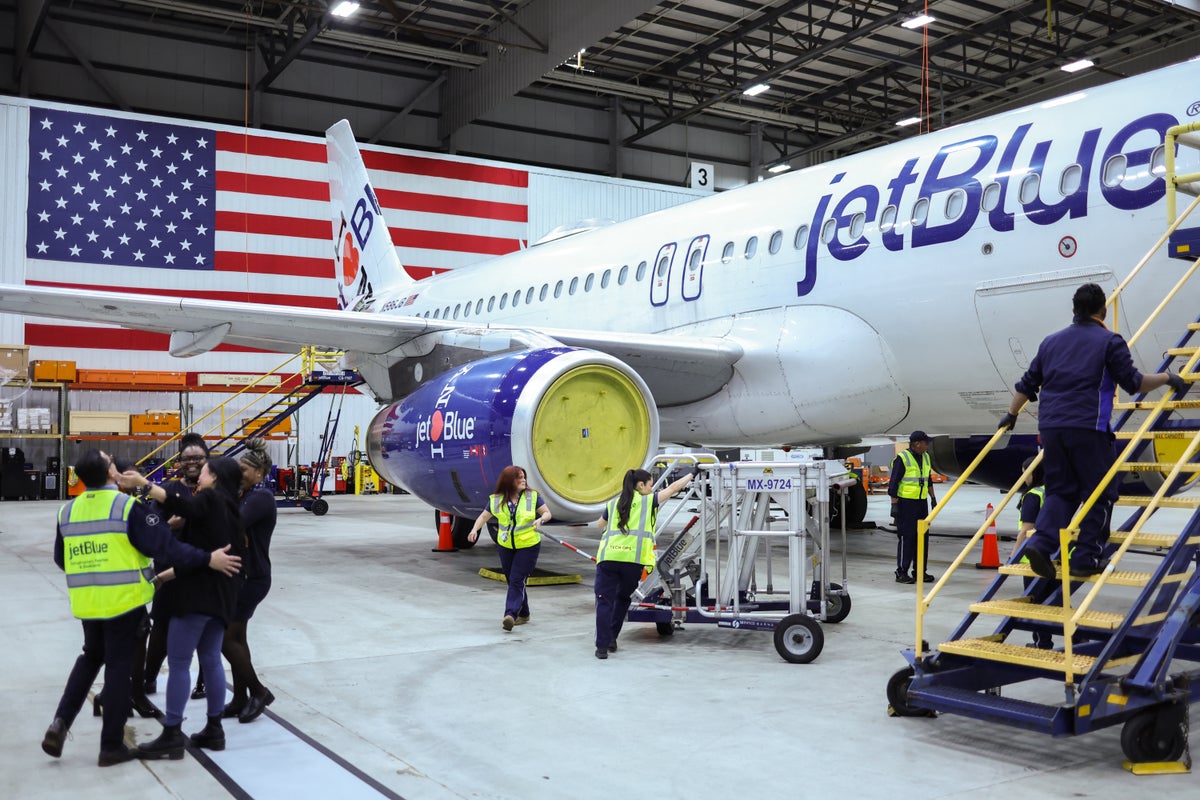
Airfares are going up again and your summer travel plans just got more expensive. If you frequently fly JetBlue, you need to prepare your wallet for a bumpy ride. Tensions in the Middle East, specifically involving Iran, are sending global oil markets into a tailspin. Airlines feel this pain instantly. When crude oil prices spike, jet fuel prices follow immediately. For an airline like JetBlue that operates on razor-thin margins, there is only one way to absorb that extra cost. They pass it directly to you.
You might wonder why a conflict thousands of miles away affects a domestic flight from New York to Orlando. The global aviation industry runs entirely on Brent crude and refined jet fuel pricing benchmarks. When supply routes look threatened or geopolitical risks escalate in the Persian Gulf, oil traders panic. That panic prices itself into every single gallon of fuel pumped into an Airbus A321 at JFK. JetBlue is currently weighing significant ticket price hikes to offset these skyrocketing operational costs. It is a survival tactic.
This is not just about a temporary five-dollar surcharge. The airline industry faces a structural cost squeeze that could change how you budget for travel for the rest of the year. Understanding how JetBlue navigates this crisis tells us exactly where ticket prices are heading.
The Direct Link Between Iranian Tensions And Your Ticket Price
Crude oil accounts for the single largest variable expense for any commercial airline. It usually makes up anywhere from 25 to 35 percent of total operating costs. When the market panics over Iranian supply disruptions or threats to shipping lanes in the Strait of Hormuz, oil prices jump. A ten-dollar increase in a barrel of oil translates to billions in extra costs for the aviation sector annually.
JetBlue relies heavily on East Coast hubs where fuel distribution networks can face localized pricing pressures. Refineries process crude into jet fuel, and any threat to global oil flows tightens the entire supply chain. Airlines buy fuel constantly. While some giant carriers lock in prices months in advance, others buy closer to the spot market rate.
When jet fuel prices surge, JetBlue cannot simply absorb the loss. The company has already faced several quarters of financial headwinds, including the costly fallout from blocked merger attempts and shifting post-pandemic travel patterns. Fuel price volatility acts as an immediate trigger for revenue management systems to raise base fares across the board.
Why JetBlue Is More Vulnerable Than Its Competitors
Larger legacy carriers like Delta Air Lines or United Airlines have massive international networks and diverse revenue streams. They can sometimes cushion the blow of rising fuel costs by relying on highly profitable business class tickets on transatlantic routes. JetBlue operates differently. They are primarily a domestic and leisure-focused carrier.
Leisure travelers are highly sensitive to price changes. If a ticket to Fort Lauderdale gets too expensive, you might choose to drive or skip the vacation entirely. This puts JetBlue in a brutal position. They must raise prices to cover the fuel bills, but raising prices risks driving away their core customer base.
The company also lacks the massive scale of its bigger rivals to negotiate identical bulk fuel discounts in every market. Their fleet restructuring efforts mean they are already spending capital on modernizing aircraft. They do not have the financial cushion to burn through cash just to keep ticket prices artificially low while oil sits at elevated levels.
The Fuel Hedging Problem Facing Airlines Right Now
Airlines use a financial tool called fuel hedging to protect themselves from sudden price spikes. Think of it as an insurance policy. An airline enters a contract to buy fuel at a fixed price in the future. If the actual market price goes above that fixed rate, the airline saves millions. If the market price drops below it, the airline actually loses money because they are locked into paying a higher rate.
JetBlue has historically taken a conservative or varied approach to hedging compared to some international carriers. Southwest Airlines, for instance, became famous for its aggressive hedging strategies that saved the company during previous oil crises. When an airline does not hedge a significant portion of its fuel consumption, it remains completely exposed to the whims of global politics.
The sudden nature of the current Iran crisis caught many corporate energy buyers off guard. With prices jumping rapidly over short periods, locking in hedges now means buying at the top of the market. It is a dangerous gamble. If JetBlue hedges today at peak prices and the geopolitical crisis cools down next week, they get stuck paying inflated fuel costs while their competitors buy cheap spot-market fuel. This uncertainty forces executive teams to rely on immediate ticket pricing adjustments rather than complex financial derivatives.
How Higher Fuel Costs Show Up On Your Boarding Pass
Airlines rarely advertise a specific geopolitical fuel surcharge on your receipt anymore. Instead, they use sophisticated algorithms that adjust fares in real time based on demand, competitor pricing, and input costs. You will see the changes happen subtly but consistently.
Expect to see the cheapest fare tiers disappear first. Those ultra-low base fares that you see during flash sales will become incredibly rare. The airline will shrink the allocation of budget seats on every flight, forcing more passengers into higher-priced fare buckets.
Increased Ancillary Fees As A Hidden Cushion
Raising the base fare is not the only weapon JetBlue has. Baggage fees, seat selection charges, and even onboard snacks provide massive profit margins. When fuel costs rise, airlines look to maximize revenue from every single person who steps on the plane.
- Checked bag fees could see quiet increases of five to ten dollars.
- Even carry-on bag restrictions on basic economy tickets will be enforced more strictly to optimize cabin weight and fuel efficiency.
- Premium seating options like Even More Space seats will carry a higher premium.
Every extra pound of weight on an aircraft burns more fuel. JetBlue is optimizing everything from flight paths to cabin configurations to reduce fuel burn, but these operational tweaks only save pennies compared to the dollars demanded by rising oil prices.
What You Can Do To Beat The Impending Fare Hikes
You do not have to just sit back and accept higher prices. Travelers who understand how airline pricing algorithms react to energy markets can still find ways to save money before the full weight of these fuel increases hits the market.
Book your flights much earlier than usual. The old rule of waiting until six weeks before departure is dead in a high-fuel environment. Airlines are raising prices closer to the departure date to cover the guaranteed higher fuel costs of that specific day. Locking in a ticket three to six months in advance protects you from future price adjustments if the situation in the Middle East deteriorates further.
Track specific routes using automated flight alerts. Tools that monitor price trends can show you if JetBlue is actively raising fares on a specific city pair compared to competitors who might have better fuel hedges in place. If you see a sudden dip during a mid-week pricing cycle, buy it immediately. The window for cheap flights is closing fast.
Consider flying on days with historically lower demand. Tuesdays and Wednesdays remain the cheapest days to fly because corporate travel and weekend vacation rushes do not crowd the cabins. Empty seats cost an airline massive amounts of money in wasted fuel, so they are more likely to offer discounted fares on these specific days even during an energy crisis.
The situation remains fluid. If oil stabilizes, ticket prices will eventually level off. Until then, assume your next trip will require a bigger financial commitment. Plan your budget accordingly and lock in your travel dates as soon as possible to avoid the worst of the upcoming price surge.