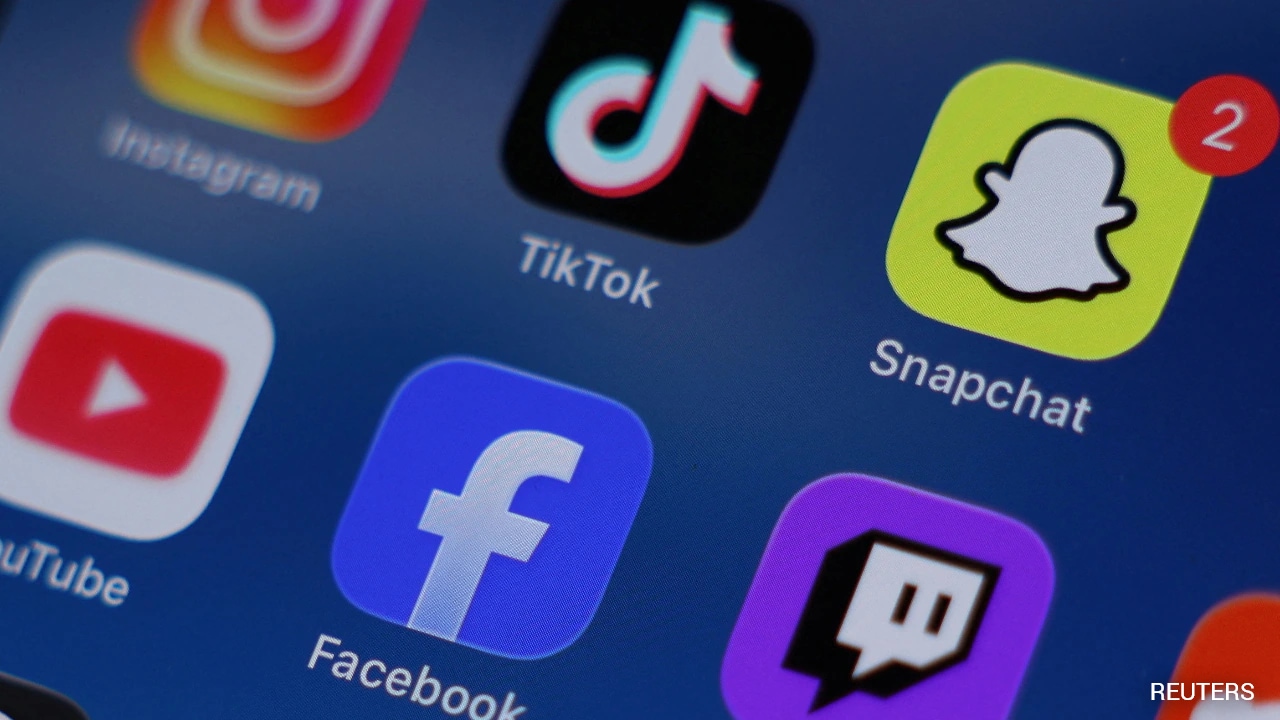
New Zealand is moving to bar children under 16 from opening social media accounts, joining a global regulatory wave that started when Australia put its own sweeping restrictions in place. Prime Minister Christopher Luxon announced the push, pointing to data showing one in three local children spends five hours a day plugged into apps like Instagram, TikTok, and Snapchat.
If the proposed legislation clears parliament, tech companies face massive financial pressure. We are talking about penalties reaching up to 10% of a platform's global revenue if they fail to keep underage users off their services. But the real question isn't whether Big Tech can afford the fines. It is whether the government can actually make a digital ban stick in a country where kids outsmart web filters before breakfast.
The Reality Behind the Under-16 Push
You don't need a government study to know that smartphones are eating childhood. Walk into any cafe in Wellington or Auckland and watch a group of teenagers sitting together in absolute silence, staring downward into glowing rectangles.
Luxon's announcement leans on stark figures: nearly 40% of teenagers surveyed wish social media had never been invented. Kids are drowning in algorithmic loops designed to monetize their attention spans. Sleep deprivation, skyrocketing anxiety, and fractured attention are the baseline.
The proposed Online Safety Bill targets high-risk apps, requiring them to deploy strict age-verification procedures. Platforms cannot just rely on a checkbox asking users to confirm they were born in 1990. The rules point toward facial estimation technology, digital IDs, and official identification documents.
Why Coalition Politics Threaten the Bill
Passing this law is far from a done deal. New Zealand runs on coalition politics, and Luxon's partners are pushing back hard.
The New Zealand First party, led by Winston Peters, slammed the concept as a dangerous slippery slope, arguing that keeping kids off phones is a parenting duty rather than a job for parliament. Meanwhile, the ACT party has expressed deep skepticism about government overreach. Because of these internal divisions, the National Party will have to rely on opposition support from parties like Labour to get the numbers.
Other critics point out the obvious loophole. Tech-savvy teenagers will use virtual private networks or fake credentials to bypass checks within hours of the law going live. Governments around the world are writing rules for a digital ecosystem that was built to ignore borders.
What Happens When You Try to Outsmart Tech Giants
Enforcement is where these laws usually fall apart. If a teenager wants to watch short-form videos, they will find a way.
Proponents admit that no verification system is airtight. Kids will try to skirt the guardrails using alternative accounts, borrowed credentials, or proxy networks. Yet, supporters argue that missing perfection shouldn't stop the pursuit of public safety. Shifting social norms matters. If schools, parents, and laws pull in the same direction, the cultural expectation around when a child gets a smartphone starts to shift.
Australia set the global precedent by locking out under-16s late last year. Countries like the UK, France, and Denmark are watching closely or building parallel frameworks. New Zealand wants to plant its flag in that same camp, signaling to Silicon Valley that ignoring minor safety comes with a heavy price tag.
If you are a parent trying to manage screen time right now, waiting for parliament to pass a bill won't fix dinner table scrolling tonight. Set hard boundaries on device-free bedrooms, turn off push notifications, and hold the line at home while politicians fight out the details in Wellington.