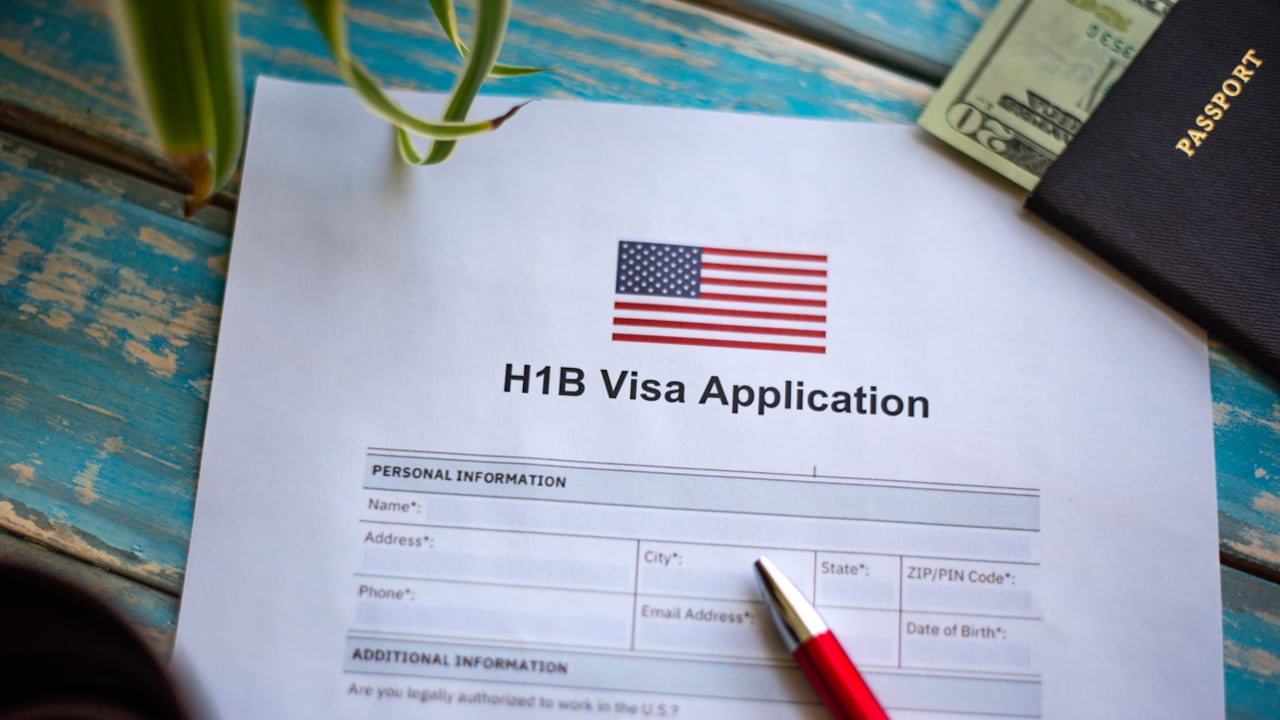
If you hold an H-1B visa or love someone who does, you already know the chronic anxiety of American immigration policy. Now, the Department of Homeland Security has revived a long-dormant proposal targeting the H-4 Employment Authorization Document, or EAD. The goal is simple and brutal: strip work authorization from dependent spouses.
Indian nationals will bear the brunt of this shift. They make up the overwhelming majority of H-1B holders and face green card backlogs stretching across multiple lifetimes. This proposed rule isn't just a political talking point. It represents an existential threat to dual-income households that rely on these earnings to pay mortgages, raise kids, and survive the high cost of living in major tech hubs. Building on this topic, you can also read: Institutional Detention Friction The Mechanics of Administrative Failure in Transnational Repatriation.
The Reality Behind The H 4 EAD Rollback
Let's look at why this matters right now. The H-4 EAD program didn't appear by accident back in 2015. It was created to stop top-tier engineering and medical talent from packing up and moving to Canada or Europe. Highly skilled workers weren't willing to watch their spouses—often accomplished software engineers, doctors, and researchers in their own right—sit at home unemployed for ten to twenty years while waiting for a green card.
Reviving this rollback plan changes the math entirely. Families are staring down a future where single-income dependency becomes mandatory again. If you're currently paying off a high-interest tech-sector mortgage in Seattle or the San Francisco Bay Area on one salary, you know that math doesn't work. Analysts at USA Today have provided expertise on this matter.
Who Gets Hit The Hardest And Why
The numbers tell a stark story. Indian professionals account for roughly three-quarters of all approved H-1B petitions. Because country caps on employment-based green cards create a century-long backlog for Indian applicants, H-4 spouses depend heavily on their EADs to build independent careers.
When the government talks about removing employment authorization from these spouses, they're talking about tens of thousands of professionals forced out of the workforce. Women make up the vast majority of H-4 EAD holders. Stripping their right to work halts professional trajectories, erodes household savings, and forces smart, ambitious people into complete financial dependency.
Navigating The Uncertain Window Ahead
Right now, panic is premature, but preparation is mandatory. The proposal is currently moving through the federal regulatory agenda as a long-term action item. It hasn't become law yet. The administration still has to publish the formal rule, invite public comments, and survive potential court challenges before any final policy takes effect.
Existing H-4 work permits remain valid. You don't need to quit your job today. But you do need a contingency plan.
- Audit your household finances: Assume your second income could disappear within the year. Build a cash buffer that covers at least six to nine months of fixed expenses.
- Explore alternative visa categories: Look into whether the working spouse can transition to an O-1 visa, or if the H-4 holder can qualify independently for an H-1B, L-1, or O-1 visa of their own.
- Track the regulatory docket: Keep a close eye on the Federal Register. Public comment periods offer a window to see how aggressively the agency pushes the timeline forward.
Immigration policy in the United States treats human lives like chess pieces. Don't wait until the final rule drops to figure out your next move. Protect your savings, talk to a qualified immigration attorney, and prepare for a bumpy ride.
Fubu Toy review
This video details how the proposed visa rule changes and potential loss of work permits for H-1B spouses impact affected families and household incomes.


