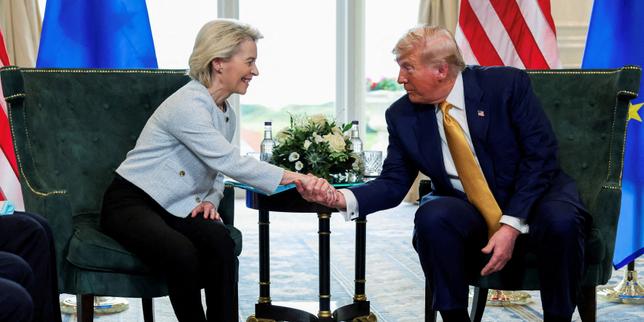
Trade wars are exhausting. After years of retaliatory tariffs on everything from steel to French wine, the European Union and the United States finally found some common ground. European member states just greenlit the implementation of a targeted commercial agreement with Washington. It focuses on eliminating specific customs duties. If you import or export goods across the Atlantic, you need to pay attention. This isn't just bureaucratic paperwork. It directly impacts your bottom line.
The deal didn't happen overnight. It represents a fragile truce in a long history of trade friction. Most mainstream coverage focuses entirely on the political handshakes, but that misses the point. The real story lies in the supply chains. It's about how small and medium-sized businesses can cut costs right now.
The Reality Behind the New Transatlantic Customs Agreement
Let's strip away the diplomatic fluff. The core of this agreement centers on the mutual reduction of customs duties for a select group of products. The EU is dropping tariffs on US lobster imports, while the US is cutting its duties on various European goods like prepared meals, certain plastics, and ceramics.
It sounds highly specific. It is. But the economic volume behind these specific sectors is massive. For instance, the elimination of the 8% EU tariff on American lobsters opens up millions of euros in trade volume that had dried up after Canada secured a duty-free deal with Europe years ago.
Politically, this is a strategic de-escalation. The European Council didn't approve this lightly. Member states like France and Germany had to balance their domestic agricultural interests against the broader need for economic stability. They chose stability. By implementing these targeted tariff cuts, both sides are trying to prove that negotiation works better than standard protectionist blockades.
Who Actually Wins in This Trade Deal
We need to look past the political victory laps. The immediate winners are specialized manufacturers and food exporters.
- European Exporters of Processed Foods: If you ship prepared meals or specialized confectionery to the US, your margins just got healthier. The US tariff reductions on these items make European products immediately more competitive on American grocery shelves.
- US Seafood Exporters: The New England lobster industry essentially got thrown a lifeline. They were losing massive market share to Canadian competitors who benefited from the EU-Canada Comprehensive Economic and Trade Agreement (CETA). This levelings the playing field.
- Industrial Supply Chains: The reduction of duties on certain chemical derivatives and plastics means that manufacturers using these raw materials on either side of the ocean will see lowered production costs.
The losers? Domestic producers in Europe who now face renewed competition from American imports without the protective cushion of high customs walls. French and Spanish seafood producers aren't thrilled about cheaper American shellfish entering their markets. They'll have to rely on branding and freshness to compete.
Common Mistakes Businesses Make During Tariff Shifts
When a customs agreement like this goes live, companies usually mess up in two distinct ways.
First, they assume the changes are automatic. They aren't. Customs authorities don't just magically update your shipping manifests. You have to actively claim the preferential tariff rates by filing the correct paperwork and utilizing the specific Harmonized System (HS) codes dictated by the new agreement. If your logistics team uses an outdated code, you'll keep paying the old, higher rate. You won't get a refund just because you didn't know the rules changed.
Second, businesses ignore the rules of origin. To qualify for these reduced customs duties, a product must truly originate from the exporting territory. You can't import cheap plastic components from Asia, package them superficially in Europe, and ship them to the US under the new lower tariff rate. Customs audits are brutal. If you can't prove the origin of your goods through detailed supply chain tracking, you face heavy fines.
How to Optimize Your Supply Chain Right Now
Don't wait for your competitors to figure this out. If you transport goods between the EU and the US, start audited procedures immediately.
Audit your product catalog against the newly released list of covered HS codes. Identify every single SKU that qualifies for duty reduction. Reach out to your freight forwarders and customs brokers to ensure their software systems are updated with the new tariff schedules.
Redesign your pricing strategy. If your import costs drop by 8%, you have a choice. You can keep your prices steady and pocket the extra margin, or you can lower your prices to aggressively capture market share from local competitors. Run the numbers to see which approach generates more long-term value for your brand.
Secure your documentation. Update your certificates of origin and ensure your suppliers provide rock-solid paperwork. If a customs official delays your shipment at the Port of Rotterdam or the Port of New York because of vague documentation, your projected savings will evaporate in storage fees. Get the paperwork right before the cargo leaves the warehouse.