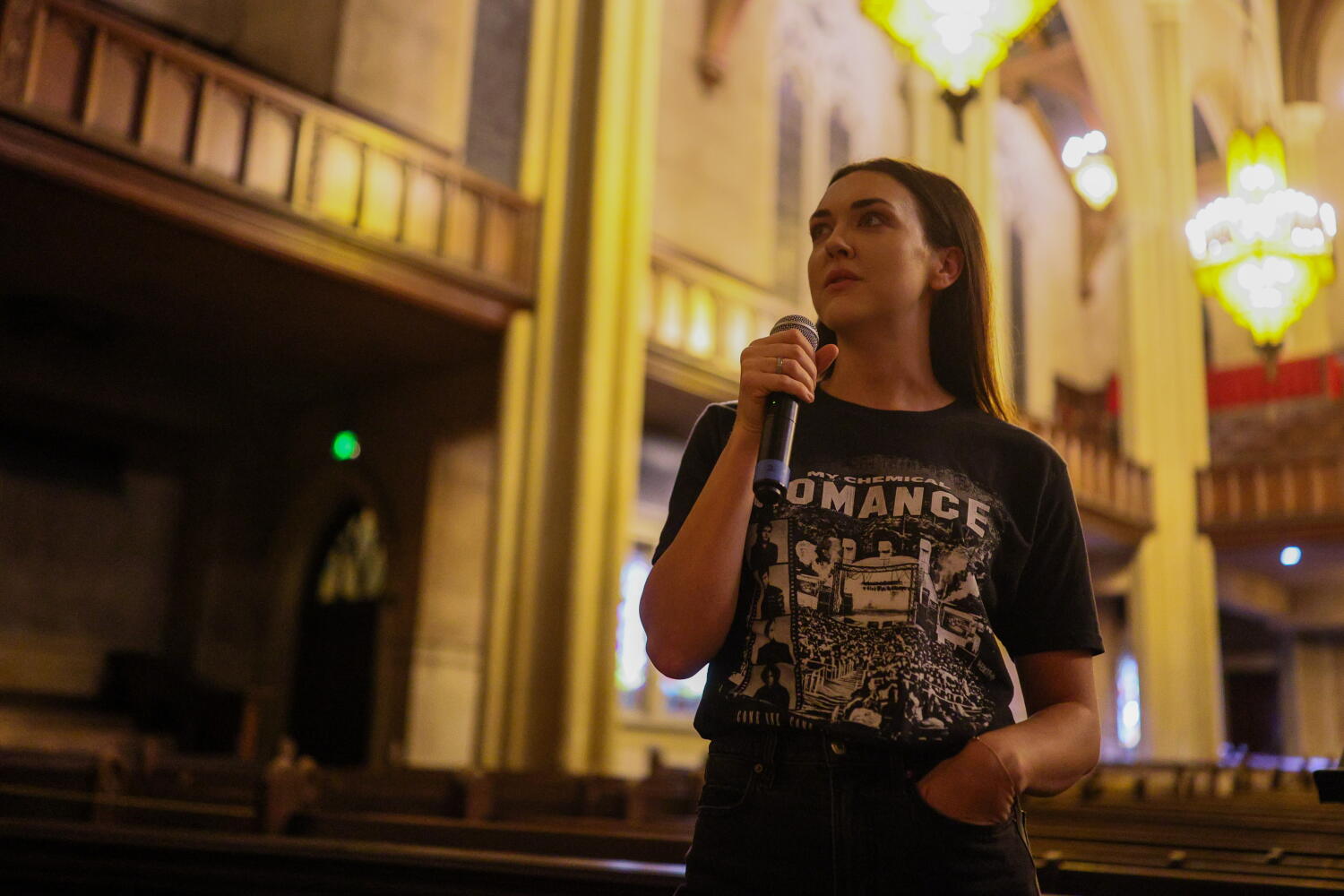
Natalie Maines of The Chicks has argued that compared with Donald Trump, she would now rather greet George W. Bush warmly—a striking reversal from the frontwoman who once became the central target of country music's fiercest political exile over her criticism of the 43rd president. That remark captures far more than a passing celebrity quip. It exposes how the rules of political dissent, corporate radio gatekeeping, and populist loyalty inside mainstream entertainment have shifted over two decades.
I have watched record executives, radio programmers, and publicists manage political controversies in Nashville and Los Angeles long enough to know that outrage is rarely organic on its own. It is amplified, policed, and monetized through very specific distribution channels. When Maines made her famous remark in London in 2003 ahead of the invasion of Iraq, expressing embarrassment that the president of the United States came from her home state of Texas, the backlash was swift and devastating. Radio stations pulled the group's music. CDs were smashed in public stunts. Death threats followed, alongside a steep drop in commercial momentum for a trio that had dominated sales charts and award shows.
For years afterward, Maines's name functioned as a shorthand warning inside the music business. Artists who wanted access to country radio formats, rural amphitheaters, and corporate sponsorships understood the unwritten boundary. You could sing about heartbreak, small towns, working-class pride, or faith, yet stepping outside the prevailing patriotic consensus carried an immediate economic cost.
How a 2003 Remark Turned Into a Career Earthquake
Timing explains much of why Maines's original comment hit like a thunderclap. In early 2003, national media coverage around the impending Iraq war ran hot, and dissent against the administration frequently faced accusations of disloyalty. A comment spoken from a stage in the United Kingdom carried extra weight for critics who viewed overseas criticism as a breach of solidarity.
Consolidation in commercial radio accelerated the fallout. By the early 2000s, fewer corporate ownership groups controlled large swaths of American FM stations, meaning a coordinated programming decision by major conglomerates could choke off airplay across dozens of markets almost overnight. Country radio has historically operated as a tight-knit ecosystem where programmers monitor listener reaction closely while balancing advertiser comfort and format identity. Once the backlash gained momentum, staying neutral looked riskier to station managers than dropping the songs.
Even so, blaming radio consolidation alone misses the genuine anger among fans who felt betrayed by a group they had embraced as authentic voices of Southern and Western culture. Many listeners did not experience the controversy as a debate over foreign policy doctrine. They experienced it as a personal slight from artists whose music had soundtracked their lives.
Comparing Bush and Trump Through Maines's Lens
When Maines later suggested she would prefer Bush over Trump, she was not rewriting history or endorsing Bush's policies on foreign intervention or civil liberties. Instead, she was measuring two different eras of political conflict and norm-breaking. Bush operated within recognizable institutional conventions, even when his administration pursued policies she strongly opposed. Trump represents a different style of political combat—one built on constant media confrontation, personal grievances, and fierce loyalty tests that polarize cultural spaces even more sharply.
From a purely analytical standpoint, that comparison highlights a paradox in modern American politics. Yesterday's political villain can look comparatively conventional once a more disruptive figure dominates the stage. Critics on the right may view that shift as selective amnesia or hypocrisy from an artist who once fiercely opposed Bush. Critics on the left often see it as a sober assessment of escalation—a recognition that political norms can erode further than they did twenty years ago.
Both readings contain a kernel of truth. Political memory is notoriously elastic, especially when partisans evaluate past leaders against present threats. Yet Maines has never pretended to be a neutral policy analyst; she has consistently spoken as a blunt, unfiltered performer reacting to the climate in front of her.
The Economics of Speaking Out in Mainstream Music
Public relations veterans often advise talent to split political commentary into two buckets: values that align with core fans, and controversies that alienate half the room. Maines has spent much of her post-2003 career operating outside the standard country radio playbook, leaning into touring, critical acclaim, and direct engagement with audiences who value candor over polish.
To understand how an artist's brand math changes over time, consider a hypothetical example involving a mid-career country act considering a sharp political post during an election cycle. Suppose the artist relies on conservative rural markets for seventy percent of ticket revenue and most terrestrial radio spins. Speaking out may energize a vocal minority of supporters and earn praise in national entertainment outlets, yet it can simultaneously shrink the pool of sponsors and venues willing to book the act without friction. Conversely, an artist whose audience skews urban, progressive, or genre-blending faces the opposite incentive structure, where silence can sometimes draw criticism from core listeners.
Mainstream entertainment rarely punishes or rewards speech in a vacuum; it prices in audience friction, distribution leverage, and long-term ticket demand.
That reality is why so many celebrities calibrate their statements carefully or pivot toward broader independent audiences. The Chicks' eventual name change in 2020 underscored how thoroughly the group had already separated its identity from the traditional country establishment that once shunned it. By the time Maines contrasted Bush with Trump, her standing no longer depended on winning back the gatekeepers who had exiled her in 2003.
What the Backlash Overlooked Then and Now
Looking back at the 2003 controversy, one overlooked factor was how quickly a single line of onstage banter eclipsed years of musical craft and band dynamics. Martie Maguire and Emily Strayer—now Martie Maguire and Emily Strayer—were alongside Maines through the storm, yet Maines became the lightning rod because she spoke the words aloud. In media ecosystems driven by soundbites, complexity is the first casualty.
Another gray area involves free expression versus commercial consequence. Nobody in the United States was jailed for criticizing the president in 2003, and Maines retained every legal right to speak her mind. At the same time, boycotts and programming shifts are also forms of market and cultural expression. Drawing a sharp line between government censorship and consumer or corporate pushback helps keep debates grounded, even when emotions run high.
Twenty-three years after that London stage remark, the political terrain has grown louder, faster, and far less forgiving of nuance. Maines's willingness to weigh Bush against Trump shows an artist still measuring the temperature of American power without flinching, reminding everyone watching that old battles never truly stay buried when new political earthquakes hit.