Salt crusts the windshield of the rusted rust-bucket tanker drifting three miles off the Eritrean coast. Down in the engine room, the air smells of scorching grease, stale sweat, and the quiet, heavy dread of a crew that has not seen land in four months. The chief engineer wipes a greasy forearm across his brow, staring at a small blinking red light on the dashboard. He does not know the names of the diplomats clinking crystal glasses in Riyadh or Cairo. He does not care about the grand communiqués drafted in air-conditioned halls five hundred miles away. He only knows that twenty miles ahead lies the Bab el-Mandeb strait, and the strait has teeth.
Look at a globe. Your finger traces the spine of the African continent, slips up past the horn, and pauses at a narrow silver thread connecting the Red Sea to the Gulf of Aden. Just twenty-six miles wide at its slimmest point, this is the throat of global commerce. Through this maritime bottleneck passes nearly twelve percent of all global trade, millions of barrels of oil every single day, and the bulk of the cargo containers carrying everything from European pharmaceuticals to Asian electronics.
When that throat closes, the world coughs.
Consider what happened when the Houthi movement seized control of those strategic coastal approaches, turning a regional conflict into an international maritime hostage crisis. Suddenly, the ancient trade routes mapped by Arab and Phoenician sailors thousands of years ago became contested military zones.
Insurance companies reacted first. The desks in London stopped quoting standard rates for passage through the southern Red Sea. Risk premiums spiked overnight, turning a routine voyage into a financial gamble. Captains received frantic satellite messages from corporate headquarters: cut the speed, turn off the automatic identification systems, pray for darkness.
For the average consumer sitting in a suburban kitchen in Ohio or a Parisian café, the connection feels impossibly distant. You buy a sweater or a new television, and it appears on your doorstep. You rarely think about the massive diesel engines churning through the night, the exhausted Filipinos and Indians standing watch on fog-shrouded bridges, or the precarious geography that makes modern life possible.
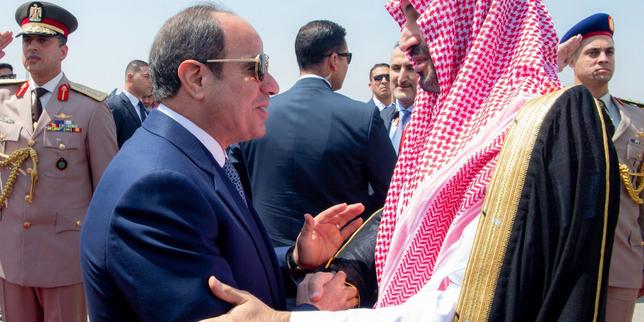
The geopolitical ripple effect was instantaneous. Riyadh and Cairo, two historic pillars of Middle Eastern stability, found themselves staring at a shared nightmare. Saudi Arabia, working desperately to secure its ambitious economic diversification projects and protect its Red Sea coastlines, realized that regional prosperity cannot exist when artillery shells whistle over commercial sealanes. Egypt, watching its vital revenues from the Suez Canal dry up as shipping lines diverted their vessels all the way around the Cape of Good Hope, felt the immediate pinch on its national ledger.
So the leaders spoke. They called for freedom and security of navigation. They issued the diplomatic warnings.
Words are cheap when missiles are flying.
The real tragedy of the Bab el-Mandeb crisis is not just economic; it is human. It is the invisible burden borne by merchant mariners who never signed up to be targets in a proxy war. Imagine standing watch on the wing of a container ship bridge at two in the morning. The sea is black ink. The sky is void of stars. Suddenly, a radar blip splits the screen. Not a dolphin. Not a fishing skiff. A low-flying drone, humming with explosive intent.
You have seconds to decide your next move. There is no armor plating on your hull. There is only steel, cargo, and human fragility.
When shipping companies abandon the Red Sea for the treacherous, wave-tossed detour around the Cape of Good Hope off South Africa, they add ten to fourteen days to every voyage. That means thousands of extra tons of carbon emissions pumped into an already warming atmosphere. That means higher fuel consumption, strained supply chains, and rising prices for basic goods passed down to families who are already struggling to make ends meet. Every container delayed at sea represents a factory waiting for parts, a hospital waiting for supplies, a grocery shelf running empty.
We live in an era that pretends distance no longer matters, that optical fiber and digital invoices have replaced the physical reality of the earth. We forget that civilization rests on a very thin veneer of logistical stability. We rely on people we will never meet, navigating waters we will never see, risking lives we will never mourn, just to keep our modern existence humming along.
The leaders in Riyadh and Cairo understand this, even if their communiqués sound sterile and bureaucratic. They know that a choked Red Sea is a slow poison to the Middle Eastern economy and global stability alike. They know that security is not a given state of nature; it is a fragile agreement maintained by presence, deterrence, and a willingness to protect the common arteries of mankind.
Back on the tanker, the captain makes his choice. He alters course five degrees to starboard, hugging the shadows of the African coastline, betting his life and the lives of his twenty-two crew members on a desperate calculation that today, just today, the horizon will stay clear.
The sun dips below the water, bleeding a bruised purple across the waves, leaving the ship alone in the dark, waiting for the dawn that may or may not arrive.


