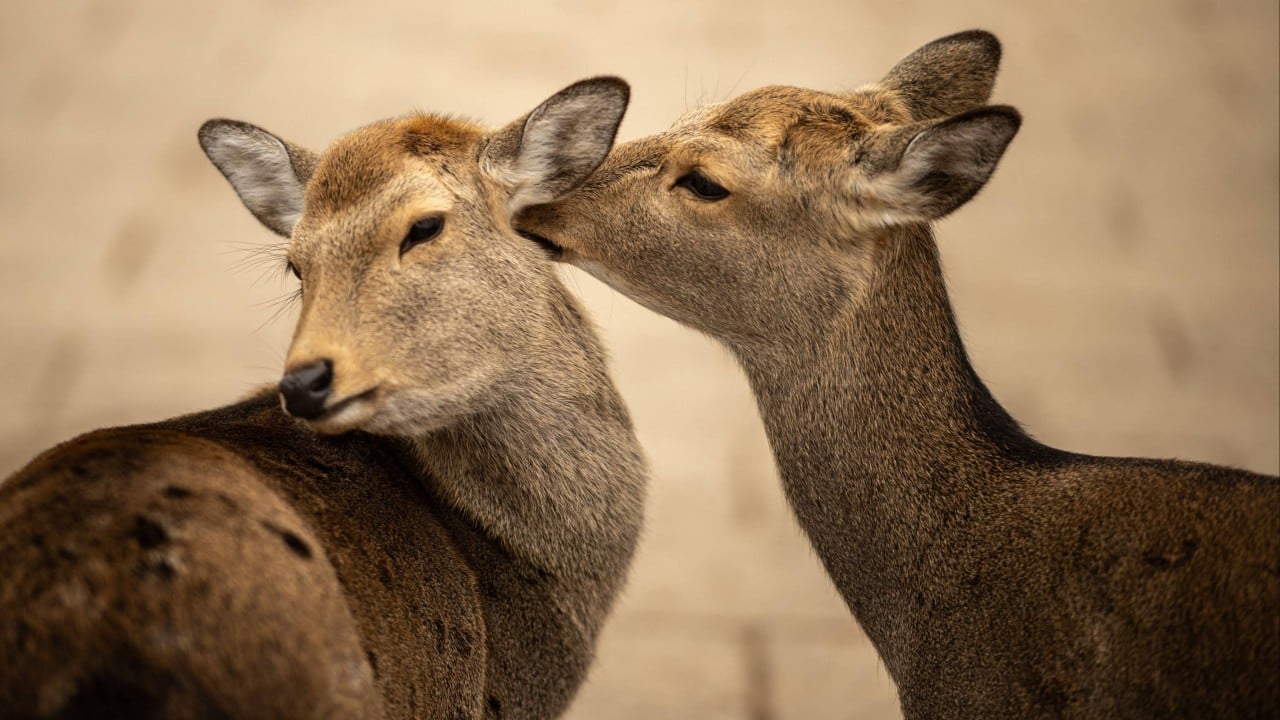
The sight of a wild sika deer bowing for a cracker in Nara Park is one of Japan's most iconic images. It's a peaceful, centuries-old tradition that feels frozen in time. But lately, things have gotten weird. Locals have started spotting these sacred animals miles away from their forest home, wandering into the urban sprawl of Osaka. If you think they're just lost, you're missing the bigger picture. This isn't a fluke; it's a sign that the boundary between Japan's wild spaces and its concrete jungles is thinner than we thought.
The Great Deer Migration to Osaka
Nara’s deer aren't your average forest creatures. They've been protected as national treasures since 1957 and are considered messengers of the gods in the Shinto faith. For generations, they've stuck to the 1,200-acre confines of Nara Park, safely tucked away within the city of Nara. Recently, however, reports have surfaced of deer trekking nearly 20 miles into the heart of Osaka Prefecture.
Why would a deer leave a lush park where tourists literally hand-feed them shika senbei (deer crackers)? The answer isn't a single "aha" moment. It’s a mix of population pressure, changing diets, and surprisingly, the deer’s own intelligence. They're exploring. When a population hits a certain density, the boldest individuals start looking for new territory. For a sika deer, a suburban backyard or a grassy highway median looks just as good as a temple garden.
I’ve spent time in Nara, and I can tell you these animals are tactical. They know the traffic lights. They know which tourists are "easy marks" for a snack. Moving into Osaka is just the next logical step for an animal that has lost its fear of humans.
Breaking Down the Numbers
The Nara Deer Preservation Foundation conducts a census every year. In 2024, the population inside the park was recorded at around 1,325. That sounds like a manageable number until you realize that "the park" isn't a closed cage. It’s an open ecosystem. Outside the park boundaries, in the wider Nara Prefecture, the population is exploding.
Farmers on the outskirts have been dealing with this for years. Sika deer cause millions of dollars in crop damage annually across Japan. What’s new is the urban infiltration. Seeing a deer near a train station in Higashiosaka isn't just a "cute" social media moment. It’s a logistical nightmare for local police and a safety hazard for drivers who don't expect a 150-pound animal to bolt across a six-lane road.
Why the Bowing Ritual Matters
A lot of people think the deer bow because they're being polite. Let’s be real. It’s a learned behavior for food. Research from places like Kyoto University has shown that these deer have adapted their communication to interact specifically with humans. They aren't "wild" in the traditional sense, but they aren't "domesticated" either.
This middle-ground status makes their migration more dangerous. Because they expect humans to have food, they approach people in Osaka who might not know the rules. In Nara Park, there are signs everywhere in five languages telling you how to feed them without getting bitten or head-butted. In the streets of Osaka, there are no signs. You just have a confused salaryman and a hungry, muscular deer face-to-face at 11 PM.
The Impact of Tourism Volatility
The COVID-19 pandemic changed the deer. When Japan closed its borders, the steady stream of crackers vanished. The deer didn't starve—they actually returned to eating more grass and natural vegetation—but they also started wandering further to find calories. Even though tourism has roared back, that "explorer" instinct seems to have stuck.
The deer realized that the world doesn't end at the edge of the park. They found that residential gardens have delicious ornamental plants and that roadside grass is often lush and well-watered. Essentially, the pandemic taught the Nara deer how to be commuters.
Surviving a Deer Encounter in the City
If you happen to spot one of these hoofed residents while you're hunting for takoyaki in Osaka, don't treat it like a petting zoo. These are wild animals with sharp hooves and antlers.
- Keep your distance. Don't try to get a selfie. A deer in an urban environment is likely stressed and unpredictable.
- Hide your food. If they smell something in your bag, they will follow you. They can be incredibly persistent.
- Don't feed them "human" food. Sika deer have complex digestive systems. Bread, chips, or leftovers can make them seriously ill or even kill them.
- Call the authorities. If the deer is in traffic or a high-density area, contact the local police or a wildlife organization. They have the equipment to relocate the animal safely.
The Future of the Sacred Sika
Japan is currently wrestling with how to manage this. There’s a deep cultural resistance to culling the Nara deer because of their religious significance. Yet, as they move further into Osaka and other neighboring areas, the risk of car accidents and property damage grows. We’re looking at a future where "deer management" becomes a standard part of urban planning in the Kansai region.
It’s a bizarre collision of ancient tradition and modern urban sprawl. One minute you're looking at a neon billboard for a new tech gadget, and the next, a messenger of the gods is grazing on the lawn of a convenience store.
If you’re planning a trip to the region, stick to seeing the deer in Nara Park. It’s safer for you and much better for the animals. Support the Nara Deer Preservation Foundation by buying the official crackers—the proceeds go toward protecting the herd and keeping the park clean. If you see a deer outside its usual haunts, give it space and let the professionals handle the "commute" back home.