Foreign policy experts love a predictable script. They crave white papers, "strategic frameworks," and the comfort of a 20-year roadmap that never actually goes anywhere. When they look at the Trump administration’s maneuvers in Iran or the shifting sands of Pakistan peace talks, they see "ramblings" and "incoherence." They are wrong. They are mistaking the deliberate destruction of a failed status quo for a lack of direction.
The critics are still playing checkers in an era where the board has been flipped over. What they call a lack of an "end goal" is actually the implementation of radical optionality. In a world of asymmetrical threats, the most dangerous thing a superpower can be is predictable.
The High Cost of Clarity
The "lazy consensus" among the D.C. intelligentsia is that ambiguity is a weakness. They argue that if the U.S. doesn’t clearly define its "red lines," it invites aggression. History proves the opposite. When the U.S. draws a line in the sand—like the infamous Syrian red line of the 2010s—and fails to act, its credibility vanishes.
By refusing to define the exact parameters of a military response in Iran, the administration creates a psychological tax on the adversary. If Tehran doesn't know where the ceiling is, they have to gamble every time they move a chess piece. Uncertainty is a force multiplier. It forces the opponent to spend more resources on "what if" scenarios than on actual operations.
I’ve sat in rooms where "experts" argued that we needed to provide a clear off-ramp for every dictator. That logic assumes the dictator wants to drive off the highway. Sometimes, you just need to make the road so terrifying that they stop driving altogether.
The Pakistan Pivot: Stop Paying for Betrayal
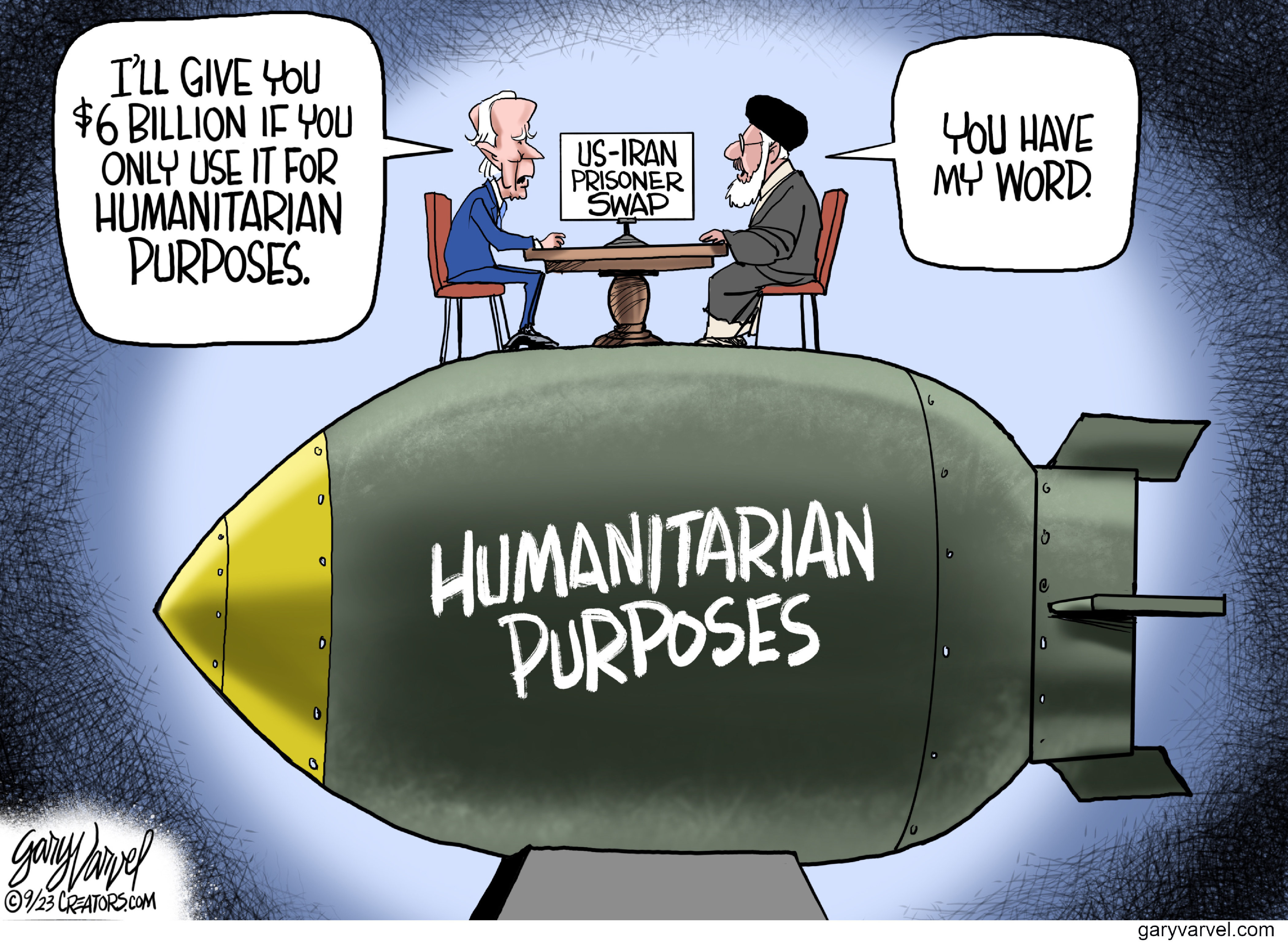
The standard critique of the administration’s stance on Pakistan is that it "destabilizes" the region by being too blunt. The "peace talks" are often described as erratic. Let’s be brutally honest: the previous strategy was to pay billions in aid to a government that was actively harboring the people shooting at our soldiers.
That isn't "stability." That's a protection racket where the victim pays the bully to keep the lights on.
Disrupting this cycle requires the kind of "ramblings" the media hates—public call-outs, frozen funds, and a refusal to stick to the polite fictions of diplomacy. The status quo was a slow-motion defeat. By injecting volatility into the relationship, the U.S. reclaimed the only leverage that matters: the ability to walk away.
The Game Theory of Social Media Diplomacy
Every time a policy shift happens via a 2 a.m. post, the think tanks have a collective meltdown. They claim it bypasses the "interagency process."
Good.
The interagency process is where bold ideas go to be suffocated by a thousand paper cuts. It is a machine designed to produce the safest, blandest, and most ineffective version of any given strategy. Using direct communication to signal intent—or to mask it—removes the filter of the bureaucracy. It allows for a speed of maneuver that traditional diplomacy cannot match.
Imagine a scenario where a CEO waits for a quarterly board meeting to respond to a competitor's hostile takeover. They would be slaughtered. Yet, we expect the leader of the free world to wait for a three-month policy review before responding to a drone strike or a trade violation?
The "ramblings" are a bypass valve. They allow for the projection of power in real-time, while the "experts" are still trying to find a conference room.
The Fallacy of the End Goal
"What is the end goal?" is the most common—and most flawed—question in modern geopolitics. It assumes that there is a static, "happily ever after" state for the Middle East or South Asia.
There isn't. Geopolitics is an infinite game, not a football match. You don't "win" and go home. You manage interests, mitigate risks, and maintain an advantage.
The demand for a defined "end goal" is actually a demand for an exit strategy. It’s a polite way of asking, "When can we stop caring?" By staying ambiguous on the final state, the U.S. stays relevant in the process. If the goal is "regime change," the adversary has nothing to lose. If the goal is "behavioral change" but the definition of that change is fluid, the adversary has everything to negotiate for.
The Institutional Fear of the Unconventional
The pushback against this method isn't based on its results; it's based on its aesthetics. The foreign policy establishment hates the Trump method because it makes them look unnecessary. If a President can move the needle on North Korea or the Abraham Accords by ignoring the "proper channels," then what are the thousands of career bureaucrats actually doing?
They are protecting their own relevance. They define "good" policy as policy that follows their specific, slow-moving rules.
- Rule 1: Never offend a "partner," even if they are stabbing you in the back.
- Rule 2: Always use "measured" language that says nothing.
- Rule 3: Prioritize the process over the outcome.
The administration’s "war method" violates all three. It prioritizes the outcome—whether that’s a revised trade deal or a neutralized threat—over the feelings of the diplomatic corps.
The Risk of the Counter-Intuitive
Is this approach perfect? No. There is a genuine risk that ambiguity leads to a miscalculation. An adversary might push too far, thinking the "ramblings" are just noise, and accidentally trigger a conflict that neither side wanted.
But compare that to the alternative: the "strategic patience" of the past two decades. That era gave us a nuclear North Korea, an expanded Iranian influence across the Levant, and a permanent war in Afghanistan. The "polite" way wasn't just failing; it was accelerating the decline of American influence.
The contrarian truth is that the world is more stable when the hegemon is slightly unpredictable. It forces everyone else to be on their best behavior.
Stop looking for the "logic" in the transcripts. The logic is in the disruption itself. The "ramblings" aren't a sign of a mind in disarray; they are the sound of a system being forced to adapt to a reality it has ignored for thirty years.
If you’re waiting for a 50-page PDF to explain the "end goal," you’ve already lost the plot. The goal is the leverage. The method is the madness.
The next time you see a headline about "geopolitical uncertainty," don't panic. Start looking for the opportunity it just created.
Stop asking for a map and start watching the moves.