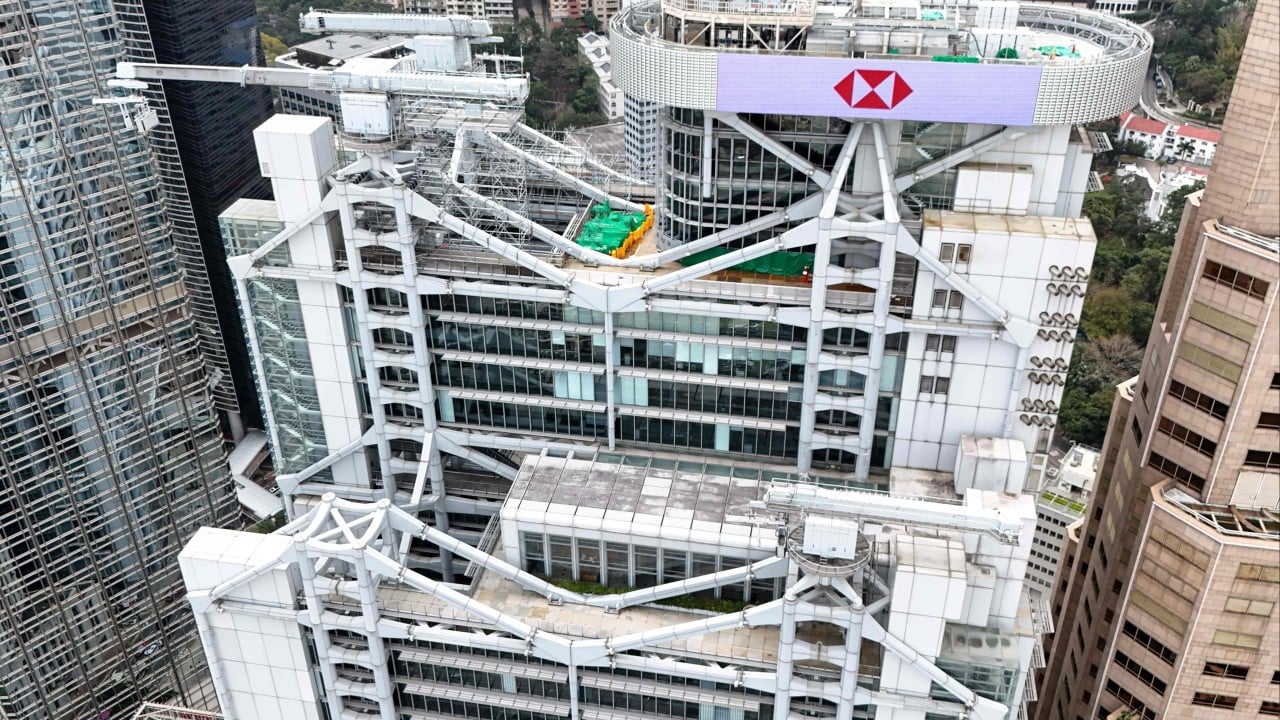
The headlines are breathless. HSBC shifting a top executive back to Hong Kong is being hailed as a visionary pivot, a masterstroke of doubling down on the East, a bold physical anchoring where the money actually flows.
It is theatre. Pure, unadulterated corporate pantomime designed to appease regional regulators and soothe anxious investors who mistake frequent flyer miles for strategy.
I have watched institutions burn millions on relocation packages, luxury housing allowances, and ego-driven board mandates, all under the guise of geographical alignment. Let us strip away the glossy corporate PR and look at how modern capital actually moves. Hint: it does not care where the corner office is located.
The Geography Fallacy in a Digital Economy
The lazy consensus argues that physical proximity equals strategic relevance. If you want to win in Asia, your leaders must breathe the air in Central, drink the espresso in the IFC, and stare out over Victoria Harbour.
This logic belongs in the twentieth century.
Capital allocation, liquidity management, and risk compliance do not reside in a specific zip code. They live in code, secure server clusters, and centralized data streams. Moving a senior executive across time zones does nothing to alter the fundamental mechanics of cross-border lending, wealth management margins, or regulatory friction.
Imagine a scenario where a bank relocates its chief operating officer to Hong Kong. Does the local credit committee suddenly approve loans faster? Do local compliance hurdles vanish because someone important is sitting two floors above them? Of course not. Regulatory frameworks are codified by law, not influenced by proximity to an executive dining room.
When banks throw weight behind a physical shift, they are usually treating a symptom while ignoring the disease. The disease is structural bloat and an inability to compete with agile digital-first competitors who never bothered opening marble-columned branches in the first place.
The Cost of Corporate Nostalgia
Let us talk about the math nobody wants to publish on investor day.
Relocating senior leadership internationally is a staggering capital drain. You are paying for cost-of-living adjustments, private school tuition for executives' children, hazard pay equivalents for high-tax jurisdictions, and redundant administrative support systems on both sides of the globe.
I have seen companies blow millions on these geographic chess moves only to find that the decision-making bottleneck remained exactly where it was before: trapped in layers of middle management and bureaucratic committee approvals.
The defenders of the move will point to client relationships. They will argue that Asian ultra-high-net-worth individuals demand face time.
Let us be brutally honest about modern wealth. Asian capital is globalized, cynical, and deeply mobile. Family offices in Singapore, Hong Kong, and Dubai do not care if an HSBC executive is in town for a cocktail reception. They care about yield, execution speed, and discretion. If your product offering is sluggish, no amount of localized hand-shaking will save your market share from sleek, low-overhead competitors.
The Real Pivot Nobody is Discussing
If HSBC actually wanted to win the Asian market, they would stop shuffling high-salaried expats around the globe and focus on talent arbitrage and technological autonomy.
The real winners in Asian banking are ruthlessly localized and hyper-digitized. They hire local talent who understand regional nuances organically, rather than dropping a Western executive into a foreign market with an army of consultants to translate the cultural subtext.
Furthermore, the structural split between Western and Eastern regulatory pressures is real. Geopolitical friction between Washington and Beijing creates an impossible compliance tightrope. Shifting a single senior executive does nothing to solve the dual-hatted nightmare of complying with conflicting jurisdictional demands. It is a cosmetic fix to a structural fracturing of global trade.
Admitting the limitations of this strategy comes with a heavy dose of irony. My contrarian take is not that Hong Kong is unimportant. Hong Kong remains a vital financial funnel. The delusion is believing that moving a human being with a corner-office title changes the fundamental physics of global banking dominance.
Stop buying the narrative that corporate geography dictates destiny. Capital goes where it is treated best, and it stays where the infrastructure is frictionless.
Let the executives collect their relocation bonuses. The market will judge them by their balance sheets, not their boarding passes.