The rain did not fall like water. It fell like an eviction notice.
In the high, green folds of the Nepalese foothills, where the earth is usually a stubborn ally to the people who claw their lives out of its terraces, the monsoon had turned feral. There was no polite warning. No gradual rising of the river that gave villagers hours to pack a tin trunk with heirlooms and birth certificates. There was only the sudden, tearing roar of a mountain unlatching its grip.
Imagine standing on a ledge while the floor beneath your feet ceases to be solid rock and becomes a liquid throat, swallowing trees, livestock, and slate roofs whole. You do not think about politics. You do not think about infrastructure budgets or climate statistics. You think about air. You think about the next three feet of earth.
That was the reality for one young boy whose name was swallowed by the news cycle, reduced to a dry statistic in a local dispatch: school reached, mountain climbed, survival secured. But the shorthand of journalism erases the terror of the climb. It erases the heavy, drowning weight of a schoolbag filled with cheap notebooks and a slate pencil, a bag he refused to drop even when his lungs burned and his fingers tore against wet, jagged shale.
He had left his house that morning under the grey, bruised belly of a monsoon sky. Two younger sisters stayed behind in the low-slung stone cottage near the riverbank, playing with clay dolls while their mother cooked lentils over an open hearth. The boy walked the narrow footpath toward the village school, his mind occupied by multiplication tables or the games waiting at the recess bell.
Then came the sound.
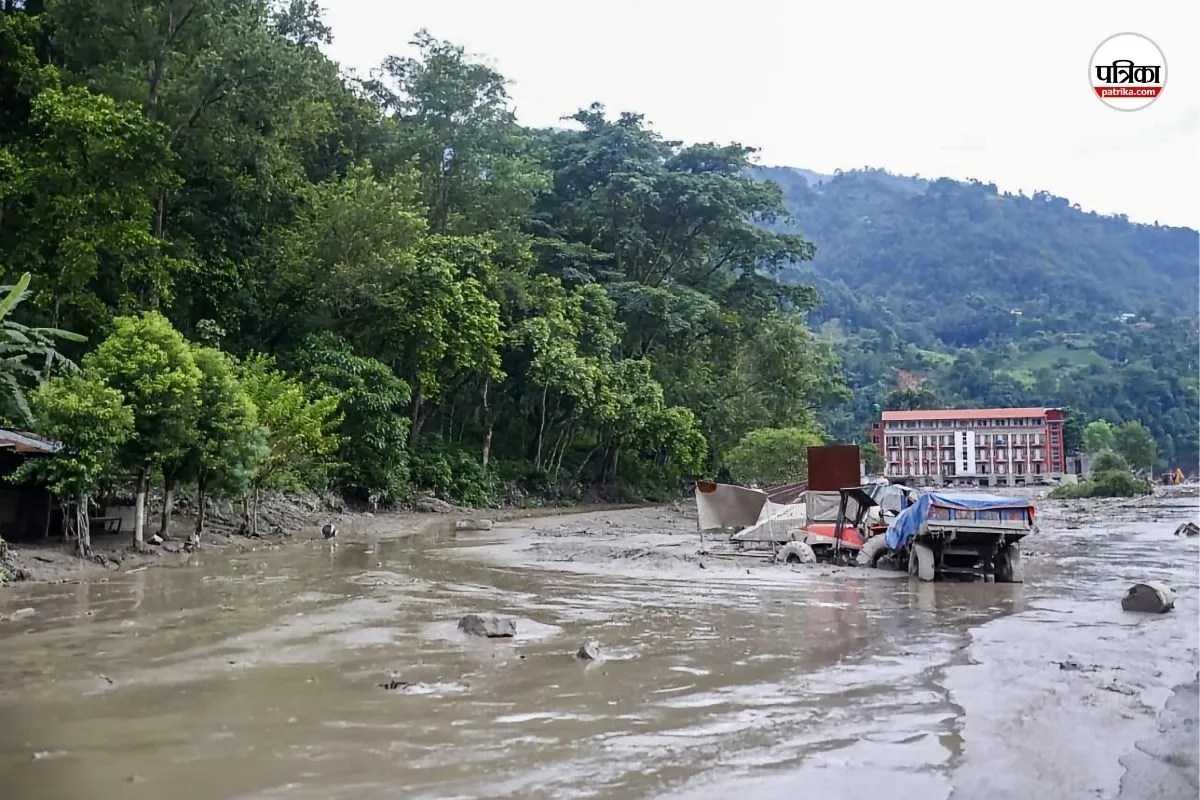
It was not thunder. Thunder stays in the sky. This noise came from the dirt itself, a grinding, metallic groan of boulders colliding beneath the surface. When he turned back, the familiar path was gone. The river had swollen into a brown, foaming monster that had already swallowed the lower pasture and was reaching its claws toward the doorstep of his home.
Panic is a poor navigator, but terror has an instinctive, animal logic. The boy did not run toward the house. He knew the math of the flood. He knew that a child's legs against a wall of rushing silt would be nothing more than straw in a broom. Instead, he turned his back on everything he loved, faced the sheer wall of the hill behind the schoolyard, and began to climb.
He climbed the way a drowning man climbs a rope. Mud greased his bare feet. Thorny bushes shredded his shirt. Every breath tasted of wet dust and iron. Below him, the world was rearranging itself in real time, turning green valleys into grey graveyards. He could not look back to see if his sisters had made it to the roof. He could not check if the thatch of their cottage was still holding against the current. He only knew that stopping meant sliding backward into the churning brown chaos.
When he finally clawed his way onto a high, rocky outcrop far above the tree line, his hands were bleeding, his chest heaving as if he had run across a continent. He sat in the cold rain, shivering not just from the mountain wind, but from the unbearable silence of survival.
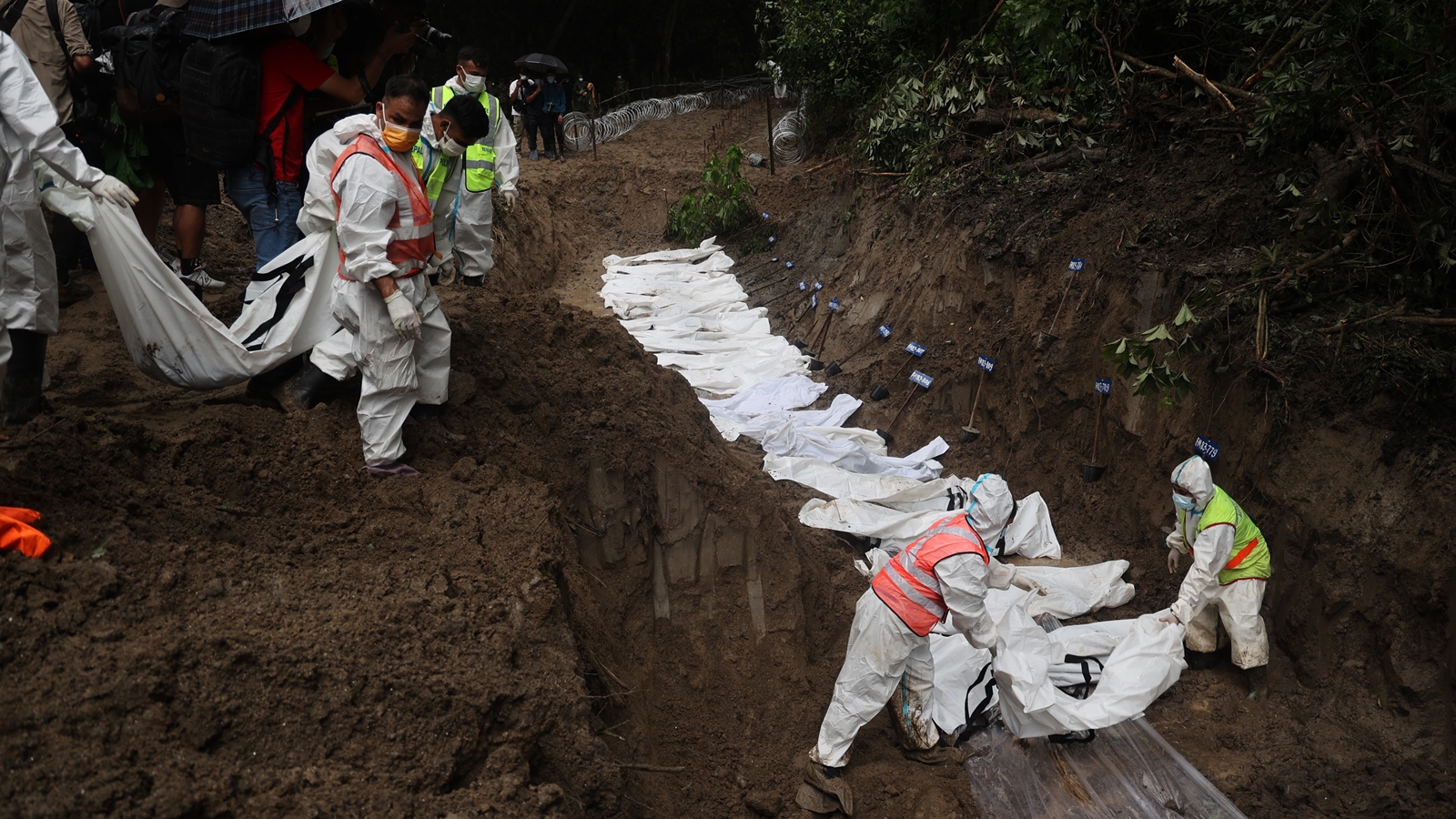
Down below, his family was trapped in the ferocious grip of the Nepal floods, a disaster that repeats itself with cruel predictability year after year across the Himalayan foothills. We read these reports over morning coffee. We look at aerial photographs of brown rivers carving new paths through devastated settlements. We see the numbers—dozens displaced, bridges washed out, roads blocked by landslides—and we turn the page.
We forget that every single digit in those casualty reports is a child whose fingers are torn from climbing a rock face. We forget the sisters left behind in the kitchen, staring at a door that suddenly opened to a wall of water.
The human cost of climate volatility in regions like Nepal is not an abstract policy failure. It is a physical tax paid by the most vulnerable, exacted in the currency of split-second decisions made by children who should be worrying about homework instead of high-altitude survival. When the mountain decides to move, it does not negotiate. It simply demands that you choose between the life you know and the height you can reach.
He sat on that ledge for hours, drenched and freezing, watching the muddy torrent roar through the valley where his childhood used to be. The rain eventually slowed to a miserable drizzle, leaving behind a landscape stripped of its innocence, where the old paths led nowhere and the river had claimed a new dominion. And high above the ruin, the boy stared down at his bloodied hands, realizing that while he had cheated the flood, the geography of his entire life had shifted forever.