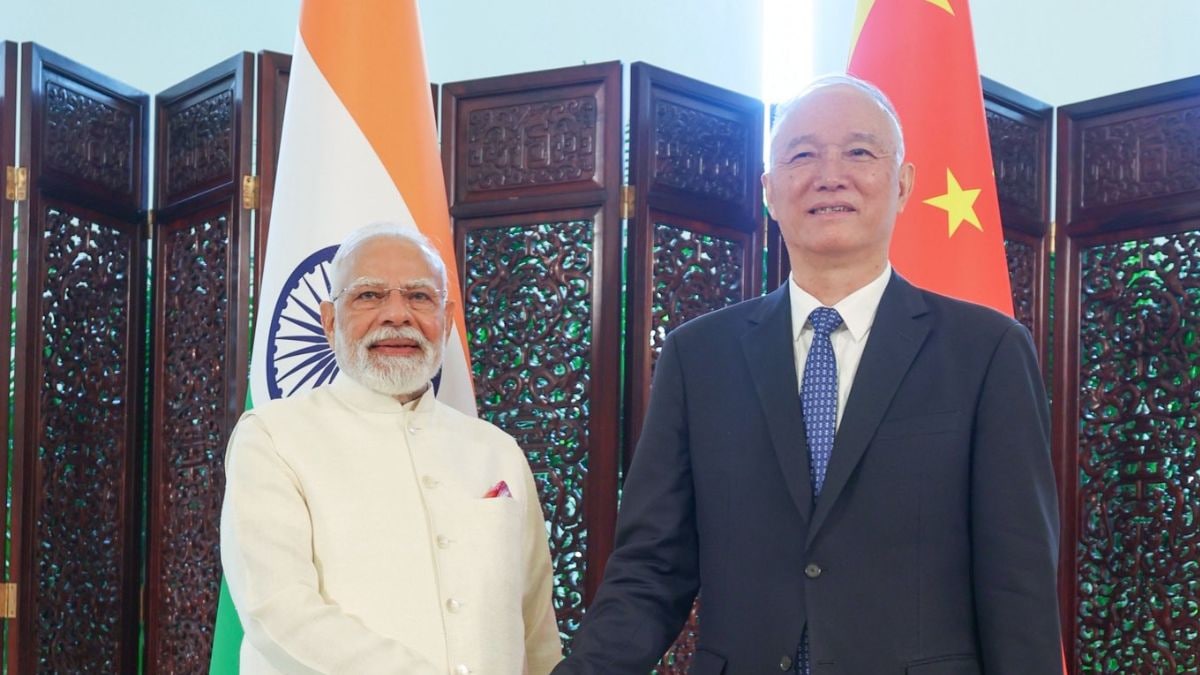
The mainstream press breathlessly reported the handshake at Bharat Mandapam like a standard diplomatic photo-op. They talked about warmth, handshakes, and shared historical ties. They missed the entire economic earthquake happening beneath their feet.
Every major Western editorial board framed the summit through the tired lens of old alliances cracking under pressure. That analysis is decades out of date. New Delhi and Moscow are not trading pleasantries; they are architecting the plumbing for a post-dollar global commerce system. When Prime Minister Narendra Modi welcomed Vladimir Putin, they weren't reminiscing about Cold War nostalgia. They were stress-testing bilateral trade channels designed to bypass SWIFT, evade secondary sanctions, and render Western financial chokeholds obsolete.
I have spent years tracking cross-border liquidity flows and sovereign debt negotiations in emerging markets. I have watched bureaucratic institutions blow millions trying to patch leaking financial infrastructure while ignoring the structural rot at the core of the Washington-led consensus. The BRICS bloc is no longer a talking shop for diplomats who like canapés. It is an operational counterweight.
The De-Dollarization Reality Check
The lazy consensus in Western media assumes that the US dollar is bulletproof because of network effects. That argument ignores how marginal incentives work in international trade. When you weaponize a reserve currency by freezing central bank reserves—as Washington did to Russia—you do not protect its dominance. You give every non-aligned capital city a loud, unmistakable warning.
Bilateral trade between India and Russia has surged past historic highs, denominated almost entirely in national currencies like rupees and rubles. Critics in London and New York call this a messy workaround. They point to the accumulation of rupee surpluses sitting idle in Indian banks as proof that the system is broken.
That critique misunderstands the mechanics of economic transition. Surplus accumulation is just the friction phase of any new liquidity network. Moscow is using those rupees to buy heavy machinery, pharmaceuticals, and agricultural goods from Indian exporters, while energy flows uninterrupted through discounted crude contracts that save the Indian economy billions in current account deficits.
The Bharat Mandapam Signaling
Choosing Bharat Mandapam as the backdrop was a calculated masterstroke of sovereign positioning. This is the exact venue where India hosted the G20, projecting technological modernization and civilizational confidence to the world stage. By bringing Putin here, New Delhi sent a blunt message to Washington, Brussels, and Tokyo: India's strategic autonomy is non-negotiable, and multi-alignment is not fence-sitting—it is active leadership of the Global South.
Washington wants a binary world. Choose democracy or choose autocracy. Choose the dollar or choose isolation.
That framework fails because the Global South refuses to bear the inflation tax of American fiscal dominance. When the Federal Reserve hikes interest rates, it exports financial pain to emerging markets. New Delhi knows this. Moscow lives this. By formalizing alternative settlement mechanisms, they are creating a pressure release valve for every emerging economy tired of importing American monetary policy.
The Structural Vulnerabilities Nobody Mentions
Let's be entirely candid about the downside risks, because a truly contrarian stance must survive its own scrutiny. This alternative architecture is not frictionless.
- Currency Mismatches: Rubles and rupees do not have the global liquidity depth of the euro or the dollar. Exporters on both sides take on currency volatility risk that requires central bank intervention to mitigate.
- Secondary Sanction Pressures: Indian private commercial banks face relentless compliance scrutiny from Western regulators fearful of violating compliance thresholds.
- Asymmetric Interdependence: Russia needs India's market far more than India needs Russian consumer goods, creating a dynamic where New Delhi holds the strategic cards but must manage Beijing's parallel ambitions inside the broader BRICS framework.
Despite these hurdles, the momentum is irreversible. The infrastructure of alternative trade is sticky. Once a commercial enterprise learns how to settle accounts without clearing through New York, it rarely goes back to paying tribute to the old system.
The Cost of Misunderstanding the Shift
Corporate strategists in Western boardrooms who dismiss these developments as regional noise are committing a strategic error. They are looking at the global economy through a rear-view mirror.
If your supply chain, treasury operations, or investment thesis relies on the assumption that the unipolar post-Cold War financial order is permanent, you are sleepwalking into obsolescence. The center of gravity in global trade is shifting eastward and southward, built on commodity-backed bilateral ledgers and independent payment rails.
The handshake at Bharat Mandapam was not a diplomatic courtesy. It was the blueprint for the next century of commerce. Stop watching the rhetoric. Look at the ledger.