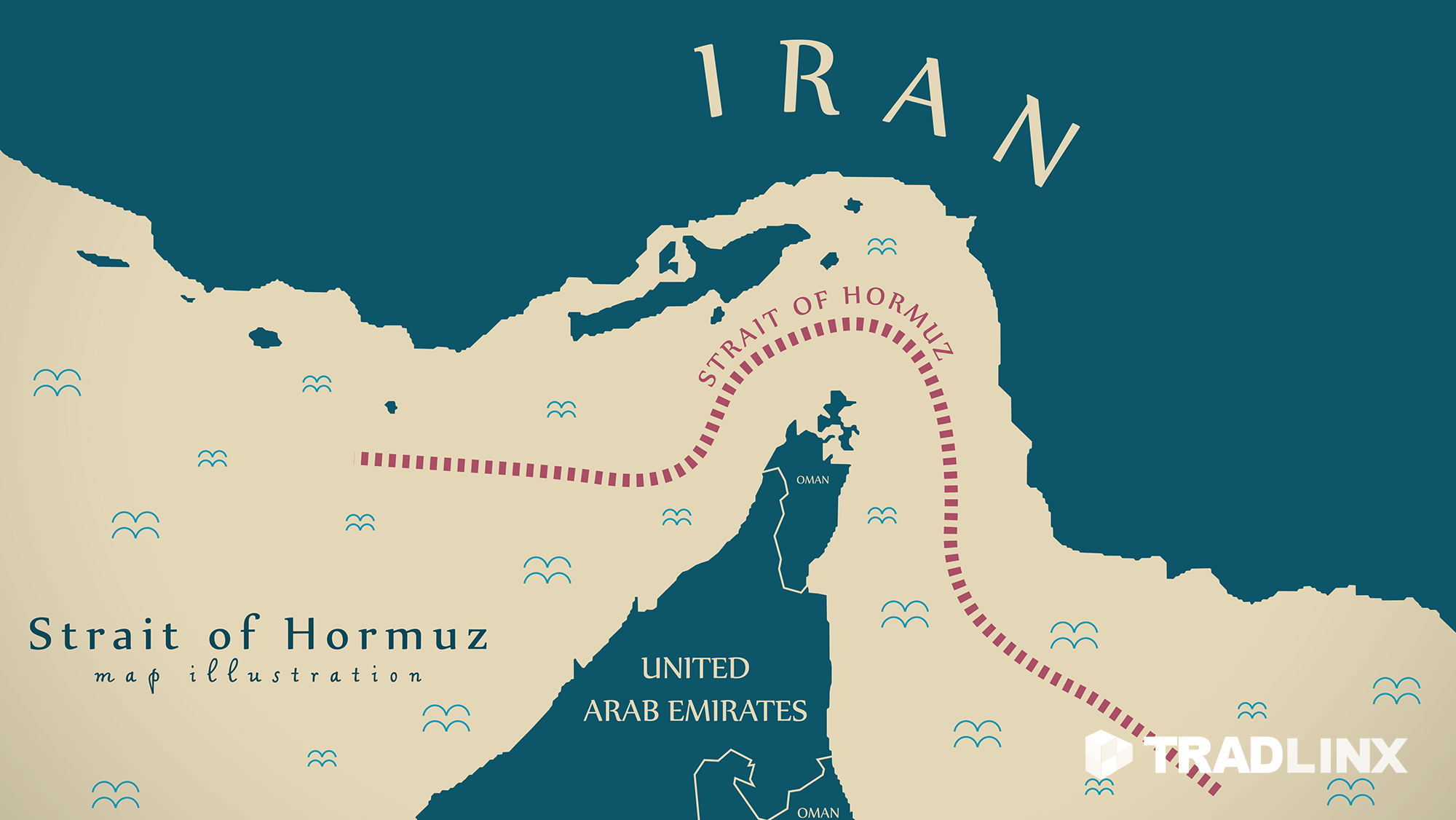
Japanese car manufacturers are staring at a massive problem that doesn't involve chips or software. It’s aluminum. Specifically, the high-grade aluminum that flows from the Middle East to Japan’s industrial ports. When the supply lines from the United Arab Emirates and Bahrain tighten, the assembly lines in Toyota City and Yokohama start to stutter. This isn't just a minor shipping delay. It's a fundamental break in how Japan builds cars.
If you think the transition to electric vehicles (EVs) makes this less of a problem, you’re wrong. It makes it worse. Modern cars are getting lighter to offset heavy batteries. That means more aluminum. Japan’s auto sector relies on Middle Eastern smelters for a huge chunk of its "green" and high-purity metal. When those smelters cut back or shipping lanes get messy, the ripple effect is instant. We’re seeing a classic example of how a concentrated supply chain can wreck even the most efficient manufacturing systems on earth.
Why Japan Can’t Just Source Metal Elsewhere
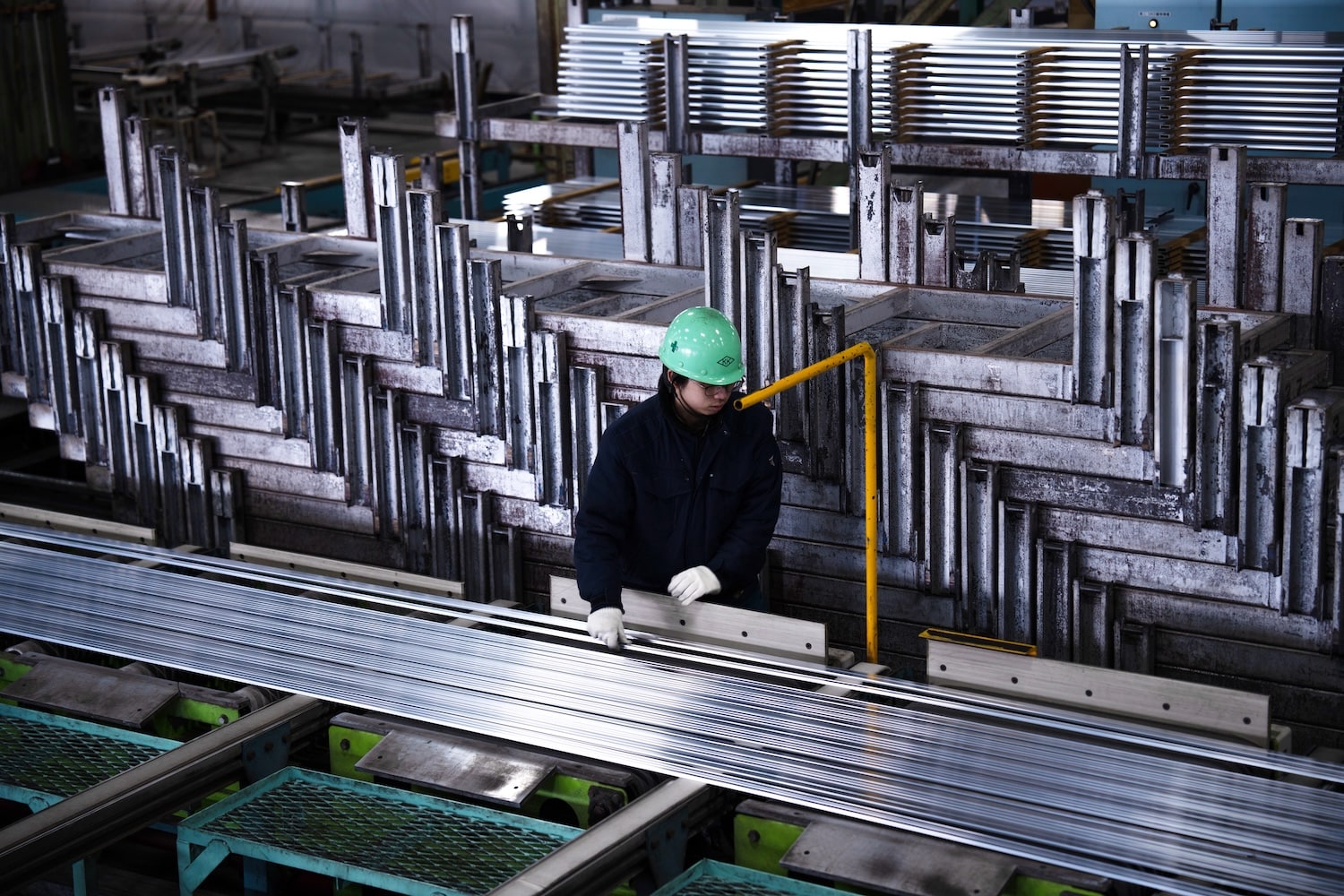
Most people assume aluminum is a commodity you can buy anywhere. On paper, that’s true. In reality, the automotive grade stuff is different. Japanese OEMs (Original Equipment Manufacturers) have incredibly strict specs for the alloys used in engine blocks, frames, and body panels. You can’t just swap out UAE-sourced primary aluminum for scrap or lower-grade ingots from another region without recalibrating your entire casting process.
Smelters in the Middle East, like Emirates Global Aluminium (EGA), have spent decades tailoring their output for the Japanese market. They offer low-carbon aluminum powered by solar or efficient gas, which helps Toyota and Honda meet their sustainability targets. Finding a replacement that meets those specific chemical and environmental standards takes months, if not years. You don't just "pivot" in the middle of a production cycle.
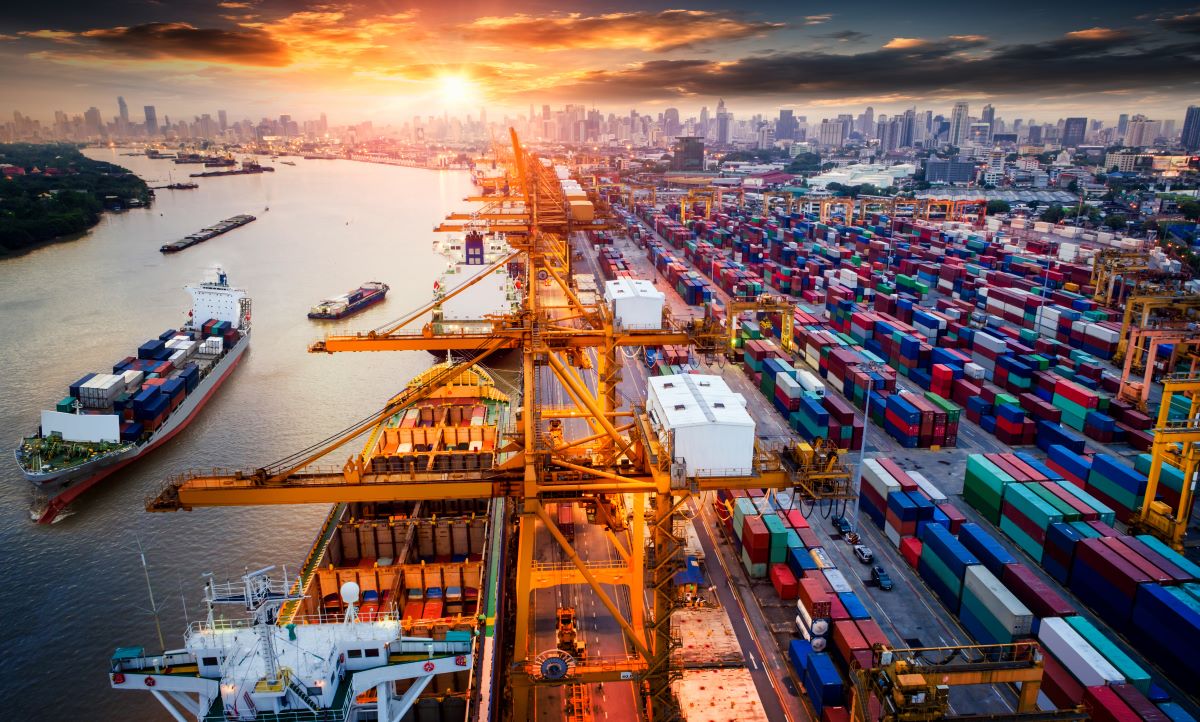
The logistics are also baked into the price. Japan’s "just-in-time" philosophy doesn't leave much room for error. When supply cuts hit, there’s no massive stockpile to fall back on. The warehouses are lean. The ships are delayed. Suddenly, you have a multi-billion dollar factory sitting idle because you’re missing a few tons of specialized metal.
The Energy Crisis Connection
You have to look at energy to understand why these cuts are happening now. Aluminum smelting is basically "frozen electricity." It takes an absurd amount of power to turn alumina into metal. Middle Eastern producers have historically had an edge because of cheap, abundant energy. But as the world reshuffles its energy priorities, even these giants are facing pressure.
Regional instability and shifting domestic energy needs in the Gulf have forced some producers to throttle back. It's a calculated move. If it’s more profitable to export natural gas or use electricity for other high-value industries, aluminum production takes a backseat. For Japan, this is a nightmare scenario. They’ve offshored their energy-intensive smelting to the Middle East, and now they’re paying the price for that dependency.
I’ve seen this play out before with rare earth metals and semiconductors. The pattern is always the same. A country dominates a niche, a geopolitical or economic hiccup happens, and the downstream manufacturers realize they have no Plan B. Japan’s auto giants are currently in the "realization" phase. It’s painful and expensive.
Lightweighting is a Double Edged Sword
The push for better fuel economy and longer EV range has made aluminum the darling of the industry. It’s roughly one-third the weight of steel. Replacing steel parts with aluminum helps a car lose hundreds of pounds. But this reliance creates a massive vulnerability.
Think about the sheer volume. A typical modern vehicle contains over 400 pounds of aluminum. When you multiply that by the millions of cars Japan exports annually, the scale of the shortage becomes clear. We aren't talking about a few missing parts. We’re talking about the structural integrity of the entire export economy.
Aluminum prices on the London Metal Exchange (LME) are volatile, but the physical "premium"—the extra cost to actually get the metal delivered to a Japanese port—is what’s really killing margins. Even when the base price looks stable, the cost of actually getting that Middle Eastern aluminum into a Japanese factory is skyrocketing.
The Myth of Easy Recycling
I hear a lot of talk about how Japan can just recycle its way out of this. It’s a nice sentiment. It’s also largely a fantasy for high-end automotive needs. While Japan is great at recycling, "secondary" aluminum often contains impurities that make it unsuitable for critical structural components.
You need "primary" aluminum—the stuff made from scratch—to ensure the safety and performance of a car frame. Most of that primary metal comes from overseas. While companies like Nissan are trying to close the loop with better recycling programs, they still need that steady influx of virgin material from the Middle East to keep the quality up. You can't bake a cake with 100% leftover crumbs; you still need fresh flour.
Geopolitical Shifts are Not Helping
The Middle East isn't the stable backyard it used to be for global trade. Shipping routes through the Red Sea and around the Cape of Good Hope are increasingly complicated. Every extra day a carrier spends at sea is an extra day the Japanese auto sector isn't building cars.
Japan has tried to diversify by looking toward Australia or India, but those regions have their own sets of problems—ranging from labor strikes to their own energy constraints. The Middle East remains the king of high-purity, large-scale production. Breaking that habit is proving to be nearly impossible for the likes of Mazda or Subaru, who don't have the massive cash reserves of Toyota to bully their way to the front of the line.
What This Means for the Consumer
You’re going to see this in the sticker price. Or, more likely, in the wait times. If a dealership tells you your new car is delayed by three months, don't just blame the "supply chain" in a general sense. Blame the fact that the aluminum for the engine block is currently stuck in a port or wasn't even cast because a smelter in Dubai had to cut output.
Costs are being passed down. Manufacturers can only absorb so much before they have to protect their bottom line. We’re already seeing Japanese car prices creep up in North America and Europe. This aluminum crunch is a significant driver of that trend. It’s a hidden tax on the global shift toward lighter, more efficient vehicles.
Stop Relying on Single Source Strategies
If you’re a procurement manager or an investor, the lesson here is simple. The era of cheap, reliable, single-source commodities is over. The "Japan auto sector hit" headlines are a warning shot.
Companies need to start investing in domestic secondary smelting capabilities that can actually reach automotive grade. They need to sign long-term, fixed-price contracts that include "priority delivery" clauses, even if it costs more upfront. Most importantly, they need to design parts that can be more flexible with the types of alloys they use.
Don't wait for the next shipping crisis to look for a backup supplier. Map out your Tier 2 and Tier 3 suppliers today. If they all point back to the same three smelters in the Gulf, you don't have a supply chain. You have a ticking time bomb. Start vetting alternative producers in Southeast Asia and North America now. It'll be more expensive today, but it’ll save your company when the next cut happens.