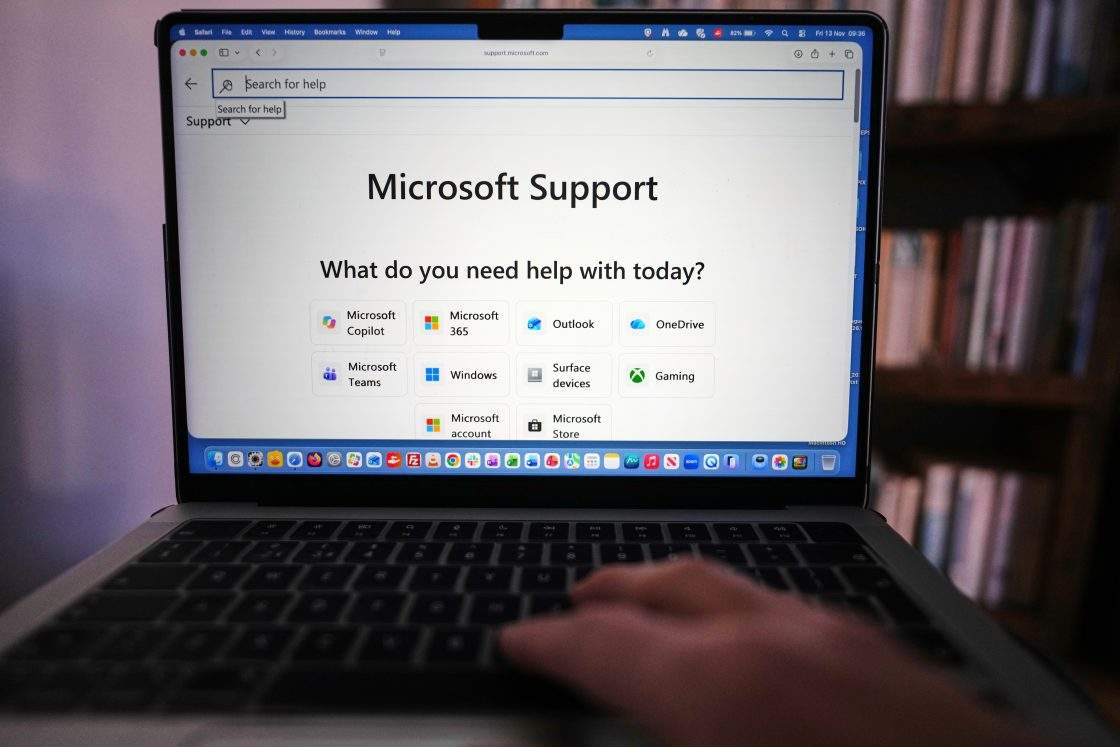
When Microsoft 365 goes down, nobody actually panics except the IT department.
The rest of us? We quietly celebrate. Within minutes of Outlook failing to load or Teams throwing a stubborn connection error, social media turns into a digital breakroom filled with memes, sarcastic status updates, and collective sighs of relief. The recent waves of Microsoft outages—and the resulting chorus of "no emails, no problem" jokes—expose a massive truth about modern office culture that executives hate to admit. Most corporate communication isn't urgent, and forced downtime feels less like a crisis and more like a surprise snow day for adults.
You've seen it happen. The spinning loading icon appears on Outlook. You refresh once, maybe twice, just to be thorough. Then you check Downdetector or scroll through X, formerly Twitter, and realize it's not just your Wi-Fi. Microsoft is down globally. Suddenly, the crushing weight of forty-seven unread messages evaporates. You didn't choose to ignore your boss; a multi-trillion-dollar tech giant literally locked the doors to the inbox.
The Anatomy of an Accidental Snow Day
There's a specific psychological shift that happens during a major Microsoft outage. In a normal workday, stepping away from your screen for twenty minutes triggers low-grade guilt. You worry about missing a Teams ping or letting an email sit unanswered too long. Outages remove the guilt entirely. Because everyone is locked out simultaneously, the social contract of instant availability breaks down in seconds.
I've watched entire departments go from stressed to giddy in under five minutes when Exchange Online hiccups. People actually talk to each other. In physical offices, folks stand up from their desks, walk over to a coworker's cubicle, and laugh about the absurdity of being completely immobilized because a cloud server in Virginia or Dublin stopped responding. Remote workers take to public social feeds, posting jokes about staring at a blank screen while technically still "on the clock."
It's a bizarre modern phenomenon. Decades ago, if a storm knocked out the power lines or a blizzard closed the highways, businesses simply paused. Today, our infrastructure is invisible, hosted in massive data centers managed by Microsoft Azure. When that invisible plumbing bursts, the effect is identical to a snowstorm, except the sun is shining outside and your laptop battery is at 100 percent.
Why Memes Flood Social Media Immediately
Humor is the fastest coping mechanism for workplace burnout. When employees joke that a Microsoft outage is their favorite productivity tool, they're pointing out an uncomfortable reality about how we spend our days.
Think about what actually stops during an Outlook or Teams crash. You can't attend a status meeting that should have been a two-sentence memo. You can't reply-all to a thread about scheduling a pre-meeting for next week's alignment call. You can't get dragged into a forty-minute Slack or Teams debate over button colors.
What can you do? Actual deep work, assuming your files are saved locally. Or, honestly, nothing at all—and that's the punchline. Workers joke about getting paid to refresh a browser tab because corporate culture rarely rewards finishing tasks early; it just rewards you with more tasks. An outage is one of the few moments where the conveyor belt stops moving and nobody can blame the person standing next to it.
How Much Do We Actually Rely on Microsoft 365?
To understand why these outages spark instant global comedy, look at the sheer scale of Microsoft's footprint in the enterprise world. Microsoft 365 isn't just a collection of apps anymore. It's the central nervous system of corporate life.
When Microsoft suffers a major service disruption—like the massive July 2024 CrowdStrike-related Windows crash, or the repeated Azure and Microsoft 365 authentication failures that have hit users across North America and Europe—the ripple effects are staggering. Hundreds of millions of commercial users rely on Exchange for email, Teams for chat and video, SharePoint for document storage, and Entra ID (formerly Azure Active Directory) just to log into third-party software.
That single sign-on dependency is the real kicker. Even if you don't use Word or Excel, your company probably uses Microsoft Entra to verify your identity for everything else. When Microsoft's authentication servers choke, you can't log into your CRM, your project management board, or even your HR portal. Everything freezes at once.
The Illusion of Constant Connectivity
We've built a work culture around the assumption of 99.99 percent uptime. Service Level Agreements (SLAs) promise near-perfection, and most of the time, cloud engineers deliver it.
That reliability has made us fragile. Years ago, people saved Word documents to their hard drives and kept local copies of critical spreadsheets. Today, autosave pushes everything straight to OneDrive or SharePoint. If the cloud hiccups, half the workforce doesn't even know where their files live locally, let alone how to work offline.
The jokes online reflect that helplessness. You aren't slacking off if the entire architecture of modern capitalism refuses to authenticate your password. You're just waiting for Seattle to reboot the servers.
What Executives Miss While Workers Laugh
While employees are trading memes about enjoying a quiet morning without Outlook notifications, corporate leadership usually experiences a very different emotion. Pure, unadulterated panic.
From a management perspective, a multi-hour Microsoft outage looks like a financial hemorrhage. If a company pays thousands of employees an hourly or salaried rate and none of them can access email, chat, or cloud documents for three hours, leadership views those hours as direct monetary loss.
Here's the disconnect. Management assumes that every minute spent inside Outlook and Teams translates directly into measurable economic output. Workers know better.
Studies on workplace productivity—including research from Microsoft's own Work Trend Index—have repeatedly shown that employees spend a massive chunk of their week just managing communication rather than creating value. Back-to-back meetings, endless email triage, and constant chat interruptions fracture attention spans. A UC Irvine study famously found that it takes an average of over 23 minutes to regain deep focus after a single interruption.
When Outlook dies for two hours, workers aren't celebrating the destruction of their company. They're celebrating a temporary truce in the war on their attention span. The jokes are funny because they're true. Nobody misses the inbox.
The Trap of "Digital Presenteeism"
Remote and hybrid work accidentally created a toxic habit called digital presenteeism. Because managers can't see you sitting at a desk, many workers feel pressured to keep their Teams status green and respond to emails within minutes just to prove they're working.
It's exhausting. Performing busyness takes almost as much energy as doing real work.
A Microsoft outage shatters digital presenteeism instantly. When Teams goes down, nobody's status dot is green. Nobody can track response times. For a brief window, the performative theater of the modern office shuts down completely. Even people who genuinely love their jobs feel a wave of relief when the expectation of instant responsiveness vanishes.
Real Consequences Behind the Memes
Of course, it's not all laughs and extra coffee breaks. Treating every Microsoft outage like a harmless comedy show ignores the sectors where downtime causes real, immediate pain.
Corporate marketers and software developers might enjoy a quiet afternoon without email, but hospitals, airlines, emergency dispatchers, and banks run on the exact same enterprise infrastructure. When a major outage hits Windows endpoints or Azure cloud services, flights get grounded, surgeries get delayed, and payment systems stall.
Even inside standard office jobs, an outage at the wrong moment creates chaos. Imagine trying to close a real estate deal, submit a time-sensitive legal filing, or run payroll while Exchange Online is throwing 503 errors. The memes stop being funny the second a hard external deadline collides with a dead server.
There's also the hangover effect. Emails don't disappear during an outage; they just queue up in cyberspace. The moment Microsoft engineers push a fix and traffic resumes, every delayed message, calendar invite, and automated alert slams into your inbox simultaneously. The two-hour vacation you enjoyed in the morning turns into a frantic cleanup operation by late afternoon.
How to Actually Use an Outage to Your Advantage
Next time Outlook refuses to connect and Teams displays that familiar retry banner, don't just sit there hitting F5 for ninety minutes. You've been handed a rare block of uninterrupted, zero-expectation time. Use it properly before the servers come back online and the floodgates open.
First, verify it's actually a widespread issue so you don't waste time troubleshooting your own router. Check the official Microsoft 365 Service Health status page (if you can reach it) or look at Downdetector. Once you confirm it's on Microsoft's end, stop refreshing. Watching a loading screen won't fix a broken BGP route or an expired certificate in Redmond.
Second, switch immediately to offline tasks you've been putting off. Write that long-form strategy memo in a local text editor. Outline your goals for next quarter on actual paper. Clean up the messy downloads folder on your desktop. Because nobody can ping you with "quick questions," you can knock out three hours of deep thinking in forty-five minutes.
Third, talk to your team like a human being. If you're in an office, grab a coffee with a coworker without talking about quarterly KPIs. If you're remote and have a backup communication channel like SMS or WhatsApp for genuine emergencies, send a quick message confirming everyone knows what's happening, then step away from your desk for a real break. Take a walk outside. Eat lunch without staring at a screen.
Finally, build a basic offline buffer into your normal workflow so future outages don't completely paralyze you. Keep local copies of the two or three documents you actively edit every day. Know which coworkers you can reach by phone if a genuine crisis hits while Teams is dead.
Microsoft will eventually fix the servers, the green status dots will flicker back to life, and your inbox will fill right back up with messages marked "urgent" that really aren't. Enjoy the quiet while it lasts.