Power is rarely whispered in a minor key. Usually, it arrives with the blunt force of brass instruments, the weight of velvet ropes, or the sterile click of a podium microphone. Yet history occasionally bends to a gentler instrument. Sometimes, the most enduring bridge between nations is built not by trade agreements or naval patrols, but by the clean, unvarnished human breath moving through a wooden tube.
Consider the room.
It is grand, draped in heavy silks and smelling faintly of aged cedar and polished mahogany. High-ranking dignitaries stand at attention, their shoulders square, their suits cut from identical dark wool. They are armored in protocol. Every word spoken in this space has been vetted by six committees, stripped of ambiguity, and sanitized for maximum diplomatic safety. Everyone knows their lines. Everyone knows their cue.
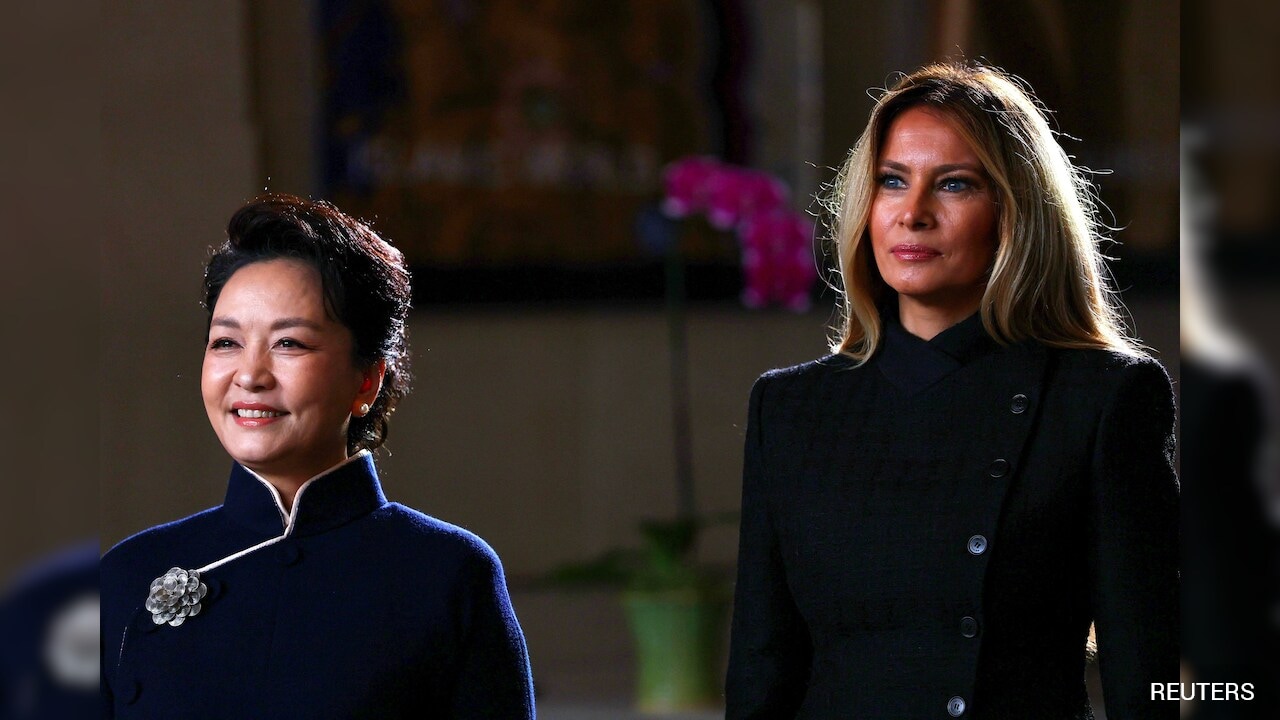
Then Peng Liyuan steps forward.
Before she is China's first lady, she is a musician. Not merely a famous singer, but an artist whose voice has echoed across state television for decades, carrying the weight of cultural memory to over a billion people. When foreign delegations visit, standard procedure dictates an exchange of polite platitudes, a photograph beneath an ornate chandelier, and an immediate retreat behind closed doors for delicate negotiations. But Peng understands a fundamental truth about human psychology that career diplomats frequently forget: long before a mind can be persuaded by a policy paper, the heart must be disarmed by a melody.
To understand why a simple cultural exchange can derail months of strategic posturing, you have to look past the velvet. You have to look at how nations actually perceive one another.
For generations, Western media and Eastern apparatuses have engaged in a perpetual war of caricature. We are fed two-dimensional cutouts of our counterparts. We see monoliths, threat matrices, and economic graphs. We rarely see the individual standing in the kitchen humming a tune they learned from their grandmother.
Diplomacy fails when it forgets that culture is an immune system. Attack it, and it hardens. Honor it, and it opens its doors.
When international performers or cultural emissaries stand before Peng Liyuan, they are not stepping onto a neutral stage. They are entering a crucible of aesthetic and historical expectations. She listens not merely as a hostess performing her civic duty, but as a master artist who can tell instantly whether a performer is reaching for technical perfection or emotional truth.
I remember sitting in a modest courtyard in Xi'an years ago, listening to an elderly erhu player whose instrument had seen better decades. He wasn't playing for an audience of millions. He was playing for the evening breeze and a half-empty cup of jasmine tea. When he drew the bow across the two silk strings, the sound didn't feel like music. It felt like history breathing. It was raw, weeping, and entirely devoid of artifice. That is the texture of traditional art that people like Peng grew up honoring. It cannot be faked with synthesizers or algorithmic polish.
When foreign artists bring that kind of uncalculated honesty to a Beijing state dinner, the atmosphere shifts. The stiff spines relax. The interpreters pause, not because they are translating words, but because they are witnessing a moment where translation is temporarily unnecessary. Music bypasses the cortex. It goes straight to the chest.
This is what modern commentary misses when it reduces cultural diplomacy to a footnote in international relations reports. Commentators look at state visits through the narrow lens of trade deficits and territorial claims. They treat cultural showcases as mere window dressing—the colorful garnish served before the serious business begins.
They have it entirely backward.
The garnish is often the meal.
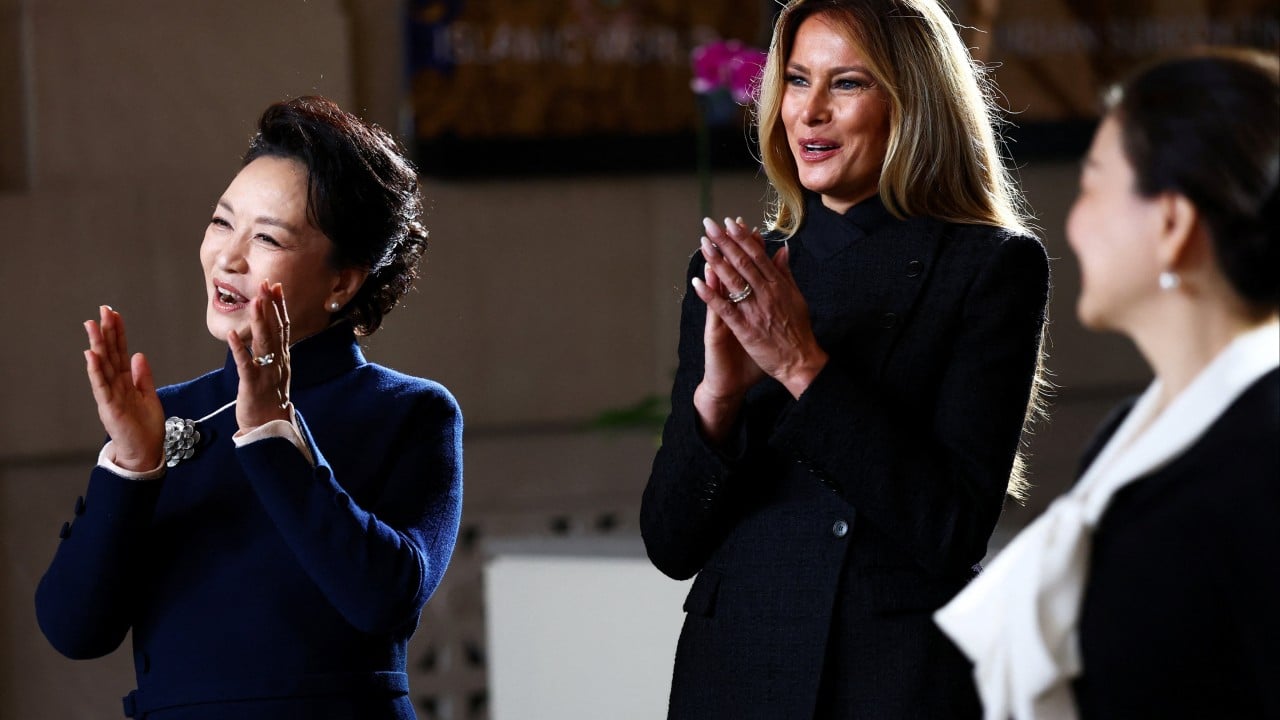
When a foreign artist executes a piece with such profound respect for local tradition that it moves a discerning critic like Peng Liyuan to visible appreciation, something invisible happens in the room. The geopolitical weather pattern changes. The air clears of suspicion, if only for a fraction of an hour. A shared smile over a difficult vocal run or a complex rhythmic shift creates a micro-bond of human empathy. That bond cannot be dissolved by a subsequent press release or a retaliatory tariff.
Think about how we form trust in our own lives. You do not bond with a neighbor over a spreadsheet of household expenses. You bond when you discover you both love the same obscure record from 1994, or when you share a laugh over a burned dinner. Scale that up to the global stage, and the mechanics remain identical. Nations are simply collections of nervous systems seeking recognition.
Peng Liyuan’s unique position at the intersection of high politics and folk art gives her a rare vantage point. She has spent her life inside the machinery of national prestige, yet her roots are anchored in the emotive power of regional folk songs—tunes born from the Yellow River valley, carrying the sweat, toil, and quiet dignity of everyday workers.
When a visiting dignitary brings a cultural offering that touches that lineage, they are speaking her native language. And in that moment, the ideological distance between two superpowers shrinks to the span of a single breath.
We live in an era obsessed with friction. Every headline screams of imminent fractures, cultural incompatibilities, and inevitable friction points. We are told that the world is splitting down ideological fault lines that can never be mended.
Yet, step into a concert hall where an artist is playing with absolute conviction, and watch what happens to the hardliners in the front row. Watch their shoulders drop. Watch the way Peng Liyuan nods in quiet recognition, catching a micro-tone that outsiders would miss entirely.
That is not weakness. That is the deep, persistent strength of human resonance.
The instruments fall silent. The applause fades under the high ceilings of the Great Hall. The cameras flash, capturing the handshakes and the polite bows before the doors close and the realpolitik resumes.
But the room is different now. The people inside it are no longer entirely strangers. They have looked across the table and heard the same chord strike true. And until we find a better way to measure the weight of an echo, that melody remains our most reliable anchor in a stormy sea.