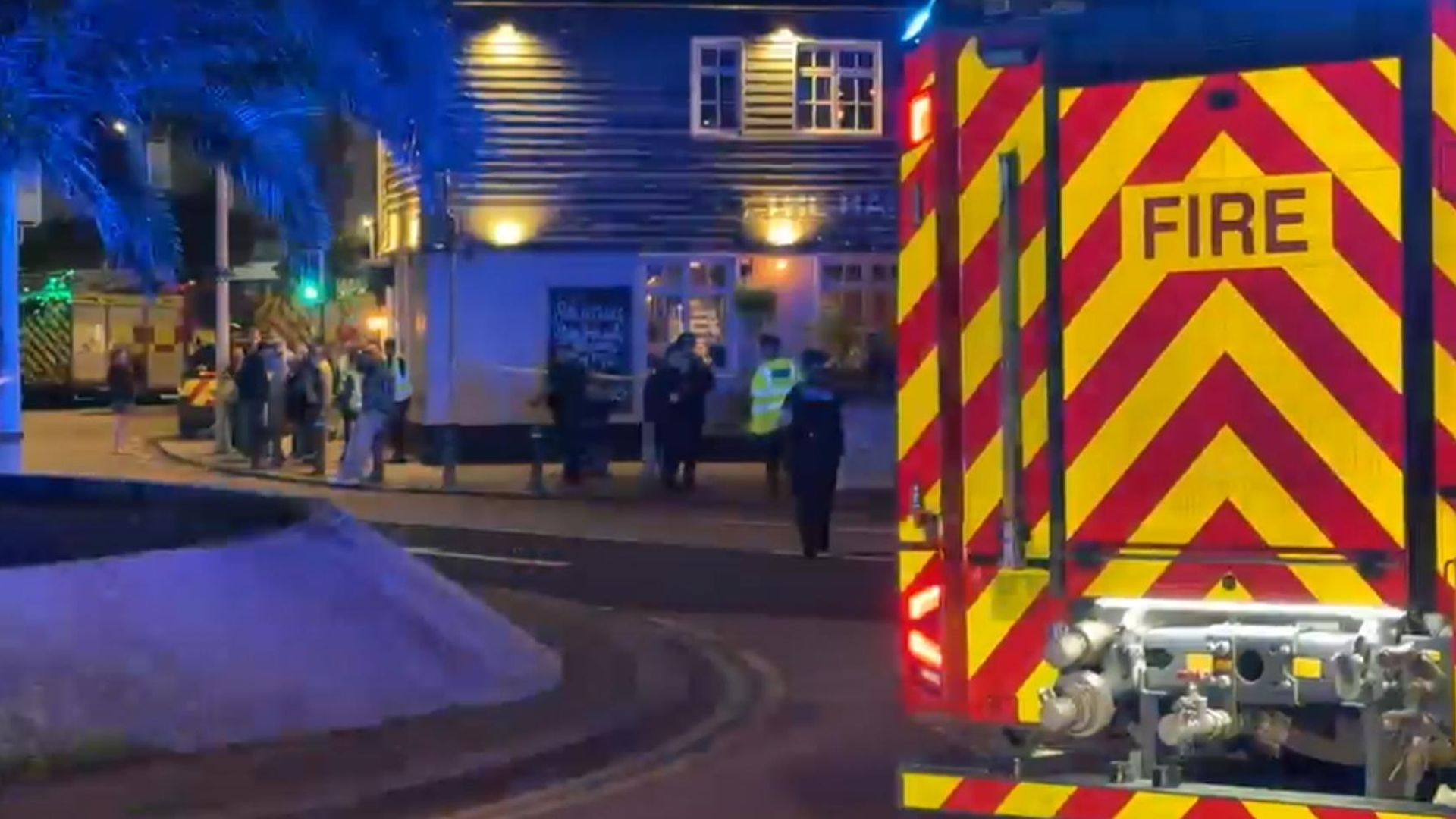
When a commercial property experiences an uncontained thermal event under anomalous conditions, standard emergency response protocols shift rapidly into forensic examination. The recent incident involving a seaside hotel fire treated as suspicious by investigating authorities provides a clear framework for analyzing how structural vulnerability, rapid combustion vectors, and evidentiary preservation intersect in hospitality infrastructure. Arson investigation is not merely a search for a culprit; it is a systematic deconstruction of physical evidence, chemical residues, and mechanical patterns to isolate human intervention from systemic failure.
The Triad of Thermal Analysis
To understand why a fire is classified as suspicious, investigators must evaluate three primary variables: ignition source, fuel load, and oxygen supply. In standard structural fires, these variables typically correlate with identifiable electrical faults, cooking equipment malfunctions, or heating system degradation. When these natural or mechanical failure points are absent, the analytical baseline changes.
The ignition sequence in a suspicious structure fire usually exhibits specific signatures. Investigators map the burn patterns using vector analysis, tracing the movement of heat and gases from the point of origin outward and upward. In coastal hotel environments, high ambient humidity and marine-grade construction materials—such as treated timber, fire-rated drywall, and non-combustible cladding—create natural retardants. When a fire overcomes these structural deterrents with abnormal velocity, it implies the introduction of an accelerant or a deliberate modification of the fuel load.
The deployment of accelerants leaves distinct chemical fingerprints. Hydrocarbon residues, paraffin traces, and altered structural deformation patterns provide the empirical data required for classification. Unlike accidental electrical fires, which display localized arcing and bead formation on copper wiring, suspicious fires often feature multiple independent points of origin. The presence of multiple origins destroys the hypothesis of a singular accidental failure, transforming the incident into a coordinated security failure.
Structural Vulnerability in Coastal Hospitality Assets
Seaside hotels present unique architectural and logistical challenges that influence both fire progression and forensic recovery. The physical layout typically prioritizes panoramic views, wide-span corridors, and open-air access points, such as balconies and lanais. While these design choices maximize guest experience, they simultaneously compromise passive fire compartmentalization.
Corridors act as natural wind tunnels due to differential pressure between the ocean front and the landward facade. When a fire breaches a guest room door, the maritime breeze accelerates the draft, feeding oxygen to the combustion zone and driving the flame front horizontally through escape routes. This wind-driven fire phenomenon alters standard thermal mapping, making the primary point of origin harder to isolate without meticulous debris removal and microscopic residue testing.
Furthermore, coastal properties experience high seasonal occupancy fluctuations, leading to varying states of maintenance for fire suppression systems. Sprinkler heads, smoke evacuation dampers, and emergency egress lighting require rigorous operational testing. When an investigation begins, auditing the maintenance logs of these safety systems forms a core component of the risk assessment matrix. A failure or intentional bypass of these systems before an ignition event elevates the classification of the incident from a routine hazard to a deliberate security breach.
The Evidentiary Chain and Investigative Bottlenecks
The transition from initial suppression to forensic reconstruction introduces significant operational friction. The primary constraint is site contamination. Water damage from suppression efforts, structural collapse, and the trampling of debris by emergency personnel degrade fragile physical evidence.
Investigators deploy gas chromatography-mass spectrometry in mobile laboratories to test porous materials like carpeting, baseboards, and subflooring for accelerant residues. However, the porous nature of seaside building materials—often subjected to salt air corrosion and moisture absorption—can complicate chemical extraction.
Another critical variable is the timeline of occupancy. In a hospitality setting, guest turnover introduces an unpredictable demographic variable. Access logs, electronic keycard records, and closed-circuit television footage must be cross-referenced against the estimated time of origin established by thermal mapping. Discrepancies between digital access data and physical displacement patterns are often the first indicators of premeditation.
Strategic Operational Forecast
For asset owners and risk management teams, an incident of this nature triggers an immediate reassessment of asset vulnerability models. The cost function of inadequate physical security extends far beyond property loss, encompassing liability exposure, brand erosion, and regulatory compliance penalties.
Future mitigation strategies must move beyond basic code compliance. Implementing integrated fire-warning telemetry that directly interfaces with off-site security monitoring can eliminate the latency between ignition and response. Furthermore, deploying tamper-evident seals on utility panels, chemical storage, and maintenance access points restricts the vector landscape available for unauthorized intervention. The containment of future risk relies entirely on reducing the asymmetry between open hospitality access and secured internal infrastructure.