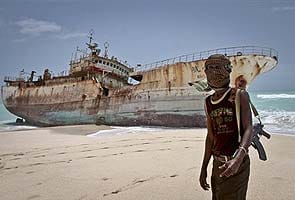
The hijacking of an oil tanker off the Yemeni coast and its forced diversion toward Somali waters represents a critical failure in the current maritime security architecture of the Gulf of Aden. This event is not an isolated criminal act but a calculated exploitation of the Security-Governance Gap—a geographical region where the jurisdictional reach of sovereign states is eclipsed by the operational mobility of non-state actors. The transition of the vessel from Yemeni territorial waters to the Somali coastline transforms a localized kinetic incident into a complex, multi-jurisdictional hostage and salvage operation that tests the limits of international naval task forces.
The Triad of Maritime Vulnerability
To understand why this vessel was compromised, we must look at the specific variables that dictate the risk profile of a tanker in these waters. Maritime security in the Bab el-Mandeb strait is governed by three primary pillars:
- Kinetic Proximity: The physical distance between the vessel’s transit path and uncontrolled coastal launch points.
- Structural Hardening: The presence of Armed Security Teams (ASTs) and physical barriers such as razor wire, water cannons, and citadel protocols.
- The Response Window: The time delta between the initial boarding attempt and the arrival of rapid-response naval assets from entities like CTF 151 or EU NAVFOR.
The hijacking confirms that the attackers successfully minimized the Response Window by operating in a "blind spot" where naval patrol density was insufficient to provide an intercept. By directing the vessel toward Somalia, the perpetrators are moving from a high-visibility, high-risk Yemeni theater—dominated by regional conflict and missile threats—to a low-governance zone in Somalia where the terrain and local clan dynamics provide a protective shield against military intervention.
The Mechanics of the Diversion
The decision to move a captured tanker toward the Somali coast is a strategic maneuver designed to maximize the captors' leverage. Once a vessel enters Somali territorial waters, the rules of engagement for international naval forces change fundamentally.
The first operational shift is the Transition to Hostage Logic. While the vessel is in open water, naval forces can employ aggressive boarding or disabling tactics. Once the vessel nears a hostile coastline, the risk to the crew and the environmental threat of a damaged oil tanker increase exponentially. The captors use the vessel’s cargo—thousands of tons of crude oil—as an environmental "dirty bomb" to deter any kinetic rescue attempts.
The second shift involves Jurisdictional Fragmentation. The Somali coastline is not a monolith. Different regions are controlled by various local administrations and clan militias. By moving the tanker into specific zones, hijackers can negotiate for protection from local power brokers in exchange for a percentage of the eventual ransom. This creates a layered defense system: the hijackers hold the bridge, while local militias provide the perimeter security against land-based or near-shore interference.
Quantifying the Economic Friction
The hijacking of an oil tanker introduces a significant "risk premium" into global energy markets. This is not merely about the value of the ship or its cargo, but the compounding costs associated with maritime insurance and operational rerouting.
- War Risk Surcharges: Insurance underwriters adjust premiums based on "Listed Areas" defined by the Joint War Committee (JWC). A successful hijacking triggers an immediate spike in these costs for every vessel planned to transit the region.
- The Guard Ratio Cost: For shipping companies, the decision to hire private maritime security is a direct trade-off between operational expenditure (OPEX) and risk mitigation. A hijacking indicates that the current "standard" level of protection may be inadequate, forcing companies to increase the number of guards or the caliber of their equipment, further bloating the cost of every barrel of oil moved through the Suez Canal.
- Fuel and Time Penalties: If the risk is deemed too high, the alternative is the Cape of Good Hope route. This adds approximately 10 to 14 days to a voyage from the Persian Gulf to Europe, increasing fuel consumption and disrupting the "Just-in-Time" delivery schedules of global refineries.
The hijackers do not need to capture every ship to win. They only need to capture enough to keep the risk premium high, which effectively taxes the global economy and funds their continued operations.
The Failure of Current Deterrence Frameworks
The persistence of these attacks suggests that the Combined Maritime Forces (CMF) model is reaching a point of diminishing returns. The current strategy relies on "presence-based deterrence"—the idea that having warships in the area will discourage attacks. However, this hijacking highlights the limitations of this approach.
The first limitation is Asset Dilution. As global tensions rise in the Red Sea due to regional conflicts, naval assets are being redirected to protect against missile and drone threats. This leaves a vacuum in the traditional counter-piracy mission. Attackers are observant; they monitor naval movements and strike when the local density of warships is at its lowest.
The second limitation is the Asymmetry of Cost. It costs a naval task force millions of dollars per day to maintain a destroyer or frigate in the Gulf of Aden. In contrast, a hijacking team can launch an operation with a few thousand dollars' worth of skiffs, fuel, and small arms. This economic imbalance means that the defenders can be "out-waited" and "out-spent."
Navigating the Somali Coastal Sanctuary
The destination of the tanker—Somalia—is the most critical variable in the coming weeks. Somalia’s maritime territory has historically served as a sanctuary because it lacks a centralized coast guard with the capability to project power across its entire shoreline.
When a vessel is anchored off the Somali coast, the hijacker’s primary goal is to establish a "Ransom Infrastructure." This involves:
- Establishing a supply chain for food, water, and fuel for the captors and the crew.
- Initiating a "proof of life" protocol to begin negotiations with the shipowners and insurers.
- Deploying sea-mines or small-boat pickets to prevent special forces from approaching the vessel.
The complexity of the Somali political landscape means that any attempt to resolve the situation must involve local intelligence. The relationship between the hijackers and the local community is often transactional. If the local community perceives the presence of the ship as a liability—due to potential military strikes or environmental risks—they may withdraw their protection. Conversely, if the ransom is expected to be high, the community may provide the necessary logistical support to sustain a long-term standoff.
Structural Interventions and Tactical Adjustments
Addressing this resurgence in maritime instability requires a shift from reactive patrolling to structural intervention. The current incident demonstrates that "Best Management Practices" (BMP5) for the shipping industry may need to be updated to account for a more sophisticated threat actor who can operate further from the coast than previously anticipated.
- Automated Detection Grids: Integrating satellite-based AIS (Automatic Identification System) monitoring with coastal radar and long-endurance UAVs (Unmanned Aerial Vehicles) can create a persistent surveillance blanket. The goal is to identify "anomalous behavior"—such as skiffs approaching a tanker—well before the boarding attempt begins.
- Enhanced Citadel Integration: Many hijackings are successful because the crew cannot maintain control of the vessel's propulsion once the bridge is breached. Future tanker designs must prioritize remote disabling of the engine and steering systems from a secure, hardened "citadel" that cannot be breached by small arms or portable explosives.
- Legal Harmonization: One of the greatest hurdles in maritime security is the "catch and release" problem. When pirates are captured, there is often no clear jurisdiction to prosecute them, leading to their eventual release. Strengthening the legal frameworks within regional states to handle maritime crimes is essential to creating a real deterrent.
Strategic Forecast for the Aden-Somalia Corridor
The trajectory of this hijacking will dictate the security posture of the region for the next fiscal year. If the vessel is recovered through a swift kinetic operation, it will signal to other potential hijackers that the "Somali Sanctuary" is no longer a viable end-state. However, if the vessel remains anchored for months during a protracted ransom negotiation, it will likely trigger a "clustering" effect, where other criminal groups are emboldened to attempt similar operations.
The industry must prepare for a period of Heightened Asymmetric Risk. This means that shipping companies should no longer view the Gulf of Aden as a routine transit point but as a high-threat corridor requiring active defense. The focus should shift from "avoidance" to "active resistance," utilizing technology to extend the defensive perimeter of the vessel long before an intruder reaches the rail.
The ultimate resolution of this specific hijacking depends on whether the international community prioritizes the safety of the crew and the environment over the long-term goal of denying ransom payments. Any payment made will inevitably be reinvested into better equipment and more aggressive tactics by the hijacker networks, perpetuating a cycle of maritime instability that has remained dormant but never truly disappeared. The immediate strategic requirement is for naval task forces to re-evaluate their patrol patterns to cover the transition zones between Yemeni and Somali waters, closing the gap that this hijacking so effectively exploited.