Water does not care about borders. Stand on the rocky northern shore of New York or peer across the misty expanse from a pier in Toronto, and you are looking at a shared, ancient giant. Lake Ontario is a vast inland sea, a body of water that breathes fog over vineyards, carves limestone cliffs, and sustains millions of lives on both sides of an invisible line drawn by diplomats centuries ago.
History moves in strange cycles. Today, that vast liquid highway finds itself pulled into a high-stakes arena of economic friction. When political rhetoric turns toward renaming monumental geographic features, the ripple effect extends far beyond a cartographer's desk. It touches the small-town customs officers, the shipping captains navigating the St. Lawrence Seaway, and the families who measure their summers by the temperature of the water.
Consider Thomas, a fictional independent shipping coordinator whose tugboat navigates the heavy commercial traffic between Lake Erie and Lake Ontario. For thirty years, Thomas has lived by a specific rhythm. He relies on standardized charts, predictable port fees, and stable trade frameworks that have governed the Great Lakes basin for generations. When trade wars escalate, his world does not change in grand explosions. It changes in incremental, grinding friction. A tariff here. A delayed cargo manifest there.
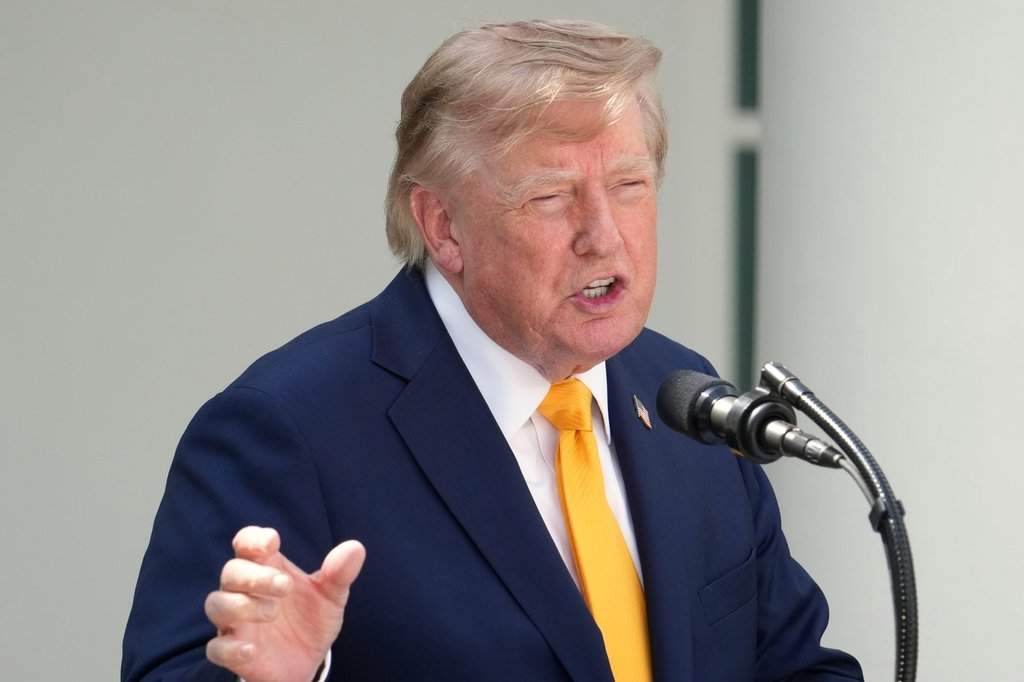
Now, imagine the psychological weight added when leadership floats proposals like renaming the lake itself to Lake America. It sounds like theater. But to those whose livelihoods depend on seamless cross-border cooperation, it signals a deeper fracturing.
Borders here have always been porous in the best possible way. Fishermen drift across unseen coordinates. Cargo moves seamlessly from Ontario to New York, feeding supply chains that power entire industrial sectors. To suggest a renaming during a trade dispute is to weaponize geography. It turns a shared ecosystem into a rhetorical battleground.
We forget that names matter because they anchor our sense of place. Lake Ontario derives its name from the Wyandot word ontaríio, meaning "great lake" or, poetically, "sparkling water." That name carries the memory of the original stewards of this land, a linguistic bridge connecting the past to the present. Erasing or overriding that name for political leverage feels less like policy and more like an attempt to rewrite the very narrative of the continent.
Trade wars are fought with numbers, percentages, and executive orders. Yet they are felt in human chest cavities. They are felt when a manufacturer in Rochester worries about retaliatory tariffs on steel components, or when a winery in the Niagara Peninsula wonders if its bottles will face new administrative hurdles at the bridge.
When politicians lean into grandiose symbolic gestures—like painting a massive body of water with a nationalist brush—they reveal the core vulnerability of modern diplomacy. Economics has become spectacle. Every policy dispute must now come with a dramatic flair, a headline-grabbing proposal designed to dominate the evening news cycle.
But water cannot be easily rebranded. The waves still crash against the bluffs of Prince Edward County with the same indifferent force. The trout still swim through international channels without passports. Nature remains stubbornly indifferent to the shifting whims of political ambition.
Listen closely to the wind coming off the water at dusk. It carries the sound of distant foghorns and the quiet hum of container ships. These are the sounds of commerce and cooperation, not division. They remind us that for all our attempts to divide the map with lines and new labels, the physical reality of our world requires us to share space.
As trade tensions continue to simmer and political rhetoric grows sharper, the real test is not what we call the water, but how we treat the people who live along its shores. Names can be changed by executive whim or stroke of a pen. Trust, once eroded by economic friction, takes much longer to rebuild.
The map remains complex. The water remains deep. And the true cost of these disputes is measured not in geopolitical wins or losses, but in the quiet, steady erosion of neighborly trust across a shared horizon.