The sea at Devon does not care about borders. It crashes against the jagged limestone cliffs with a blind, gray fury, sending up plumes of salt that coat the razor wire of Her Majesty's Naval Base Devonport. To stand on that shoreline is to feel very small. To stand there in the dead of winter, drenched and desperate, is something else entirely.
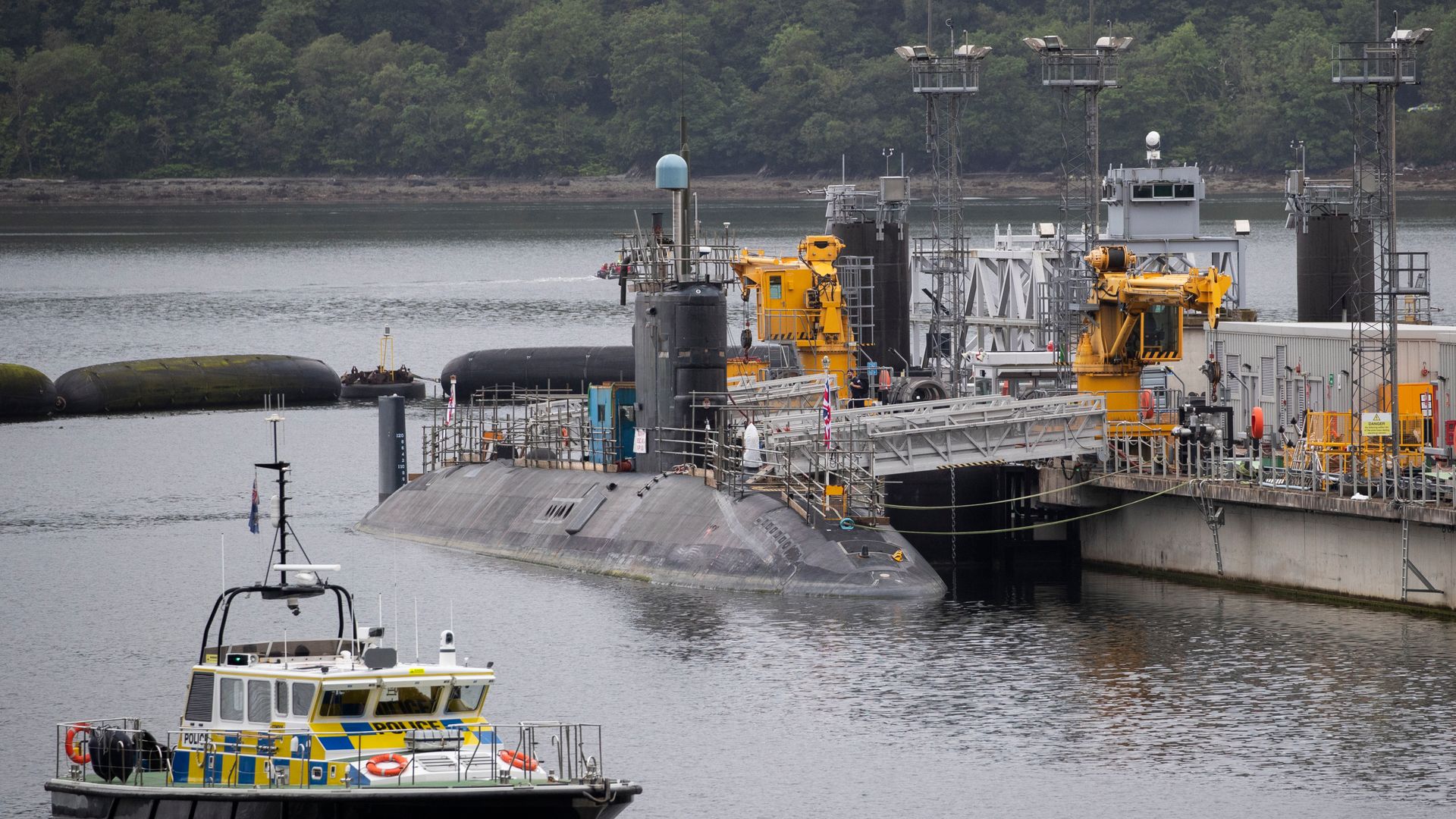
Picture the scene. A thirty-six-year-old Iranian man—cold, exhausted, salt-crusted, and entirely out of options—finds himself standing at the perimeter of one of Western Europe’s most sensitive military installations. This is not a casual stroll. Devonport is a behemoth. It is the largest naval base in Western Europe, a sprawling concrete and steel ecosystem where nuclear-powered submarines are refueled, maintained, and armed. It is a place guarded by heavily armed personnel, biometric scanners, thermal cameras, and a paranoia born of centuries of maritime warfare.
When the man was detained, the initial reports hummed through the newsrooms like a live wire. Security breach. Potential espionage. A foreign national at the threshold of atomic secrets. The headlines wrote themselves, dripping with the heavy ink of international intrigue and midnight terror.
Except that is not what happened.
The reality was far quieter, far more fragile, and infinitely more human.
Years ago, I stood on a similar dock in a strange country, carrying nothing but a plastic bag of damp clothes and a passport that had become worthless paper. I remember the paralyzing weight of invisibility. When you are running from a life that has turned to ash behind you, your sense of geography warps. You do not see military zones or strategic assets. You see a wall. You see a light. You see a place that is not actively trying to kill you.
The man did not carry blueprints. He did not carry a clandestine radio transmitter, nor encrypted flash drives, nor a weapon. What he carried was the hollow-eyed exhaustion of someone who had traveled thousands of miles across shattered borders, through the shadows of the smuggling networks, driven by a desperate, irrational instinct simply to survive. In his mind, he was not infiltrating a nuclear stronghold. He was just looking for a way in. He was looking for someone to see him.
The Crown Prosecution Service looked at the evidence. They looked at the man's history, his psychological state, and the sheer absence of malice or intent to commit sabotage. And then, in a quiet administrative reckoning that rarely makes the front page, they made a decision.
No action.
Prosecutors announced that the Iranian national would face no criminal charges. The legal machinery ground to a halt not because the law was weak, but because the law requires intent, and there was no hostile intent to be found. Only a ghost wandering into a fortress by tragic mistake.
We live in an era that desperately wants every headline to be a movie trailer. We crave villains because villains are easy to understand. If the man at Devonport had been an agent of chaos, we would have known how to file him away in our collective anxieties. We would have slotted him neatly into the geopolitical chessboard, assigning blame and demanding retaliation.
Instead, the system confronted a much more difficult truth: the chaotic, bleeding edge where global geopolitics collides with individual human misery.
Consider the architecture of our modern borders. They are designed to keep out armies, yet they are constantly besieged by individuals. We build billion-dollar fortresses to protect state secrets, while millions of people flee states that have entirely collapsed around them. When those two realities crash into each other, the results are messy, awkward, and occasionally deeply poignant.
The naval base held its breath for a moment. The Ministry of Defence reviewed its perimeter cameras, undoubtedly pointing out blind spots, adjusting patrol routes, and tightening the invisible tripwires of national security. That is their job. That is what a sovereign nation must do to protect its infrastructure.
But behind the official statements and the quiet sighs of relief in government offices lies a lingering question that no prosecutor can answer with a statute. What do we do with the people who have nothing left to lose, and no map left to follow?
The man stepped out of custody into a different kind of uncertainty. Not a prison cell, but the labyrinthine, bureaucratic purgatory of the immigration system. No longer a headline. No longer a national security threat. Just another nameless face in the endless statistical tide of human displacement.
The gray waters of Devonport still crash against the base. The nuclear submarines still slide silently beneath the surface, carrying payloads of incomprehensible power. The razor wire remains sharp, glistening in the perpetual mist of the English coast.
And somewhere out there in the rain, a man walks free, carrying the weight of a quiet journey that the world will never fully understand.