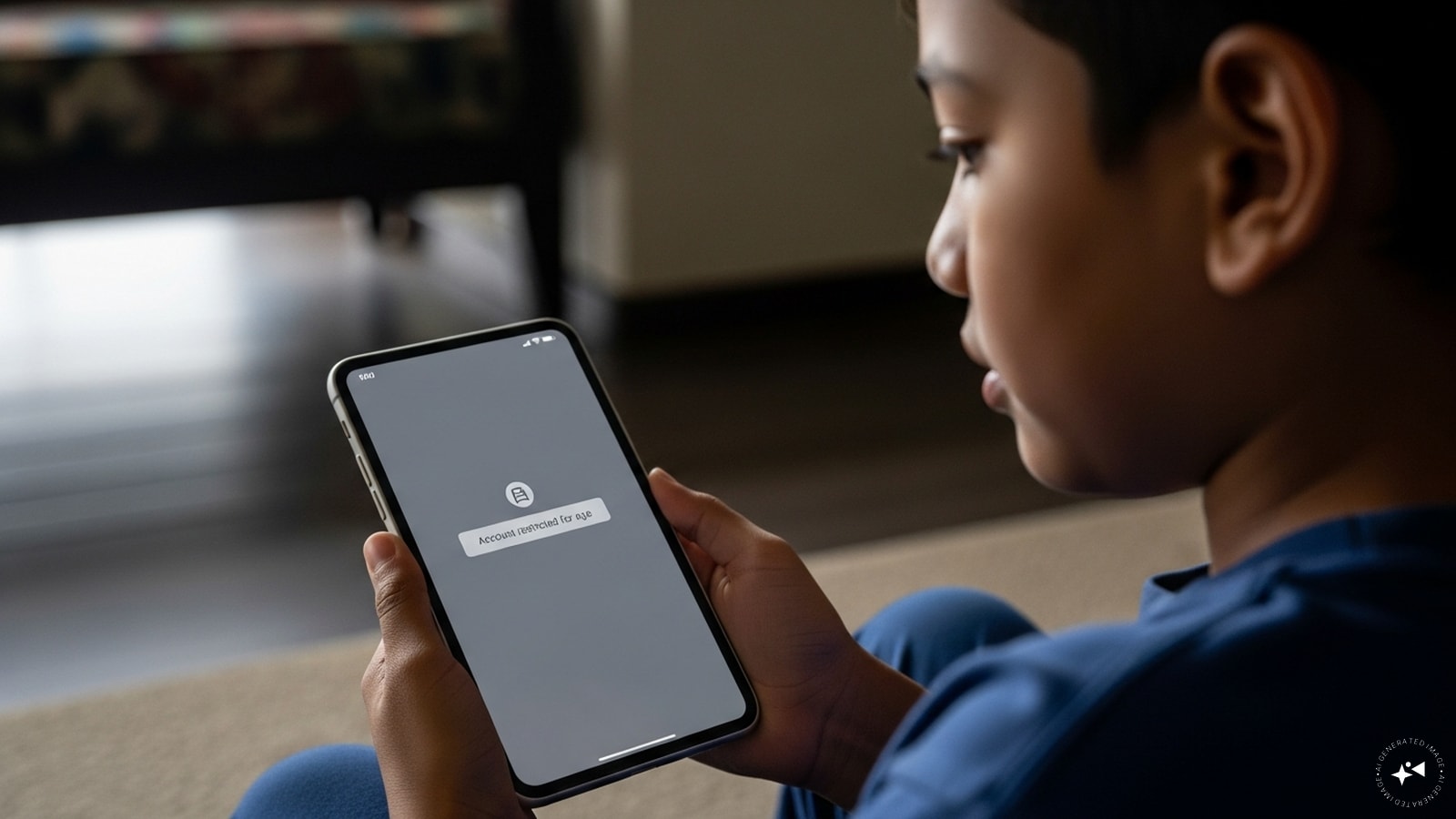
The days of children effortlessly bypassing a simple "Are you 18?" pop-up window are over in Malaysia. Starting today, June 1, 2026, the Malaysian government is drawing a hard line in the digital sand. Anyone under the age of 16 is officially barred from opening or owning a social media account.
This is not a vague, toothless guideline. The Malaysian Communications and Multimedia Commission (MCMC) is backing this policy with massive financial penalties and a mandatory identity check system. If you want to use Facebook, Instagram, TikTok, or YouTube in Malaysia, you will soon have to prove you are actually old enough to be there.
If you are a parent trying to navigate this new landscape, or an online business wondering how this affects your reach, you need the actual facts. Let's look at exactly how this ban works, who it targets, and what it means for your daily internet use.
The Cold Hard Mechanics of the Under 16 Ban
The legal backbone of this historic shift comes from two new regulatory frameworks introduced under the Online Safety Act 2025: the Child Protection Code (CPC) and the Risk Mitigation Code (RMC). Together, they shift the burden of proof entirely onto the big tech companies.
The policy applies to any digital service provider boasting at least 8 million users within Malaysia. This means the rules immediately apply to the heavy hitters:
- YouTube
- TikTok
- X (formerly Twitter)
- Threads
- Bigo Live
- Roblox
Instead of letting kids self-declare their birth year, platforms must now integrate strict age verification systems. To open an account, users will have to upload official government identification. Think MyKad, passports, or linking through the MyDigital ID ecosystem.
This requirement is not just for new users. If you already have an account, don't assume you are safe. Tech platforms are required to audit existing profiles. If a user fails to complete the verification process, they face immediate account restrictions or outright deactivation.
Big tech has a massive financial incentive to comply. Tech companies that fail to implement these age checks or look the other way face crushing fines of up to 10 million ringgit ($2.5 million USD).
What Parents Need to Know Right Now
Let's address the biggest anxiety for parents straight away: you are not going to jail if your 14-year-old sneaks onto TikTok.
The MCMC has explicitly clarified that parents will not face legal penalties or fines if their children manage to bypass the system. The legal and financial responsibility sits squarely on the shoulders of the tech companies.
However, your role at home is going to change significantly. Under the Child Protection Code, platforms must provide easy-to-use parental control tools. If your child is between 16 and 18, or if you choose to let them use highly managed, age-appropriate digital platforms, you will have access to much better supervision mechanics. TikTok's Family Pairing tool is a prime example of this, allowing parents to link accounts, set rigid screen-time limits, filter out specific content tags, and lock down direct messaging.
Furthermore, the new laws require platforms to turn on the highest privacy settings by default for anyone recognized as a minor. Direct communication between unverified adult users and children will be blocked automatically. Algorithms are also being forced to change; search and recommendation systems are legally barred from pushing high-risk material to teens.
The Major Gaps Big Tech and Experts Are Worrying About
While the law sounds definitive on paper, executing it in the real world is a logistical nightmare. Independent experts and digital privacy groups are already pointing out massive vulnerabilities in Malaysia's approach.
First, there is the glaring issue of identity sharing. Since parents face no legal penalties, what stops a tech-weary parent from simply using their own MyKad to sign up for an account and handing the phone directly to their 12-year-old child? Dr. Benjamin Loh, a social science lecturer at Monash University Malaysia, points out that this lack of parental liability creates a massive loophole. Without a way for platforms to constantly verify who is physically holding the device through continuous biometric checks, casual account sharing will likely skyrocket.
Then comes the battle over data privacy. Forcing millions of citizens to upload passports and national IDs to commercial platforms creates a treasure trove for hackers. Human rights monitors like Article 19 have heavily criticized the blanket ban, warning that forcing teenagers and adults to upload biometric data and government documents creates a permanent digital footprint, making users highly vulnerable to data leaks and identity theft.
There is also the "cliff-edge" argument. By completely isolating kids from social spaces until the clock strikes midnight on their 16th birthday, we miss the opportunity to teach them digital literacy. Critics argue that instead of learning how to manage online risks in a controlled environment, 16-year-olds will suddenly be dumped into high-risk digital environments without any real-world preparation.
How This Impacts Online Advertisers and Businesses
If you run an online business or rely on social media marketing in Malaysia, your strategy needs an immediate overhaul. The Risk Mitigation Code has quietly snuck in a rule that will completely disrupt the local digital marketing space.
From today onward, paid online advertisements for goods or services can only be published by advertisers whose identities have been verified through official government documents. The goal here is noble: the government wants to wipe out the rampant financial fraud, e-commerce scams, and fake investment schemes plaguing Malaysian feeds.
But for legitimate small businesses, this means you must prepare for a temporary bureaucratic bottleneck. If you haven't verified your business manager accounts with corporate documentation or valid IDs, your ad campaigns could grind to a halt during the MCMC's implementation grace period.
Furthermore, your target audience metrics are shrinking. If your business relies on marketing to the under-16 demographic—such as trendy fashion accessories, school gear, or mobile gaming items—you can no longer target them directly via mainstream social channels. You will need to shift your marketing focus toward parents or explore alternative, non-social digital channels.
Your Immediate Next Steps
We are entering uncharted territory. Malaysia is joining nations like Australia and Indonesia in an aggressive global experiment to reclaim childhood from addictive algorithms. Whether you love the security boost or hate the privacy intrusion, the law is here.
To stay ahead of these changes, take these practical steps immediately:
- For Individuals: Expect to see identity verification prompts on your favorite apps over the coming weeks. Do not ignore them. Ensure your MyDigital ID is set up and active, as this will likely be the fastest, most secure route to clear the age verification hurdles without handing raw copies of your ID cards to private corporate databases.
- For Parents: Sit down with your children today. Explain why their accounts might suddenly face restrictions or login blocks. Use this transition period to explore safer digital alternatives, and familiarize yourself with the newly upgraded parental control dashboards rolling out across Facebook and YouTube.
- For Business Owners: Open your Meta Business Suite, Google Ads, and TikTok Ads accounts right now. Check your verification status. Upload your corporate registration documents and personal IDs immediately to prevent your active marketing campaigns from being paused as platforms scramble to meet the RM10 million non-compliance penalty threshold.