Prime Minister Anwar Ibrahim has made it clear that Malaysia will not commit military assets to the escalating conflicts in the Middle East. This stance is not merely a matter of geographical distance or a lack of hardware. It is a calculated survival strategy designed to protect a recovering domestic economy and maintain a delicate social balance. While some observers expected a more aggressive posture given Malaysia's vocal diplomatic support for Palestinian causes, the reality of modern statecraft in Southeast Asia demands a separation between rhetorical solidarity and kinetic involvement.
Malaysia simply cannot afford a war. The decision to stay out of the cockpit is rooted in the pragmatic realization that any direct military engagement would trigger a chain reaction of investor flight and currency devaluation that the ringgit is currently too fragile to withstand.
The Economic Iron Shield
The primary driver behind this military restraint is the national ledger. Malaysia currently functions as a critical hub in the global semiconductor supply chain, accounting for roughly 13% of global chip testing and packaging. Any shift toward a more militant foreign policy would immediately spook the multinational corporations that anchor the economy in Penang and Kulim. These firms value one thing above all else. Predictability.
If Kuala Lumpur were to move beyond diplomatic condemnation and toward military logistics or troop deployment, the risk premium on Malaysian sovereign debt would spike. We have seen this play out in emerging markets across the globe. When a middle power shifts its focus from trade to regional warfare, the cost of borrowing rises, and foreign direct investment dries up. Anwar is acutely aware that his mandate rests on his ability to lower the cost of living and stabilize the national debt.
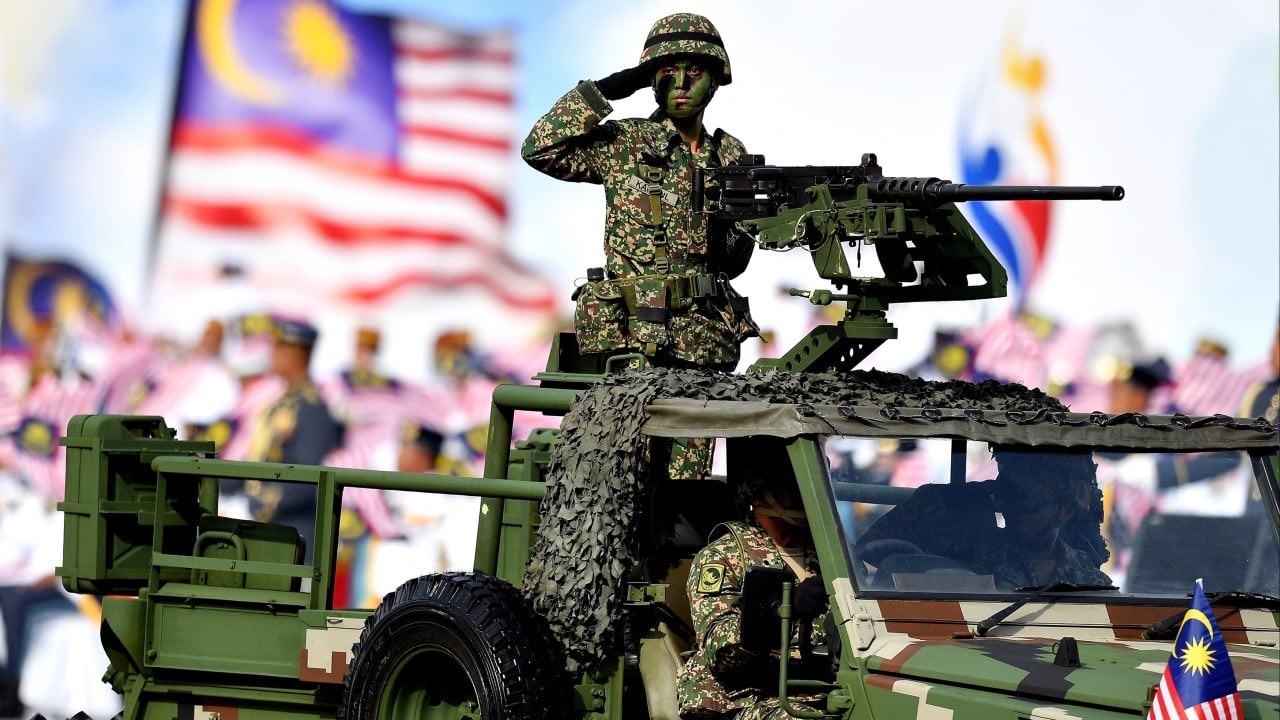
Furthermore, the logistical cost of a Middle Eastern deployment would be astronomical for a military designed primarily for maritime border protection and counter-insurgency. The Royal Malaysian Air Force and Navy are currently undergoing a long-overdue modernization phase. Diverting resources to a conflict thousands of miles away would leave Malaysian waters in the South China Sea vulnerable at a time when regional tensions there are already simmering.
Navigating the Diplomatic Tightrope
Malaysia occupies a unique position in the Muslim world. It has long styled itself as a moderate, progressive Islamic nation that can bridge the gap between the West and the Global South. By refusing military intervention, Anwar preserves this "middle path" status. He can continue to use the bully pulpit of the United Nations and the OIC to demand a ceasefire and humanitarian aid without becoming a legitimate target for counter-attacks or international sanctions.
There is also the matter of the United States. Despite the friction over Middle Eastern policy, the U.S. remains one of Malaysia’s largest trading partners and a key source of high-tech investment. A military intervention would force a confrontation with Washington that Kuala Lumpur is desperate to avoid. The goal is to maximize diplomatic pressure while minimizing operational risk. It is a cynical game of chess, but in the halls of Putrajaya, it is considered the only logical move.
Internal Pressure and the Green Wave
Domestically, the government faces a relentless challenge from conservative opposition forces. This "Green Wave" of political Islamism frequently uses the plight of Palestinians to question the government's religious credentials. Anwar’s strategy is to match the opposition’s rhetoric in speech while remaining strictly Westphalian in action.
The Risk of Radicalization
The government knows that military involvement often acts as a catalyst for domestic radicalization. By keeping the military at home, the state maintains tighter control over the narrative and the security apparatus. History shows that when Southeast Asian nations get involved in Middle Eastern conflicts, they often import the sectarian grievances associated with those wars. Malaysia has spent decades building a multicultural framework that, while imperfect, provides the stability necessary for growth. Introducing a military element to its Middle East policy would threaten to set that framework on fire.
Resource Allocation Priorities
- Modernizing the Navy: The current priority is the Littoral Combat Ship (LCS) program, which has been plagued by delays and must be salvaged to protect territorial waters.
- Energy Security: Malaysia is a net exporter of oil and gas, but global price volatility caused by war affects domestic subsidies.
- Infrastructure: The government is currently funneling billions into the Johor-Singapore Special Economic Zone and the East Coast Rail Link.
The hardware isn't there, and even if it were, the fuel to move it is better spent powering the factories in the Klang Valley.
The Reality of Middle Power Limitations
There is a hard truth that many analysts ignore. Malaysia does not possess the power projection capabilities to influence the outcome of a Middle Eastern war. Sending a token force would be a symbolic gesture with potentially catastrophic consequences. It would invite retaliatory cyber-attacks on Malaysian infrastructure—banking, power grids, and government databases—that the country is not yet fully equipped to repel.
Instead, Malaysia is leaning into its role as a humanitarian coordinator. This allows the country to fulfill its perceived moral obligations without crossing the red line of combat. It is a policy of "active neutrality." You speak loudly, you send doctors and supplies, but you keep your fighter jets on the tarmac.
The focus remains on the home front. If the ringgit continues to struggle against the dollar, no amount of foreign policy "toughness" will save the current administration from the wrath of the Malaysian voter. Anwar is betting that the public will ultimately prioritize a stable bank account over a military adventure.
Ensure your portfolio is diversified against the currency fluctuations that these geopolitical shifts inevitably trigger.