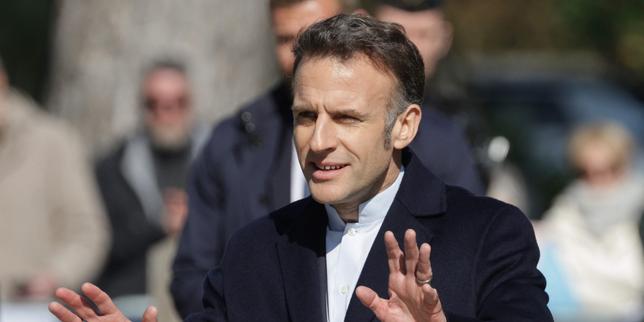
Emmanuel Macron isn't mincing words anymore. In a high-stakes phone call that shifted the diplomatic temperature in Paris, the French President told Iranian President Masoud Pezeshkian that it’s "inadmissible" for France to be targeted by Tehran’s regional maneuvers. This wasn't just another routine diplomatic exchange. It was a blunt pushback against a pattern of escalation that's pushing the Middle East toward a point of no return.
The timing matters. France has spent decades trying to play the role of the "honest broker" in Lebanon and the wider region. But as Iranian-backed proxies ramp up pressure and French interests find themselves in the crosshairs, the Elysee Palace is signaling that the era of polite warnings is over. You can’t claim to want stability while fueling the very groups tearing the region apart. That’s the core of the French grievance right now. Don't forget to check out our previous article on this related article.
The breaking point for French diplomacy
For months, Paris tried to balance its condemnation of Hamas with a plea for Israeli restraint. It’s a tightrope walk. But the latest intelligence and regional shifts suggest that Iran’s influence is no longer just a "regional factor"—it’s a direct threat to French citizens and diplomatic assets. When Macron uses a word like "inadmissible," he’s not just talking to Pezeshkian. He’s talking to the Hardliners in Tehran who think Europe is too divided to act.
France has specific skin in the game. Think about the French UNIFIL peacekeepers in Southern Lebanon. Think about the deep cultural and economic ties between Paris and Beirut. When Iran-backed Hezbollah trades fire with Israel, French lives are literally on the line. Macron is tired of the double game. He’s demanding that Iran use its leverage to "de-escalate" rather than "incite." It's a tall order given Tehran's current trajectory. To read more about the background of this, NBC News offers an in-depth breakdown.
Why Lebanon is the real battlefield for Paris
Lebanon is often called France’s "younger sibling" in the Middle East. If Lebanon collapses into a full-scale war between Israel and Hezbollah, France loses its primary foothold in the Levant. Macron knows this. He’s been trying to fix Lebanese politics since the 2020 Beirut port explosion, mostly with frustrating results.
Iran holds the keys to Hezbollah’s armory. By telling Pezeshkian that targeting French interests or stability is a red line, Macron is trying to shield Lebanon from becoming a total scorched-earth zone. It’s a desperate play, maybe. But in a region where silence is taken as weakness, he had to say it out loud.
The myth of the Iranian moderate
There’s a lot of chatter about Masoud Pezeshkian being a "moderate" or a "reformist." Don't buy it entirely. While he might use softer language than his predecessor, the structural power in Iran still sits with the Supreme Leader and the Islamic Revolutionary Guard Corps (IRGC). Macron's call was a test of Pezeshkian’s actual authority.
If the Iranian President can’t or won’t stop the targeting of Western interests, his "moderate" label is just a PR shield. France is effectively calling his bluff. You want sanctions relief? You want to rejoin the international community? Then stop the proxy wars. It’s a simple trade, but one that Tehran has historically refused to make.
The shadow of the nuclear deal
We can't talk about France and Iran without mentioning the ghost of the JCPOA. The nuclear deal is essentially dead, but the "snapback" mechanisms for sanctions are still a potent tool. Macron is reminding Iran that Europe still has economic levers to pull.
France isn't the US. It doesn't have the same "maximum pressure" history, which usually gives its warnings more weight in Tehran. When the French get angry, it means the last bridge to the West is starting to burn.
What targeting France actually looks like
When Macron says it's "inadmissible" to be "targeted," he isn't just talking about missiles. He’s talking about:
- Cyberattacks on French infrastructure.
- Disinformation campaigns aimed at French speaking populations in Africa and the Middle East.
- The safety of French NGOs operating in conflict zones.
- Potential threats to French maritime trade in the Red Sea.
Iran’s reach is long. They don't need to fire a rocket at Paris to hurt French interests. They can do it through a third party in Yemen or a hacker in a basement in Tehran. Paris sees the fingerprints everywhere.
The ripple effect on the Gaza conflict
France has been pushing for a ceasefire in Gaza with increasing volume. But they realize a ceasefire is impossible if Iran keeps the "Northern Front" in Lebanon simmering. Macron’s message is clear: You can’t claim to support the Palestinian cause while using it as a smokescreen to expand your own regional hegemony at the expense of everyone else’s security.
The strategy here is to isolate the Gaza conflict from a wider regional conflagration. It’s an uphill battle. Israel isn't in a mood for compromises, and Hezbollah feels emboldened. France is trying to be the voice of reason in a room full of people screaming. It's a lonely position.
The European shift against Tehran
It’s not just France. Germany and the UK are also hardening their stance. For years, the E3 (France, Germany, UK) tried to save the nuclear deal despite everything. That patience has evaporated. The delivery of Iranian drones to Russia for use in Ukraine was the final straw for many in Europe.
Macron’s phone call is part of a broader European pivot. If Iran continues to support Russia’s war and destabilize the Middle East, the diplomatic "special treatment" Iran used to get from Europe is over.
What happens if Tehran ignores the warning
If Pezeshkian hangs up the phone and nothing changes, what's the next move? Paris has a few options, though none are pretty.
- Increased Sanctions: France could lead the charge for tougher EU-wide sanctions targeting the IRGC's economic empire.
- Military Support: France could increase its intelligence sharing and defensive support for regional partners like Jordan or the UAE.
- Diplomatic Isolation: Recalling ambassadors or downgrading ties—a move Paris usually hates but might find necessary.
Macron is betting that Iran still fears total isolation. He’s gambling that Tehran values its remaining links to Europe enough to rein in the most aggressive elements of its proxy network. It’s a high-risk bet.
The takeaway for regional stability
This isn't just about a phone call. It’s about the collapse of the "gray zone" where Iran used to operate with impunity. France is forcing a choice. Either Iran acts like a state with responsibilities, or it gets treated like a pariah.
Don't expect an overnight change. Tehran plays the long game. But by putting these "inadmissible" claims on the record, Macron has set the stage for a much harder French policy in the coming months. The era of "strategic patience" from Paris has officially ended.
Keep a close eye on the French naval presence in the Eastern Mediterranean and the Red Sea. If those deployments increase, you’ll know the diplomatic route failed. For now, the ball is entirely in Tehran's court. Paris has made its move. Now we see if Iran actually cares about the consequences or if they’re ready to let the whole region burn.