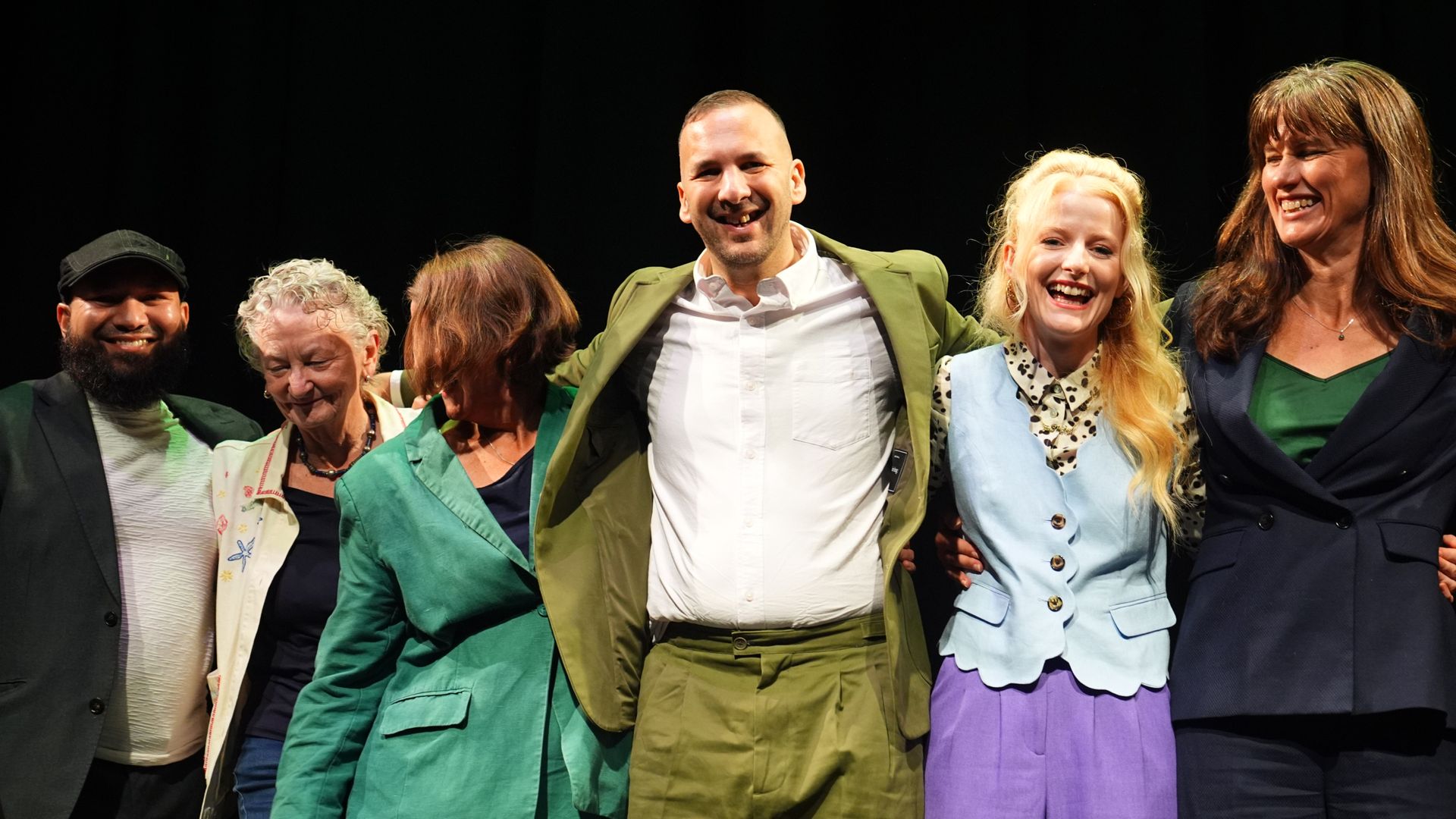
Big theater openings usually mean sleek new digital projections or high-tech LED walls. Los Angeles Opera decided to throw tradition completely out the window. They kicked off their season by dropping a massive, hand-painted curtain measuring a staggering seventy feet across. It’s loud, it’s dramatic, and it proves that old-school craftsmanship still beats digital shortcuts any day of the week.
If you think a painted piece of fabric is just a glorified room divider, you haven't stood in front of one when the auditorium lights drop. Let's talk about why this specific production choice turns heads and what it tells us about where live performance is heading right now. For a more detailed analysis into this area, we suggest: this related article.
The Dying Art of Large Scale Scenic Painting
You don't see work like this very often anymore. Most modern stages rely on computers, automated rigging, and projection mapping because it's cheaper and faster.
Los Angeles Opera took the hard road. Scenic artists spent weeks mixing pigments, climbing scaffolding, and applying brushstrokes meant to be read from the very last row of the Dorothy Chandler Pavilion. That scale demands precision. A single mistake at forty feet in the air means starting over or spending hours correcting perspective. To get more background on this topic, detailed coverage can also be found at Vanity Fair.
When you look at the final product, you aren't just seeing a pretty picture. You are looking at hundreds of hours of physical labor by artisans who know how to mix color so it tricks the human eye under theatrical lighting.
Why Digital Screens Can't Touch This
Screens emit light. Painted canvas absorbs and reflects it. That physical difference changes everything about how a stage feels before an opera even starts.
When a hand-painted drop catches the wash of warm tungsten or sharp LED spotlights, it breathes. It has texture. You can see the weave of the fabric and the slight variations in paint thickness.
Opera audiences want grandeur. They want scale that dwarfs everyday life. A digital projection feels like watching a giant television. A seventy-foot canvas feels like stepping into another world entirely. It sets a serious mood before the orchestra even tunes their instruments.
What Production Teams Get Wrong About Stage Design
Too many modern directors try to modernize classical works by throwing screens everywhere. They think younger audiences need moving images to stay engaged. That strategy usually backfires.
Audiences go to the opera house to escape flat screens. They want physical reality. They want to feel the weight of the production.
The Los Angeles Opera understands this dynamic. By investing in physical, tactile art, they signal respect for the art form's roots while still delivering visual punch. It is bold, unapologetic, and refreshingly analog.
How to Experience L.A. Operas Visuals Properly
If you are heading down to the pavilion this season, do yourself a favor. Don't rush to your seat right as the overture starts.
Get there early. Watch how the house lights hit the curtain. Notice the brushwork near the bottom corners where the perspective shifts. Take a moment to appreciate that human hands created every single square inch of what you are looking at before the machinery whisks it away into the fly loft.
Support companies that keep traditional scenic shops alive. Buy a ticket, sit close enough to see the paint texture, and remember that some things are simply better when humans make them by hand.