The standard media script for a stabbing in London is as predictable as the rain. A suspect is detained. A community is shocked. The police issue a statement about "robust" patrols. Then, the cycle resets until the next blade meets skin. But the recent attack on two Jewish men in North London isn't just another data point in the city’s violent crime statistics. It is a searing indictment of how we’ve outsourced public safety to the fragile, failing gods of identity politics and reactive policing.
While the "lazy consensus" focuses on the immediate horror of the act, it ignores the structural decay of the London streets. We are told this is a tragedy. It isn’t. It’s an inevitability. When you hollow out proactive policing and replace it with a culture of post-incident optics, you don't stop crime; you just curate the aftermath.
The Myth of the Isolated Incident
Every time a specific demographic is targeted, the narrative split happens instantly. One side screams hate crime; the other side whispers about mental health. Both are usually wrong, or at least, both are missing the point. By framing every attack as a unique, isolated manifestation of a specific "ism," we ignore the broader collapse of the social contract in our urban centers.
I’ve spent years analyzing the flow of urban violence. The reality is far grimmer than a single motive. We have created a high-friction environment where radicalization—of all stripes—ferments in the same pot as general lawlessness. When the Metropolitan Police focus on managing "community perceptions" rather than aggressive, preventative intervention, they signal to every predator that the streets are open for business.
The suspect in this case didn't emerge from a vacuum. They emerged from a city that has become increasingly comfortable with public displays of intimidation. If you allow the temperature of the city to rise unchecked, don't act surprised when the boiler eventually explodes.
Why Hate Crime Legislation is a Paper Shield
The public demands more "hate crime" designations as if the label itself carries some mystical protective power. It doesn't. In fact, the obsession with categorizing the intent of a stabbing often slows down the actual pursuit of justice.
- The Intent Trap: Prosecutors spend months trying to prove what was inside a suspect's head, while the physical reality of the violence is relegated to the background.
- The False Security: Assigning a "hate crime" label gives the illusion that the state is "doing something" about the underlying tension. It isn't. It's just filing the paperwork under a different header.
- The Deterrence Delusion: A man willing to plunge a knife into a stranger on a crowded street is not weighing the sentencing guidelines of a racially aggravated offense versus a standard Section 18 assault.
We need to stop pretending that adding a legal suffix to a crime makes the streets safer for Jewish people, or anyone else. Safety comes from the physical presence of authority and the certainty of immediate consequence, not from the linguistic nuances of the charge sheet.
The Failure of "Community Liaison" Policing
The Met’s go-to move after an attack like this is to flood the area with "community liaison officers." It’s a performative gesture designed to soothe, not to secure. I have seen this play out in neighborhoods across the globe. You don't stop a knife-wielding fanatic by handing out pamphlets and holding town hall meetings with local leaders who have no control over the fringe elements of their own boroughs.
True policing is about the projection of order.
When we replaced the "bobby on the beat" with "engagement teams," we surrendered the psychological high ground. Criminals are the ultimate pragmatists. They observe the gaps. They see the police staying in their vans to avoid "unnecessary friction" with the public. They see the hesitation. And they move into that space.
The Statistics Nobody Wants to Talk About
The "People Also Ask" sections of the internet will inevitably focus on whether London is "safe" for specific groups. The honest, brutal answer? No. It’s not safe for anyone who relies on the state for their primary protection.
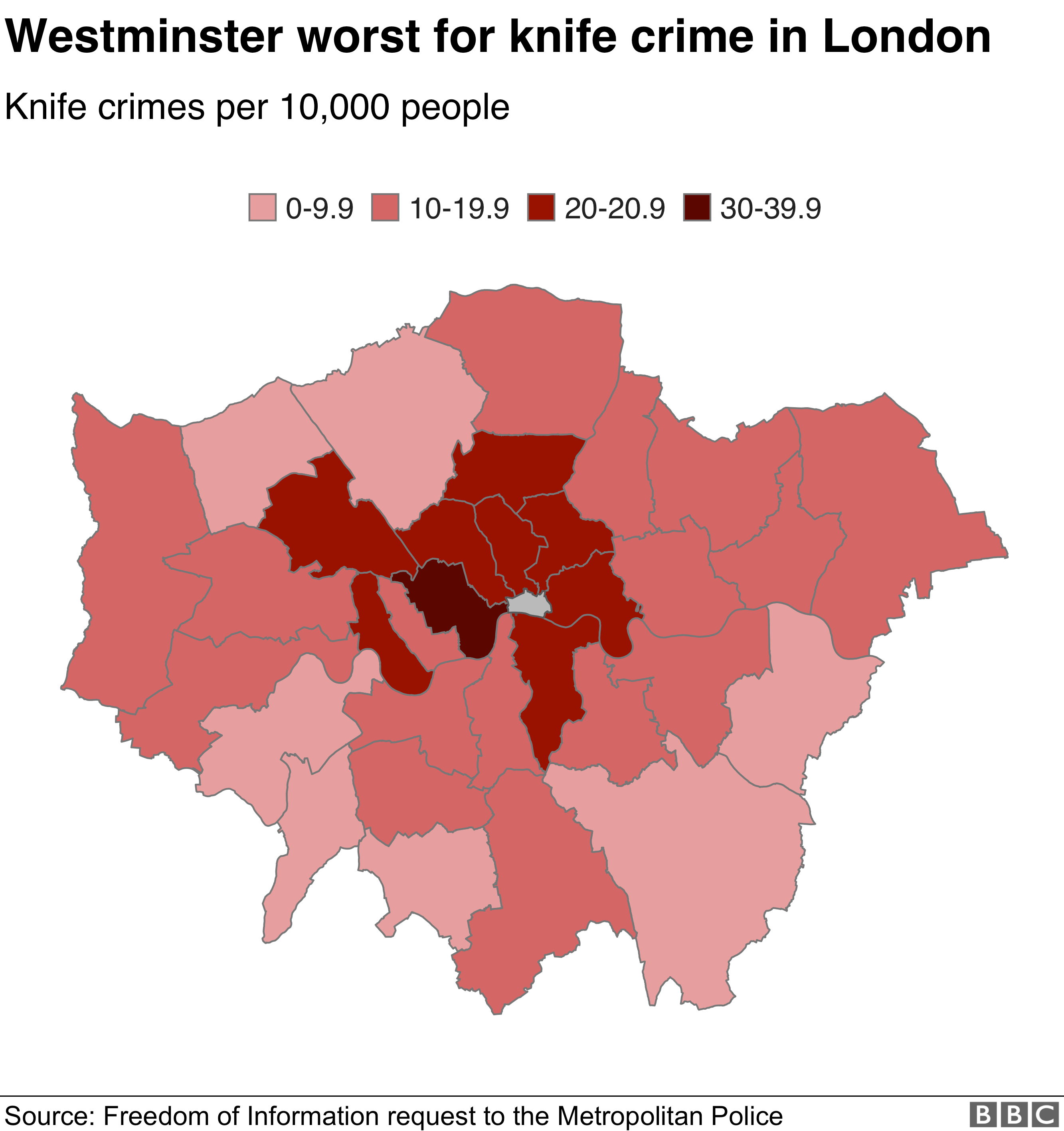
London’s knife crime figures aren't just numbers; they are a map of where the state has retreated. If you look at the data provided by the Office for National Statistics (ONS), the volume of "offenses involving a knife or sharp instrument" has seen a jagged, upward trajectory over the last decade, with minor dips usually attributed to lockdowns rather than effective policy.
The contrarian truth: The more we focus on the identity of the victim, the less we focus on the methodology of the criminal. By prioritizing the narrative of the attack over the mechanics of the crime, we allow the root causes—broken mental health systems, the collapse of stop-and-search, and the erosion of judicial authority—to continue unchecked.
Stop Asking for "Tolerance" and Start Demanding Order
The competitor's article likely ends with a plea for "unity" or "tolerance." This is a hollow sentiment that achieves nothing. You cannot "tolerate" your way out of a stabbing epidemic. Unity is a byproduct of a safe society, not a tool to create one.
If we want to protect the Jewish community—or any community—in London, we have to stop treating these events as PR crises to be managed. We have to treat them as security failures to be corrected. This means:
- Aggressive Stop and Search: Despite the political optics, removing weapons from the street is the only metric that matters.
- Mental Health Incarceration: We have replaced secure wards with "community care," which often means leaving dangerously unstable individuals to wander the high streets until they snap.
- Zero-Tolerance for Intimidation: When groups are allowed to march and scream threats under the guise of "activism," it creates a permission structure for physical violence.
The suspect is in custody, but the environment that produced him remains perfectly intact. We are stuck in a loop of mourning and "increased patrols" that disappear as soon as the news cycle moves on.
The truth is uncomfortable. The truth is that your safety is currently a secondary concern to the political survival of the people in charge. They would rather you be a victim of a "complex social issue" than for them to be accused of being "too heavy-handed" in preventing your injury.
Stop looking for "understanding" from the people who failed to protect these two men. Understanding is a luxury for a city that isn't bleeding. Order is a necessity. Pick one.
The streets don't need a hug; they need a grip.