London exported three million tonnes of subterranean earth to Essex, transforming industrial excavation waste into a thriving ecological sanctuary where bird populations surged past thirty-nine thousand. This massive engineering undertaking solved a major logistics headache for the capital's massive underground transit expansion while inadvertently creating one of the most successful coastal restoration projects in modern British history.
When engineers burrow deep beneath the streets of a crowded metropolis, they pull up millions of tons of clay, silt, and rock. Hauling that much weight away usually means a logistical nightmare of endless truck journeys, choked motorways, and soaring carbon footprints. Instead of treating this material as a disposal nuisance, planners orchestrated a massive barge operation to transport London's subsurface earth down the Thames to the Wallasea Island project in Essex.
The goal was ambitious. Engineers sought to reverse decades of rising sea levels and agricultural land loss by recreating the historic salt marshes that once lined the estuary. By carefully engineering the levels of the imported soil, the project recreated mudflats, salt marshes, and shallow lagoons that mimic natural tidal environments.
The Logistics of Mud
Moving three million tonnes of dirt requires military-grade precision. Every single truckload extracted from the Crossrail tunneling works was cataloged, loaded onto freight trains, and transferred to ships bound for the Essex coast.
Critics initially questioned the environmental cost of the transport operation. Burning marine fuel to ship mud across counties sounds counterproductive on paper. However, the alternative of moving millions of cubic meters by road would have crippled regional traffic and pumped staggering amounts of diesel emissions directly into the atmosphere. The marine route proved to be the most efficient method for moving bulk earth at scale.
Once the material arrived at Wallasea Island, heavy machinery shaped the landscape according to strict ecological blueprints. Dikes were breached to allow the North Sea to flow back into land that had been farmed for centuries. The imported London clay formed the impermeable core of the new sea defenses, protecting the newly formed wetland habitats from catastrophic erosion during severe storms.
A Refuge for Migratory Wildlife
Nature wasted no time moving in. Within a few short years of the tidal breaches, migratory birds arrived by the tens of thousands.
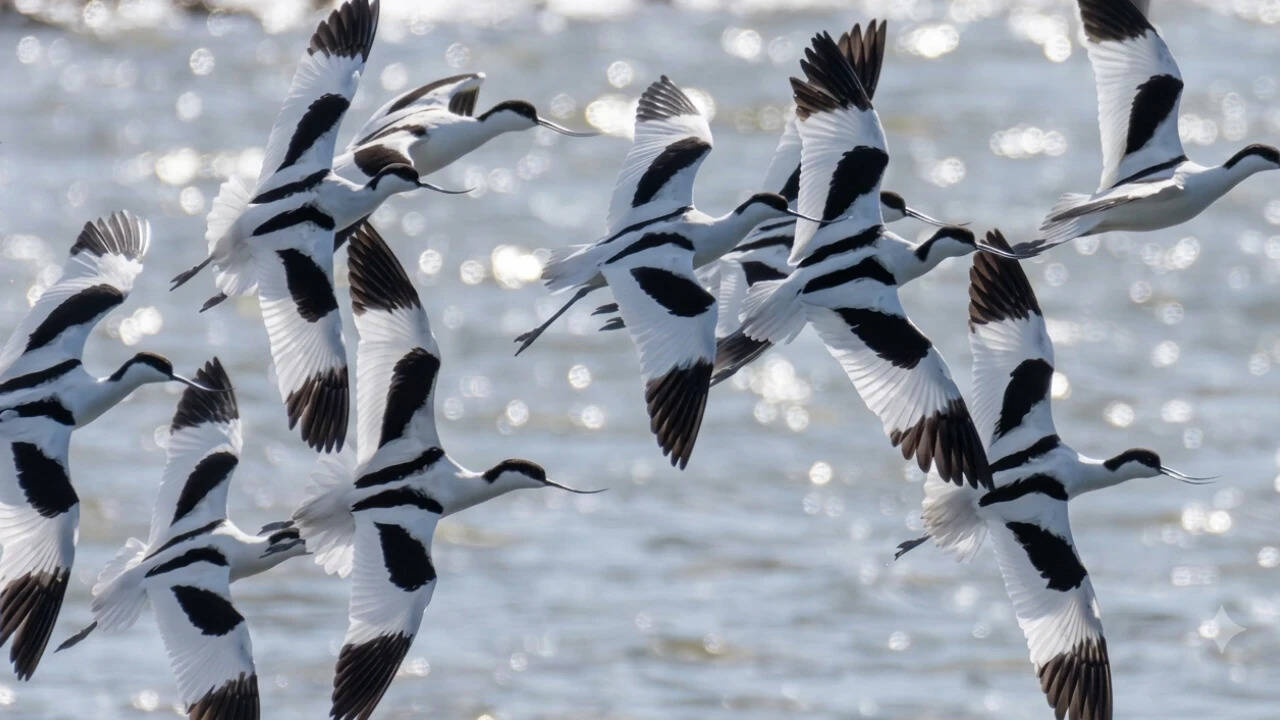
The muddy expanses provided an ideal feeding ground for wading species that rely on rich invertebrate populations. Oystercatchers, avocets, and redshanks established breeding grounds across the newly flooded mudflats. The local count skyrocketed to over thirty-nine thousand birds, turning a quiet stretch of farmland into an international hotspot for ornithologists and conservationists.
This success proves that massive civil engineering projects can coexist with ecological restoration. Too often, urban growth is viewed as an existential threat to natural habitats. The Wallasea transformation flips that script entirely, demonstrating that the waste product of urban expansion can literally lay the groundwork for new ecosystems.
The project also serves as a blueprint for coastal communities facing the harsh realities of climate change. Traditional concrete sea walls are expensive to maintain and often fail against rising tides. Restoring natural salt marshes absorbs wave energy naturally, protecting inland infrastructure while expanding biodiversity.
As cities continue to expand underground, the volume of excavated earth will only increase. The lesson from the Thames estuary is clear. Stop burying the problem and start building better coastlines.